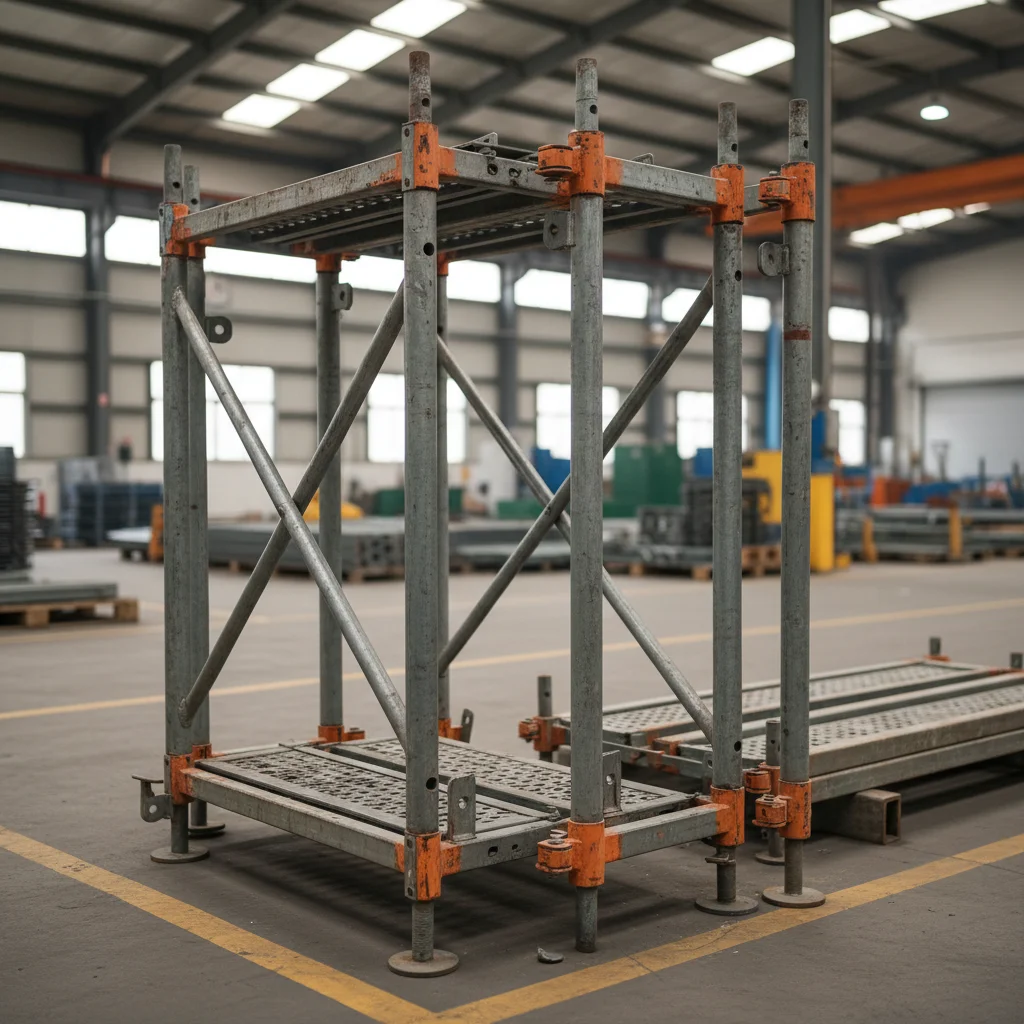
wholesale steel prop
Exploring the Vital Role of a Modern Steel Pipe Factory in Global Infrastructure

Exploring the Vital Role of a Modern Steel Pipe Factory in Global Infrastructure

0%

Table of Contents

Steel pipe factories are fundamental to modern infrastructure, serving as the backbone for countless industries worldwide. These facilities transform raw materials into vital components used in construction, energy, transportation, and manufacturing. The efficiency and quality of a steel pipe factory directly impact the reliability and longevity of projects relying on its products, making them crucial elements in global economic development. Understanding the complexities of these factories, from production processes to material science, is paramount for professionals and stakeholders alike.

The global demand for steel pipes continues to grow, driven by urbanization, infrastructure development in emerging economies, and the ongoing need for energy transportation. According to the World Steel Association, global steel production exceeded 1.8 billion tonnes in 2022, with a significant portion dedicated to pipe manufacturing. However, this growth is accompanied by challenges, including environmental concerns related to carbon emissions, the need for sustainable practices, and ensuring consistent quality standards across diverse manufacturing locations.

A robust steel pipe factory is more than just a production facility; it's a critical link in the supply chain, enabling progress and facilitating essential services. The importance of these factories extends beyond economic considerations, impacting public safety, environmental responsibility, and the overall quality of life for communities around the globe. Investing in advanced technologies, skilled labor, and sustainable practices within the steel pipe industry is therefore vital for continued progress and a more resilient future.
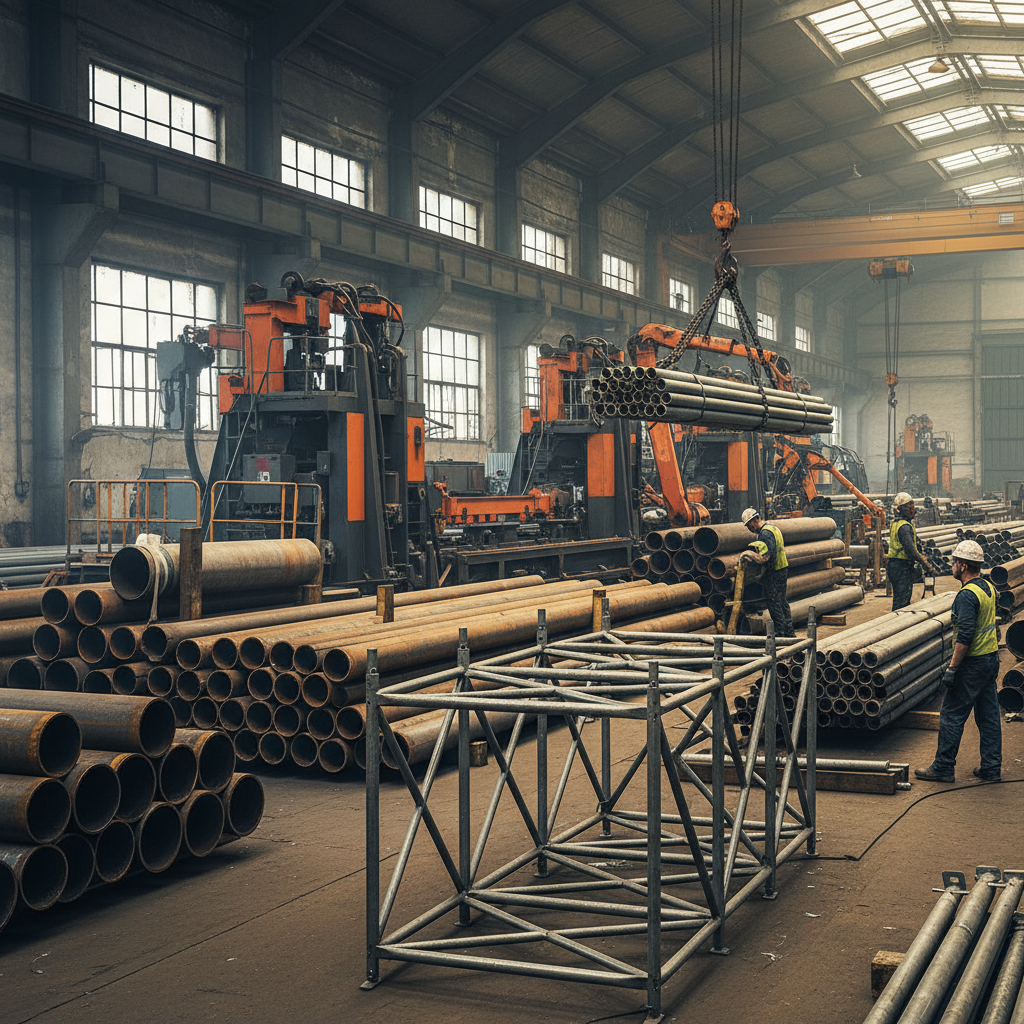
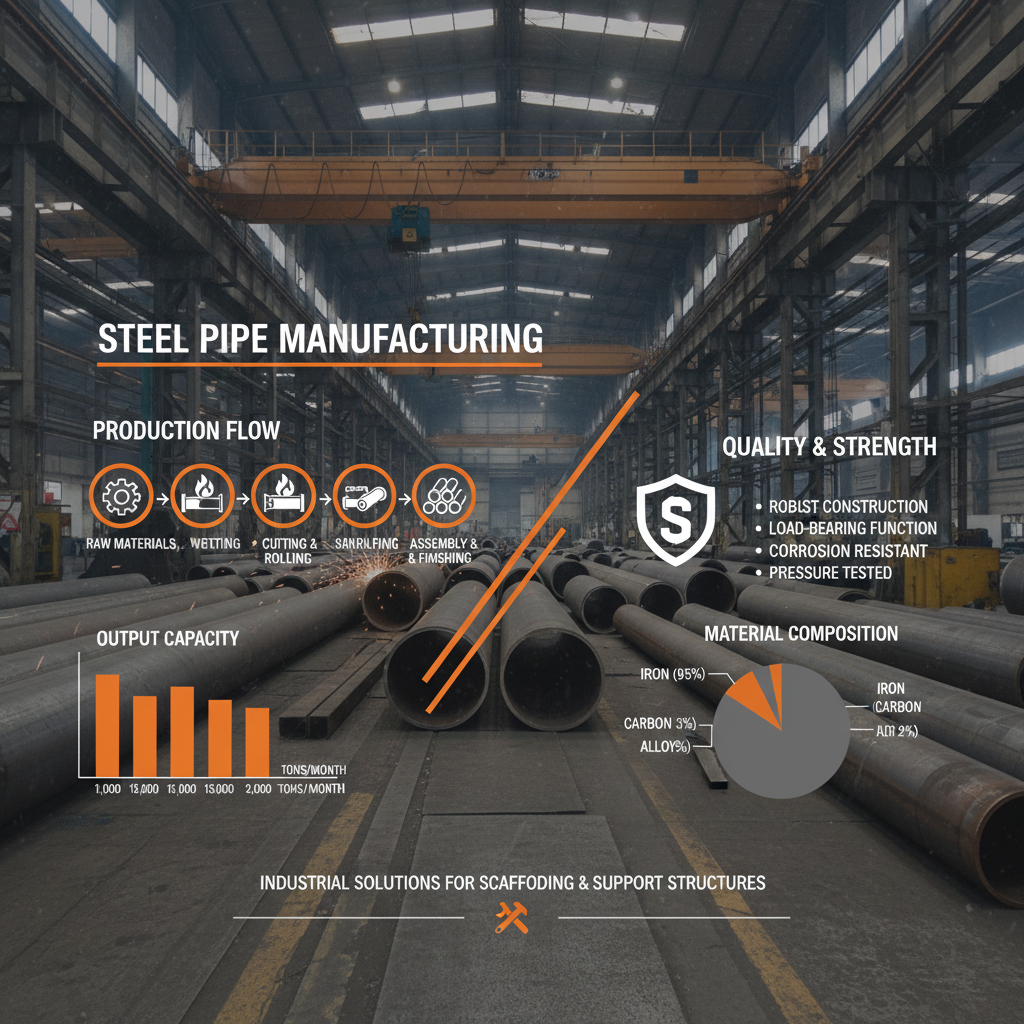
steel pipe Factory

The Importance of Steel Pipe Factories

steel pipe Factory

Steel pipe factories are not simply production sites; they are centers of innovation and engineering precision. They provide the foundational materials for a vast array of critical infrastructure projects, ranging from oil and gas pipelines that transport vital energy resources to water supply systems delivering clean water to communities. The ability of a steel pipe factory to consistently produce high-quality, durable pipes is directly linked to the success and longevity of these projects.

Furthermore, the role of these factories extends to supporting industries like construction, automotive, and agriculture. Steel pipes are integral components in building structures, vehicle manufacturing, and irrigation systems, demonstrating their versatility and widespread applicability. A modern steel pipe factory often integrates advanced technologies, such as automated welding and non-destructive testing, to ensure the highest standards of quality and safety.

Defining a Steel Pipe Factory

A steel pipe factory is a manufacturing facility dedicated to the production of hollow cylindrical steel sections, known as pipes. These pipes are created through a variety of processes, including seamless extrusion, welding, and rolling, depending on the desired dimensions, material composition, and intended application. The process begins with raw steel materials, typically in the form of billets, blooms, or slabs, which are then transformed into finished pipes through a series of sophisticated manufacturing steps.

The connection to modern industry is undeniable. Steel pipes are indispensable for transporting fluids and gases, providing structural support, and serving as conduits for electrical wiring. From the complex network of pipelines that deliver oil and natural gas across continents to the simple plumbing systems in our homes, steel pipes are a ubiquitous element of modern life. They are essential for the functioning of numerous industries and contribute significantly to the overall quality of life.

More than just a production line, a steel pipe factory represents a complex interplay of metallurgy, engineering, and quality control. It requires a skilled workforce, advanced equipment, and rigorous adherence to industry standards to consistently deliver products that meet the demanding requirements of diverse applications.

Core Components of Steel Pipe Manufacturing

The manufacturing of steel pipes relies on several key components working in harmony. The initial stage involves steelmaking, where raw materials are transformed into steel using processes like the Basic Oxygen Furnace (BOF) or Electric Arc Furnace (EAF). This molten steel is then cast into shapes suitable for pipe production. Following this, forming processes like seamless extrusion or welding are employed to create the hollow cylindrical structure.

Quality control is a critical component throughout the entire process. Non-destructive testing (NDT) methods, such as ultrasonic testing, radiographic testing, and eddy current testing, are used to detect any flaws or defects in the pipe material. Heat treatment is also crucial, as it influences the mechanical properties of the steel, enhancing its strength, ductility, and corrosion resistance. Finally, finishing processes like coating and threading prepare the pipes for their intended use.

Efficient supply chain management is another vital component. Sourcing high-quality raw materials, managing inventory, and coordinating logistics are all essential for ensuring timely production and delivery. Modern steel pipe factories often utilize advanced Enterprise Resource Planning (ERP) systems to optimize these processes and minimize costs.

Key Factors Influencing Steel Pipe Quality

Several key factors influence the quality of steel pipes produced by a factory. Material composition is paramount, with specific grades of steel selected based on the intended application and required performance characteristics. The precision of the manufacturing process, particularly welding techniques and forming methods, directly impacts the structural integrity of the pipe.

Environmental controls within the factory also play a crucial role. Maintaining optimal temperature and humidity levels prevents corrosion and ensures consistent material properties. Stringent quality control measures, including regular inspections and testing, are essential for identifying and addressing any defects or deviations from specifications.

Quality Control Metrics in Steel Pipe Factory

Global Applications of Steel Pipes

The applications of steel pipes are incredibly diverse, spanning across numerous industries and geographical regions. In the oil and gas sector, they are the primary means of transporting crude oil, natural gas, and refined products over vast distances. Water distribution systems worldwide rely heavily on steel pipes for delivering potable water to homes and businesses.

Construction utilizes steel pipes for structural support in buildings, bridges, and other infrastructure projects. The automotive industry employs them in exhaust systems and chassis components. Furthermore, agricultural applications include irrigation systems and drainage pipes. From remote industrial zones in Siberia to densely populated urban centers in Asia, steel pipes are a vital component of modern civilization.

Advantages and Long-Term Value

The advantages of utilizing high-quality steel pipes are substantial. Their inherent strength and durability ensure a long service life, reducing the need for frequent replacements and minimizing maintenance costs. Steel pipes are also highly resistant to corrosion, particularly when protected with appropriate coatings, enhancing their reliability in harsh environments.

Beyond the tangible benefits of cost savings and reliability, steel pipes contribute to sustainability. Their long lifespan reduces the environmental impact associated with manufacturing and disposal. Investing in robust steel pipe infrastructure enhances public safety and supports economic growth, building trust and fostering innovation within communities.

Future Trends in Steel Pipe Factories

The future of steel pipe factories is being shaped by several emerging trends. Automation and robotics are increasingly being integrated into manufacturing processes, enhancing efficiency, reducing labor costs, and improving product quality. The development of new steel alloys with enhanced corrosion resistance and strength is also a key focus.

Sustainability is becoming a central concern, with factories adopting greener technologies to reduce carbon emissions and minimize waste. Digitalization, including the use of data analytics and artificial intelligence, is enabling predictive maintenance, optimized production schedules, and improved supply chain management. The integration of smart sensors and IoT devices allows for real-time monitoring of pipe performance, extending their lifespan and reducing the risk of failures.

Furthermore, the industry is exploring alternative manufacturing techniques, such as additive manufacturing (3D printing) for producing specialized pipe components and customized solutions. These innovations promise to revolutionize the steel pipe industry, making it more efficient, sustainable, and responsive to evolving market demands.

Summary of Future Trends and Their Impact on Steel Pipe Factories

Trend Impact on Efficiency Impact on Sustainability Implementation Cost
Automation & Robotics High (20-30% increase) Medium (Reduced waste) High
New Steel Alloys Medium (Improved processing) High (Extended lifespan) Medium
Green Technologies Low (Indirect benefits) Very High (Reduced emissions) High
Digitalization & AI High (Predictive Maintenance) Medium (Optimized resource usage) Medium
Smart Sensors & IoT Medium (Real-time monitoring) Medium (Reduced failures) Low-Medium
Additive Manufacturing Medium (Customization) Low-Medium (Reduced material waste) High

FAQS

What are the primary steel grades used in steel pipe factories?

Steel pipe factories commonly utilize carbon steel, alloy steel, and stainless steel grades. Carbon steel is known for its cost-effectiveness and strength, while alloy steel offers enhanced properties like corrosion resistance and high-temperature performance. Stainless steel provides exceptional corrosion resistance but is generally more expensive. The specific grade selected depends on the intended application and required performance characteristics. Factors like pressure requirements, operating temperature, and corrosive environments all influence this decision.

How do steel pipe factories ensure quality control throughout the manufacturing process?

Quality control is paramount in steel pipe factories. It starts with rigorous raw material inspection and continues through every stage of production. Non-destructive testing (NDT) methods such as ultrasonic testing, radiographic testing, and eddy current testing are employed to detect flaws. Dimensional accuracy is verified through precise measurements. Hydrostatic testing assesses the pipe's ability to withstand pressure. Finally, coating inspection ensures adequate protection against corrosion. Documenting each test and maintaining traceability are critical components of the quality assurance process.

What are the common welding techniques used in steel pipe manufacturing?

Several welding techniques are widely used in steel pipe factories, including submerged arc welding (SAW), electric resistance welding (ERW), and laser welding. SAW is popular for producing large-diameter pipes with high strength and quality. ERW is cost-effective for smaller diameter pipes and offers high production rates. Laser welding provides high precision and minimal distortion, making it ideal for specialized applications. The choice of welding technique depends on factors like pipe diameter, material thickness, and required weld quality.

How do environmental regulations impact steel pipe factory operations?

Environmental regulations significantly impact steel pipe factory operations. Factories must comply with regulations regarding air emissions, water discharge, and waste management. This often involves investing in pollution control technologies, such as scrubbers and wastewater treatment plants. Regulations also encourage the use of recycled materials and energy-efficient processes. Many factories are now actively pursuing sustainability initiatives to minimize their environmental footprint and demonstrate corporate social responsibility.

What is the role of coatings in enhancing the lifespan of steel pipes?

Coatings play a crucial role in protecting steel pipes from corrosion and extending their lifespan. Common coatings include epoxy coatings, polyurethane coatings, and polyethylene coatings. These coatings create a barrier between the steel and the surrounding environment, preventing the ingress of moisture and corrosive substances. The selection of the appropriate coating depends on the specific environment the pipe will be exposed to, including factors like soil composition, water salinity, and exposure to chemicals. Regular inspection and maintenance of coatings are essential to ensure long-term protection.

What are the key considerations when selecting a steel pipe factory as a supplier?

When selecting a steel pipe factory, several key considerations are crucial. Certifications such as ISO 9001 demonstrate a commitment to quality management systems. The factory’s production capacity and ability to meet your specific requirements are also important. Review their quality control procedures and ensure they employ rigorous testing methods. Consider their lead times and logistics capabilities. Finally, assess their reputation and track record within the industry. A reliable and reputable supplier is essential for ensuring the success of your project.

Conclusion

In summary, steel pipe factories are indispensable to modern infrastructure and global economies, transforming raw materials into essential components for a vast range of applications. The quality, durability, and sustainability of these factories directly impact the reliability of countless projects, from energy transportation to water distribution. Understanding the core components of steel pipe manufacturing, the key factors influencing quality, and the emerging trends shaping the industry is paramount for professionals and stakeholders alike.

Looking ahead, the continued investment in automation, sustainable practices, and digital technologies will be crucial for ensuring the long-term viability and resilience of the steel pipe industry. By embracing innovation and prioritizing quality, steel pipe factories can continue to play a vital role in building a more sustainable and connected future. For more information and to explore our capabilities, visit our website: www.sheenmetalscaffold.com.
Charles Wilson

Charles Wilson

Charles Wilson is a Senior R&D Engineer at Cangzhou Sheen Metal Products, dedicated to the continuous improvement and innovation of the company’s scaffolding systems. He holds multiple national patents and specializes in the design and testing of new product features that enhance safety, durability, and efficiency. Charles works closely with
Previous Expert Formwork Steel Prop Factory Solutions for Modern Construction
Next Revolutionizing Infrastructure with Post Shore Factory Modular Construction Solutions

If you are interested in our products, you can choose to leave your information here, and we will be in touch with you shortly.