High Performance Formwork Spring Clamps scaffolding tripod Factory
Achieving precise stabilization in concrete casting requires more than just basic supports; it demands high-performance fastening systems that can withstand immense lateral pressure. Formwork Spring Clamps are engineered specifically for this purpose, providing a secure, tool-free solution for stabilizing panels during the critical pouring phase. By leveraging a specialized spring-loaded mechanism, these clamps eliminate the inefficiencies of traditional bolted systems, significantly reducing installation time and labor overhead on complex construction sites.
For project managers seeking a reliable scaffolding tripod Factory source, the priority is often the balance between clamping force and durability. These high-strength spring steel clamps are compatible with timber, plywood, and hollow PP formwork, ensuring that walls, slabs, and columns maintain their structural integrity. Whether you are managing a municipal infrastructure project or a high-rise development, implementing precision-engineered clamping solutions is essential for achieving a smooth surface finish and preventing panel shifting under high concrete pressure.

Engineering the Mechanics of High-Pressure Formwork Stabilization
The core value of Formwork Spring Clamps lies in their ability to provide consistent, uniform pressure across the edges of formwork panels. Unlike traditional fasteners that may loosen or require manual tightening, the spring-loaded design ensures that the clamping force remains constant even as the concrete settles and exerts pressure against the mold. This mechanical consistency is vital for preventing "bowing" or misalignment, which can lead to costly structural rework and wasted materials.
Manufactured from reinforced high-strength spring steel, these components are designed to resist permanent deformation. In the demanding environment of a construction site, materials are exposed to moisture, alkaline concrete residues, and physical impact. To counter this, the clamps undergo advanced surface treatments—including galvanization, powder coating, or specialized painting—to prevent corrosion and extend the operational lifecycle of the equipment.
- Rapid Cycle Times: Tool-free attachment allows workers to secure panels in seconds, accelerating the overall assembly and stripping cycle.
- Material Versatility: Seamlessly integrates with various panel thicknesses, making them ideal for hybrid formwork systems.
- Structural Stability: High lateral and vertical load capacity ensures that panels stay locked regardless of the pouring speed.

Practical Applications Across Modern Engineering Projects
Versatility is a hallmark of professional casting accessories. Formwork Spring Clamps are deployed across a wide array of structural elements, from vertical columns and complex wall forms to expansive floor slabs and beams. Their ability to grip multiple materials—including timber and hollow PP panels—makes them an indispensable tool for contractors who switch between different formwork types within a single project phase.
In tunnel engineering and deep excavation projects, where pressure dynamics can be unpredictable, the secure grip of a spring-lock mechanism provides an added layer of safety. By keeping panels firmly locked, the risk of sudden blowouts or shifts is minimized, creating a safer working environment for site personnel. This is particularly important when utilizing a scaffolding tripod Factory based support logic for specialized overhead casting where stability is non-negotiable.
Furthermore, the lightweight design of these clamps optimizes logistics. Reduced weight per unit allows for easier transport and handling, while compact packaging reduces the overall shipping footprint, lowering the indirect costs associated with equipment mobilization and demobilization.
Evaluating Performance: Spring Clamps vs. Traditional Bolting
When deciding between fastening methods, procurement managers must look beyond the initial unit price and consider the Total Cost of Ownership (TCO). Traditional bolted clamps often require significant man-hours for installation and removal, and they are prone to bolt loss or thread stripping over time. In contrast, the spring-clamp solution focuses on operational efficiency and reusability.
The primary advantage is the dramatic reduction in labor costs. Because no specialized tools are required for attachment, a smaller team can achieve the same installation rate as a much larger crew using traditional methods. This efficiency gain is compounded over the life of a project, as the rapid detachment process speeds up the formwork stripping phase, allowing the next pour to begin sooner.
From a quality perspective, spring clamps provide superior alignment precision. The uniform tension applied by the spring mechanism ensures that panel joints are tight and consistent, which directly translates to a higher quality concrete finish and a reduction in the need for post-pour grinding or patching.
Comparison of Formwork Fastening Efficiency Metrics
| Performance Metric | Traditional Bolted Clamps | Spring Clamps Solution | Project Impact |
|---|---|---|---|
| Installation Speed | Slow (Requires Tools) | Ultra-Fast (Tool-Free) | Reduced Labor Hours |
| Labor Cost | High Man-Hours | Low (Small Team Efficient) | Lower Overhead |
| Reusability | Moderate Wear | High (Spring-Steel Durable) | Reduced Replacement Cost |
| Surface Quality | Potential Misalignment | High Precision Alignment | Lower Finishing Costs |
| Safety Risk | Loose Bolt Risks | Secure Spring-Lock Grip | Enhanced Site Safety |
Manufacturing Excellence and Quality Assurance Standards
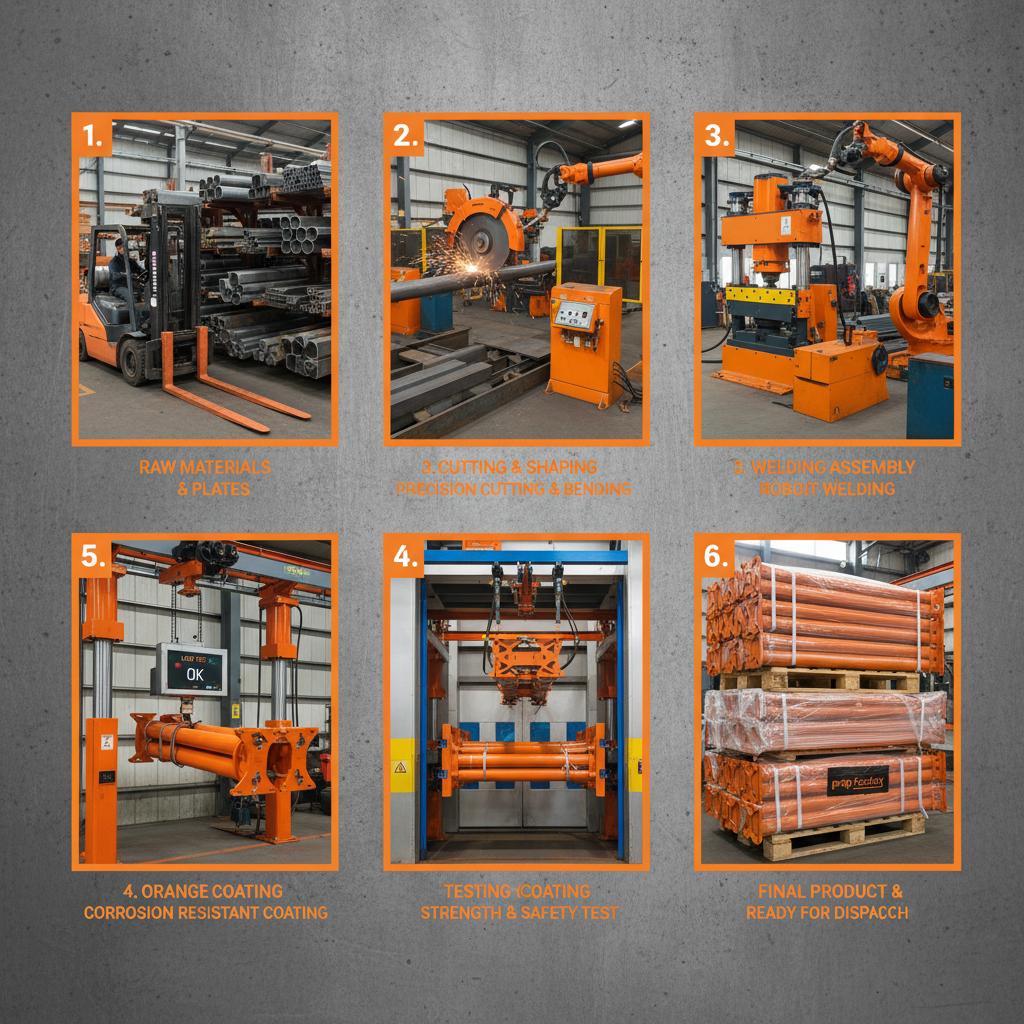
Quality in architectural support systems begins with raw material selection. High-strength spring steel is utilized to ensure that the clamps maintain their tension over hundreds of cycles. The manufacturing process involves precision heat treatment to achieve the optimal balance between hardness and flexibility, preventing the steel from becoming brittle while ensuring it doesn't lose its "spring" under load.
At Cangzhou Sheen Metal Products, quality is integrated into every stage of production. Utilizing automated production lines and ERP-based management, the company ensures that every batch of clamps meets strict dimensional tolerances and strength requirements. Adherence to ISO 9001 and ISO 14001 standards guarantees that the products are not only reliable but produced through environmentally sustainable practices.
Rigorous testing is performed to verify load capacity and corrosion resistance. This includes checking for jaw deformation under maximum clamping range (10–50 mm) and ensuring that the anti-rust coatings can withstand harsh outdoor environments. Such commitment to compliance with CE and SGS standards makes these components suitable for global export to over 50 countries.
Procurement Strategies for Large-Scale Casting Projects
Selecting the right supplier for formwork accessories requires a focus on technical support and customization capabilities. Since every project has unique panel thicknesses and pressure requirements, the ability to source clamps with specific clamping ranges and surface treatments is critical. A supplier that offers direct coordination for custom sizes can prevent delays caused by incompatible hardware.
Buyers should evaluate suppliers based on their ability to provide end-to-end services, including technical consulting and logistical support. For large-scale engineering firms, the reliability of the supply chain is as important as the quality of the product. Ensuring that the manufacturer has the capacity for rapid responsiveness and consistent batch quality is the best way to mitigate project risks.
Looking ahead, the industry is moving toward modularity and sustainability. Reusable, durable fastening solutions like spring clamps align with the goal of reducing construction waste. By investing in high-grade, long-lasting equipment, firms can lower their environmental footprint while increasing their operational profitability through enhanced efficiency and reduced material turnover.
Frequently Asked Questions on Formwork Spring Clamps
What materials are the formwork spring clamps compatible with?
Our spring clamps are highly versatile and compatible with timber, plywood, and hollow PP formwork panels of varying thicknesses.
How do spring clamps improve construction site safety?
They provide a secure and consistent grip on panel edges, preventing shifting or collapse during concrete pouring, which significantly reduces on-site accidents.
Are these clamps resistant to rust and corrosion?
Yes, they are treated with galvanization, powder coating, or paint to ensure long-term corrosion resistance in outdoor and moist environments.
What is the primary benefit of the spring-loaded mechanism?
The primary benefit is speed; it allows for rapid attachment and removal without additional tools, drastically reducing labor time.
Can these clamps handle high concrete pressure?
Absolutely. They are manufactured from high-strength spring steel specifically designed to withstand significant lateral and vertical pressures.
How should formwork spring clamps be maintained?
Regularly clean residues, inspect the spring tension, and check the jaws for any deformation or rust to ensure optimal performance.
Technical References and Industry Standards
- ISO 9001 Quality Management Systems Standards
- SGS Global Compliance and Testing Services
- American Concrete Institute (ACI) Formwork Guidelines
- European Union CE Marking Requirements
Ready to optimize your formwork efficiency and reduce on-site labor costs? Contact our technical team today for customized fastening solutions and project-specific support.
Related Articles