
June 25, 2026
Finding a Reliable Concrete Formwork Factory for Modern Construction
In the realm of structural engineering, the quality of the mold determines the integrity of the build. Partnering with a professional concrete formwork Factory is essential for contractors who aim to achieve precision, durability, and safety in their projects. Whether it is high-rise residential buildings or industrial infrastructure, the right formwork system reduces labor costs and accelerates project timelines. This guide explores the critical aspects of selecting a manufacturing partner and the technical advantages of high-grade metal formwork systems used in today's fast-paced construction environment.

The Role of a Specialized Concrete Formwork Factory in Project Success
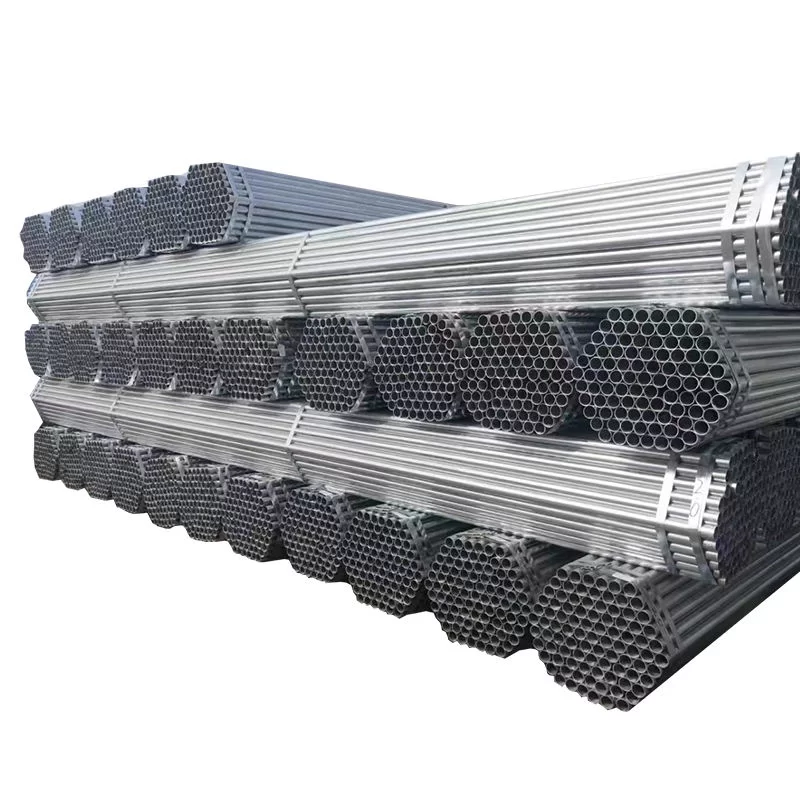
A dedicated concrete formwork Factory does more than just bend metal; they provide engineered solutions. By utilizing advanced galvanized steel and aluminum alloys, these factories ensure that the formwork can withstand the immense pressure of wet concrete without bulging or failing. Precision engineering allows for tight tolerances, which means fewer corrections are needed after the forms are stripped, significantly improving the overall finish of the concrete surface. Furthermore, professional factories implement rigorous quality control to ensure every panel is perfectly square and every locking mechanism is secure.
Core Advantage: High-grade metal formwork from a certified factory offers superior reusability compared to traditional timber, reducing waste and long-term material procurement costs for large-scale developments.
Technical Specifications from a Leading Concrete Formwork Factory
When evaluating the output of a concrete formwork Factory, it is important to look at the technical parameters. The balance between weight and strength is key; lighter panels increase mobility on site, while high load capacity ensures safety. Below is a specification table representing the industry standards for professional steel formwork systems designed for maximum efficiency.
Comparing Traditional vs. Factory-Produced Metal Formwork
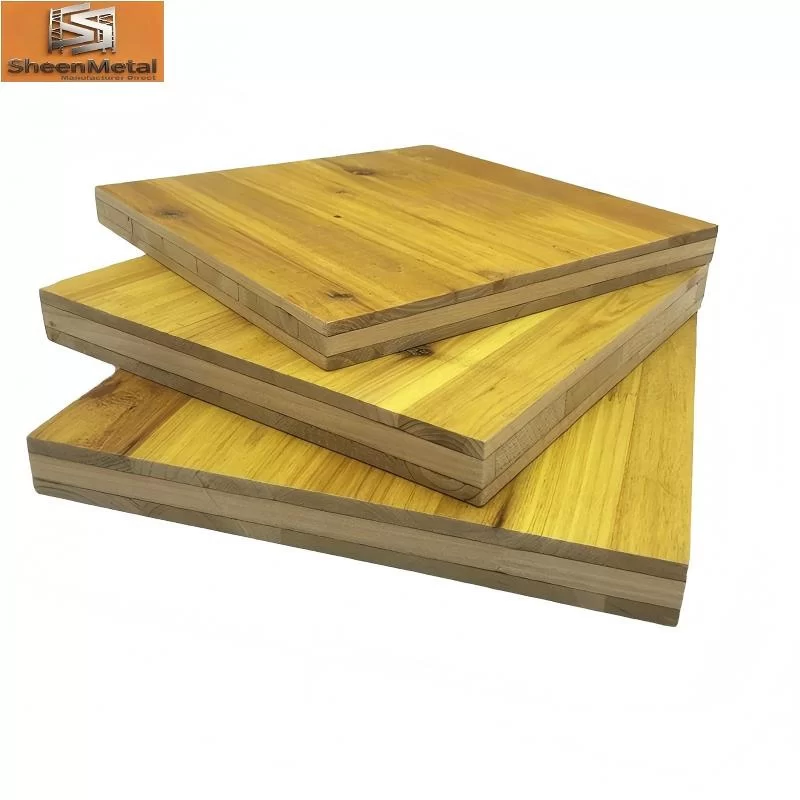
Many contractors are transitioning from traditional timber shuttering to systems sourced from a professional concrete formwork Factory. The primary drivers for this shift are consistency and speed. While timber is cheap initially, it warps and requires constant replacement. In contrast, metal formwork provides a smooth, architectural finish that eliminates the need for extensive plastering. This transition not only saves time but also aligns with modern green building standards by drastically reducing onsite wood waste.
Key Efficiency Gains:
• Reduction in onsite labor for assembly by up to 40%
• Elimination of repetitive material purchasing
• Higher structural accuracy and verticality
• Faster stripping and cycling of forms
Customization Options at a Concrete Formwork Factory
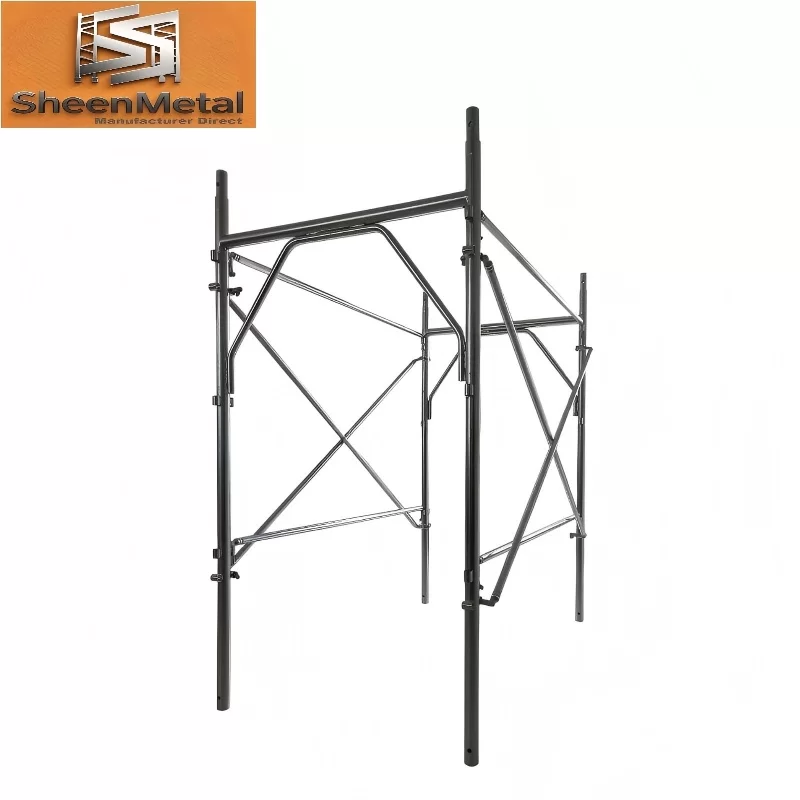
Every architectural design has unique requirements. A top-tier concrete formwork Factory offers customizable dimensions and configurations to suit specific project needs. From circular columns to complex geometric wall sections, modular systems can be tailored. Customization ensures that the formwork fits the blueprint exactly, reducing the risk of "honeycombing" or structural voids in the poured concrete. This level of detail is what separates a basic supplier from a strategic engineering partner.

Safety Standards and Compliance in Formwork Production
Safety is the most critical factor when working at height or with heavy pours. A reputable concrete formwork Factory adheres to international safety standards (such as ISO or EN certifications). This ensures that the load-bearing capacity is accurately rated and that the locking mechanisms will not fail under hydraulic pressure. Reinforced frames and anti-corrosive coatings prevent structural degradation over time, ensuring that workers are protected from potential formwork blowouts, which can be catastrophic on a construction site.
Logistics and Supply Chain Management for Construction Sites
The ability of a concrete formwork Factory to manage logistics can make or break a project schedule. Efficient packaging and shipping ensure that components arrive onsite in perfect condition and in the correct order of assembly. Many leading factories now offer "Just-In-Time" delivery, reducing the need for massive onsite storage and minimizing the risk of material damage. By integrating production with precise shipping schedules, contractors can maintain a seamless workflow from the first pour to the final strip.
Conclusion: Optimizing Your Build with Professional Formwork
Choosing the right concrete formwork Factory is an investment in the quality, safety, and efficiency of your construction project. By moving toward high-grade, reusable metal systems, companies can achieve superior finishes and significant cost savings over the life of a project. From technical precision to rigorous safety compliance, the right manufacturing partner provides the foundation upon which great structures are built. Prioritize quality and durability to ensure your project stands the test of time.
Frequently Asked Questions (FAQs)
How do I choose the right concrete formwork Factory for my project?
When selecting a factory, you should evaluate three main criteria: material quality, certification, and customization capability. Ensure the factory uses high-grade galvanized steel to prevent rust and check for ISO or relevant regional safety certifications. A reputable factory will be able to provide technical drawings and load-bearing calculations to prove their systems can handle your specific concrete volume and pressure. Additionally, ask about their lead times and shipping reliability to ensure your project timeline remains intact.
What are the benefits of metal formwork over timber?
Metal formwork offers significantly higher reusability, often lasting hundreds of pours compared to a few uses for timber. This leads to a lower total cost of ownership. Furthermore, metal provides a much smoother surface finish, reducing the need for expensive skimming or plastering. From a safety perspective, factory-produced metal systems are more predictable and stable, reducing the risk of structural failure during the curing process. They also support a more sustainable construction site by minimizing wood waste.
Can a concrete formwork Factory provide custom sizes for non-standard walls?
Yes, a professional factory specializes in modular and custom designs. By providing the architectural blueprints, the factory can engineer specific panel sizes and accessories to fit non-standard dimensions, curved walls, or intricate columns. This customization is typically achieved through CNC cutting and precision welding, ensuring that the custom pieces integrate perfectly with the standard modular components of the system. This ensures a seamless fit and maintains the structural integrity of the entire formwork assembly.
How should metal formwork be maintained to ensure longevity?
To maximize the lifespan of equipment from a concrete formwork Factory, regular cleaning after every strip is essential. Removing concrete residue prevents pitting and corrosion. Applying a high-quality release agent before pouring prevents the concrete from bonding to the steel, which protects the surface finish and makes stripping easier. Periodic inspection of locking pins and welds is also recommended to ensure safety and structural performance over hundreds of cycles.