
Selecting a reliable scaffold Factory is a critical decision for any large-scale construction project. The structural integrity of a building's support system directly impacts on-site safety and project timelines. This guide examines the technical requirements and manufacturing capabilities necessary to produce professional-grade steel support systems that meet global engineering demands.
In the B2B construction sector, the focus has shifted from simple material procurement to seeking comprehensive architectural support solutions. Modern projects require materials that can withstand immense vertical and horizontal loads while remaining easy to deploy and dismantle. Understanding the interplay between steel grades, surface treatments, and international certifications allows procurement officers to mitigate risk and ensure structural stability.
Readers will explore the essential criteria for evaluating manufacturing quality, from the precision of welded pipes to the efficacy of hot-dip galvanization. By analyzing technical specifications and compliance standards such as EN 39 and BS 1139, this article provides a roadmap for selecting a partner capable of delivering durable, high-precision components for diverse global infrastructure needs.
Industrial Scaffolding Production Standards
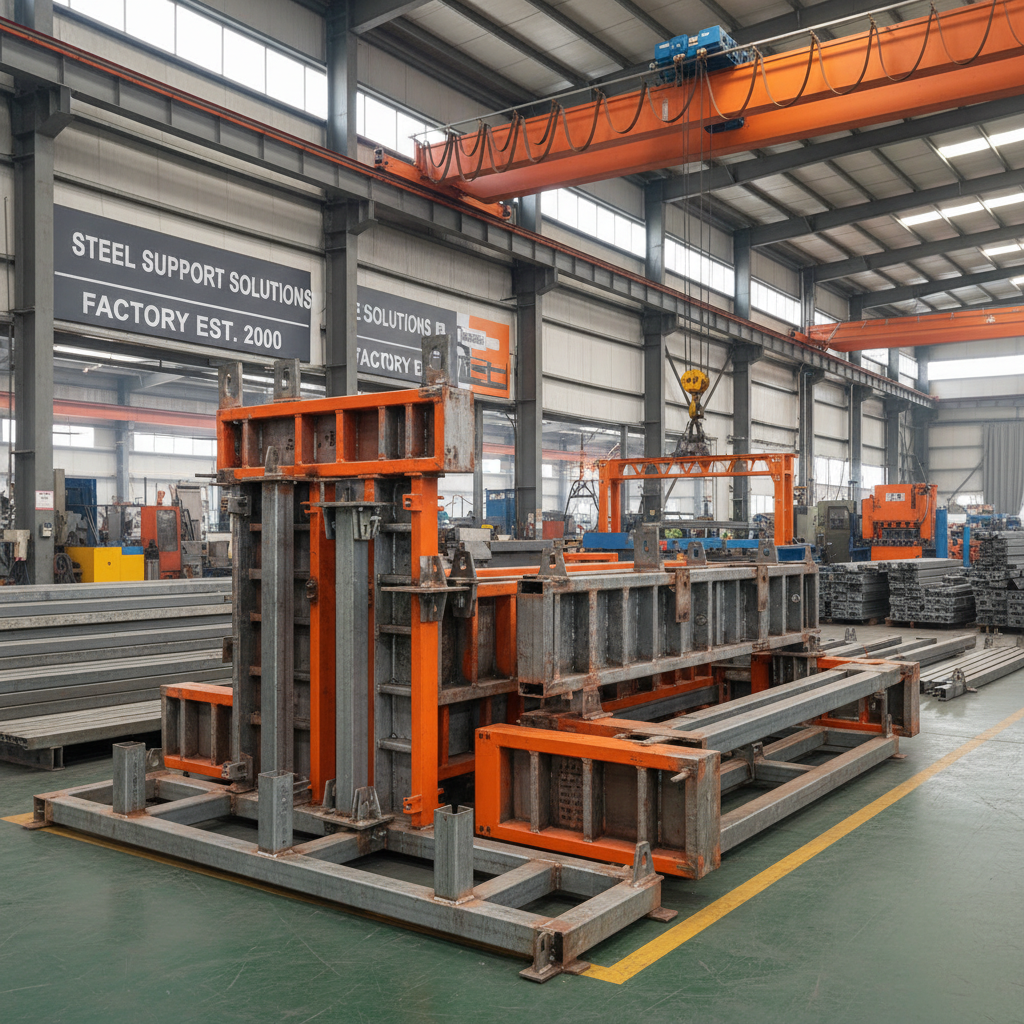
The production of architectural support systems is governed by strict engineering principles to ensure the safety of personnel and the stability of the structure. A professional manufacturing facility must integrate advanced R&D with automated production lines to eliminate human error in welding and cutting. The core of these systems lies in the raw material—typically high-strength carbon steel (such as Q235 or Q355)—which provides the necessary tensile strength to support heavy dynamic loads without deformation. To maintain consistency across thousands of units, an ERP-based intelligent management system is often employed, ensuring that every batch of tubing and every coupler meets the same rigorous tolerances. Furthermore, the integration of cutting-edge testing facilities allows manufacturers to verify the load-bearing capacity and structural integrity of each component before it leaves the factory floor, ensuring that the final assembly on the construction site is secure and reliable. This systemic approach to production transforms a simple metal fabrication process into a precise engineering discipline.
Evaluating High-Performance Support Systems
When auditing a supplier, it is essential to look beyond the price per ton and analyze the technical characteristics that define long-term performance. The following dimensions outline the critical factors that determine the quality and suitability of structural tubing and accessories for professional engineering projects.
Material Grade and Load Capacity
The load-bearing capacity of a system is primarily determined by the steel grade and the wall thickness of the tubes. High-strength carbon steel ensures that standards and ledgers can sustain immense pressure. For instance, choosing between a 1.8mm and 4.0mm wall thickness depends entirely on the calculated load requirements of the specific project. Professional systems are engineered to provide a stable working platform regardless of whether the application is a residential build or a complex bridge engineering project.
| Steel Grade | Typical Thickness | Load Suitability | Primary Use Case |
|---|---|---|---|
| Q235 Carbon Steel | 1.8mm - 2.0mm | Standard / Low | Light-duty residential |
| Q355 High Strength | 3.2mm - 4.0mm | Heavy / High | Industrial infrastructure |
| Galvanized Steel | 2.0mm - 3.2mm | Moderate / High | Coastal/Outdoor environments |
| Alloy Steel | Custom | Ultra-High | Deep excavations/Tunnels |
| Standard BS 1139 | 4.0mm | Certified High | Global commercial projects |
| EN 39 Grade | 3.2mm | Certified Standard | European construction sites |
Corrosion Resistance Mechanisms
Environmental degradation is the primary cause of structural failure in temporary supports. Hot-dip galvanization is the gold standard for protection, creating a thick zinc-iron alloy layer that prevents rust even in saline or humid climates. Compared to simple painting, galvanization offers a significantly extended operational life, reducing the frequency of replacements and lowering the total cost of ownership over multiple project cycles.
International Compliance Frameworks
Adherence to standards like BS 1139, EN 39, and JIS G 3444 is not optional for global projects. These certifications ensure that the dimensions are precise and the material strength is verified. A certified scaffold Factory provides the necessary documentation (CE, SGS, ISO 9001) to pass rigorous on-site safety inspections by government and third-party auditors.
Precision Engineering in Tube Manufacturing
Consistent wall thickness and smooth surfaces are critical for the fast and secure installation of couplers. Any variance in the outer diameter (standard 48.3mm) can lead to loose connections, which creates dangerous instability. Modern automated production lines ensure that tubes are perfectly straight and the ends are cleanly finished, facilitating rapid deployment on the job site.
Compatibility with Connection Hardware
A support system is only as strong as its weakest joint. High-precision tubes must be fully compatible with double couplers, swivel couplers, and sleeve connectors. Using standardized dimensions ensures that the structural backbone integrates seamlessly with accessories, allowing engineers to create complex configurations for specialized needs like tunnel bracing or municipal infrastructure.
Lifecycle Value and Reusability
Steel systems offer a superior ROI compared to timber supports due to their high reusability. While timber degrades quickly, galvanized steel can be used for 10 to 20 years if properly maintained. Evaluating the "cost per use" rather than the "initial purchase price" reveals that professional steel components are far more cost-effective for companies managing multiple project sites.
Deployment Efficiency in Large Projects
The strength-to-weight ratio of modern tubes allows for easier transport and faster on-site handling. Optimized logistics—such as strategic bundling of different lengths (6m, 7.2m, 12m)—reduces unloading time and minimizes waste. This efficiency is critical for maintaining project schedules in fast-paced urban construction environments.
FAQ
What are the primary international standards for steel support tubes?
The most recognized international standards include BS 1139 (British Standard), EN 39 (European Standard), and JIS G 3444 (Japanese Industrial Standard). These frameworks specify the material quality, permissible tolerances for diameter and wall thickness, and required strength tests to ensure global compatibility and safety.
Why is hot-dip galvanization preferred over painting for outdoor use?
Hot-dip galvanization involves immersing the steel in molten zinc, creating a metallurgical bond that is much more durable than a painted surface. It provides a thick, corrosion-resistant barrier that protects the steel from rust even when scratched or exposed to harsh weather, significantly extending the equipment's service life.
How do I choose the correct wall thickness for my construction project?
Selection should be based on the load-bearing calculations provided by your structural engineer. For light-duty platforms, 1.8mm to 2.0mm may suffice. However, for heavy-duty vertical standards or specialized support in tunnel engineering, thicker walls (3.2mm to 4.0mm) are required to prevent buckling and ensure stability.
Are these steel tubes compatible with all standard couplers?
Yes, as long as the tubes are manufactured to a standard outer diameter of 48.3mm, they will be compatible with almost all professional couplers, including swivel, sleeve, and putlog types. This standardization is a core requirement of the BS 1139 and EN 39 certifications.
What is the difference between a 'standard' and a 'ledger' in a support system?
In structural terms, 'standards' are the vertical tubes that transfer the entire weight of the platform and load down to the ground. 'Ledgers' are the horizontal tubes that connect the standards, providing lateral support and defining the levels of the working platform.
How can I maximize the lifespan of my scaffolding inventory?
Maximum lifespan is achieved through regular inspection for deep corrosion, structural deformation, or cracks. Store materials on level surfaces and avoid dragging them across abrasive ground to protect the galvanized coating. Periodic cleaning and ensuring tight coupler fitments also prevent premature wear.
References and further reading
- British Standard BS 1139: Specification for tubes and couplers for scaffolding.
- European Standard EN 39: Steel tubes for tubular scaffolding.
- ISO 9001:2015 Quality Management Systems requirements for manufacturing.
- JIS G 3444: Steel tubes for scaffolding.
Related Articles