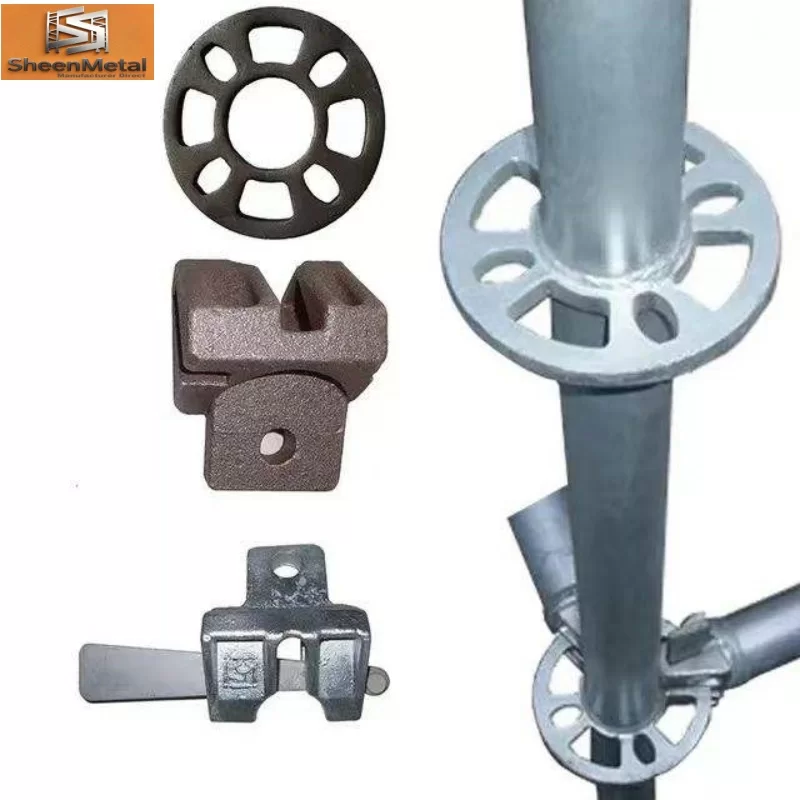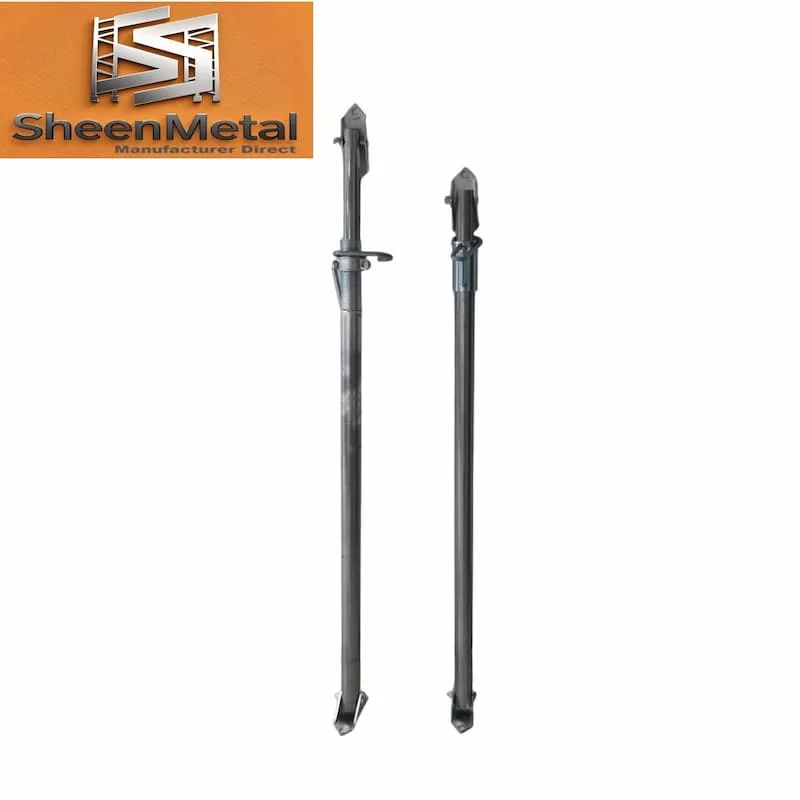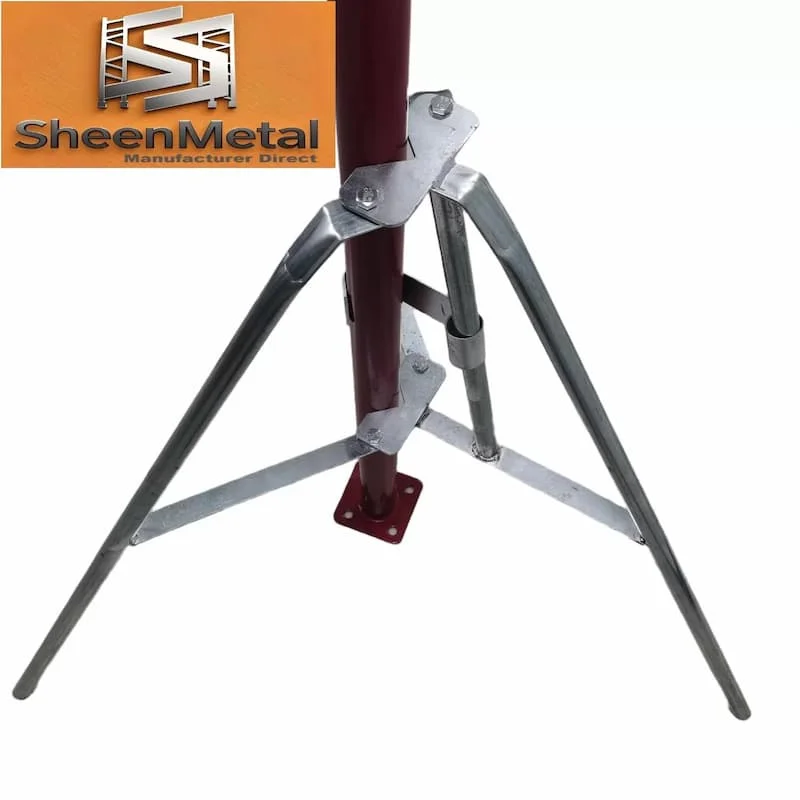
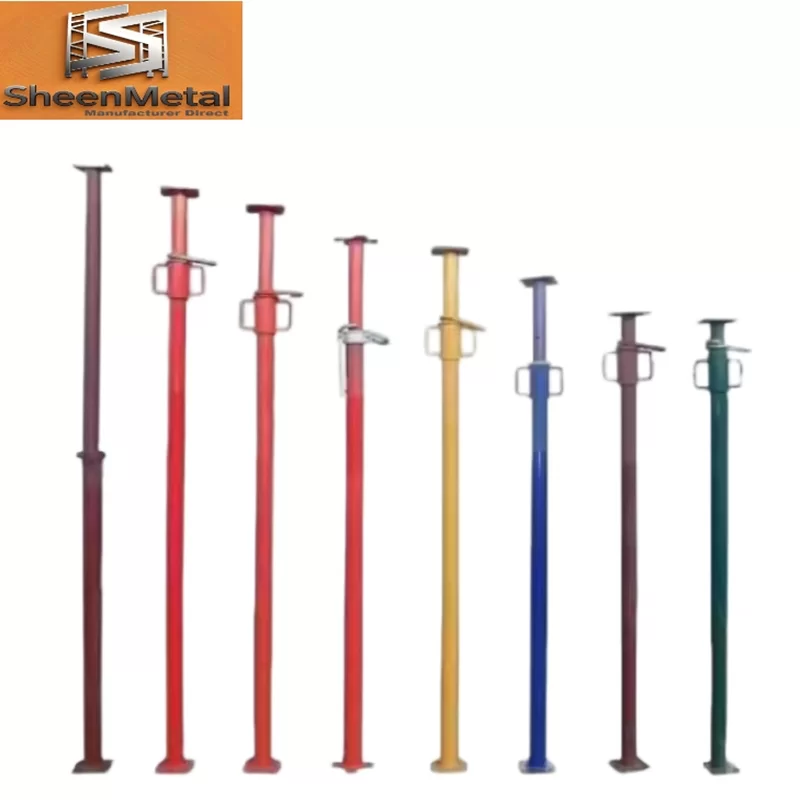
The Israeli construction market is currently characterized by an aggressive push toward high-density residential towers in Tel Aviv and infrastructure expansion in the Negev. The use of steel prop systems is critical here, as the region's high humidity levels near the coast demand superior anti-corrosion coatings to prevent structural degradation.
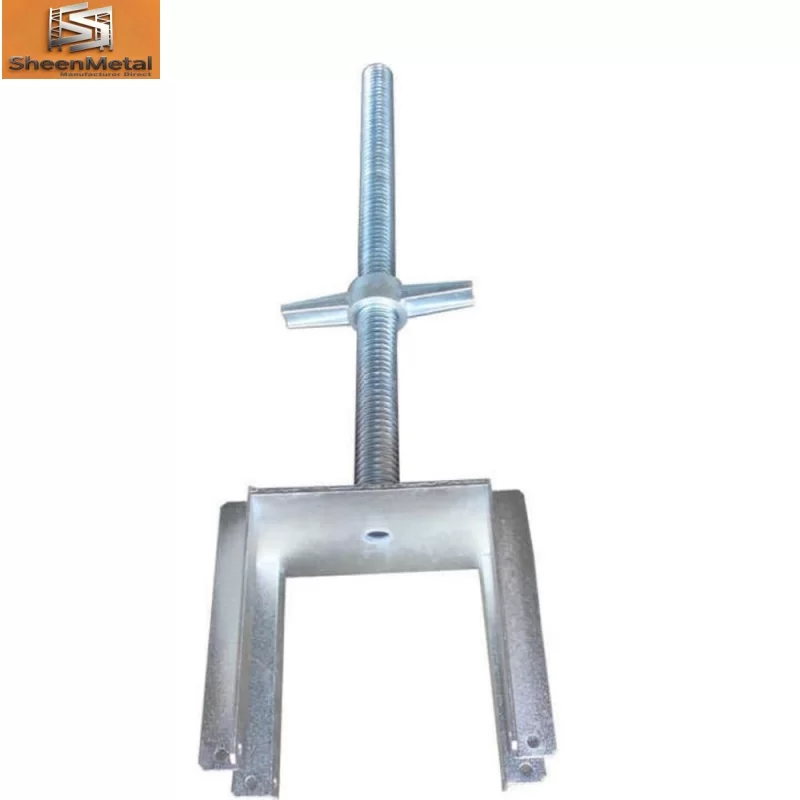
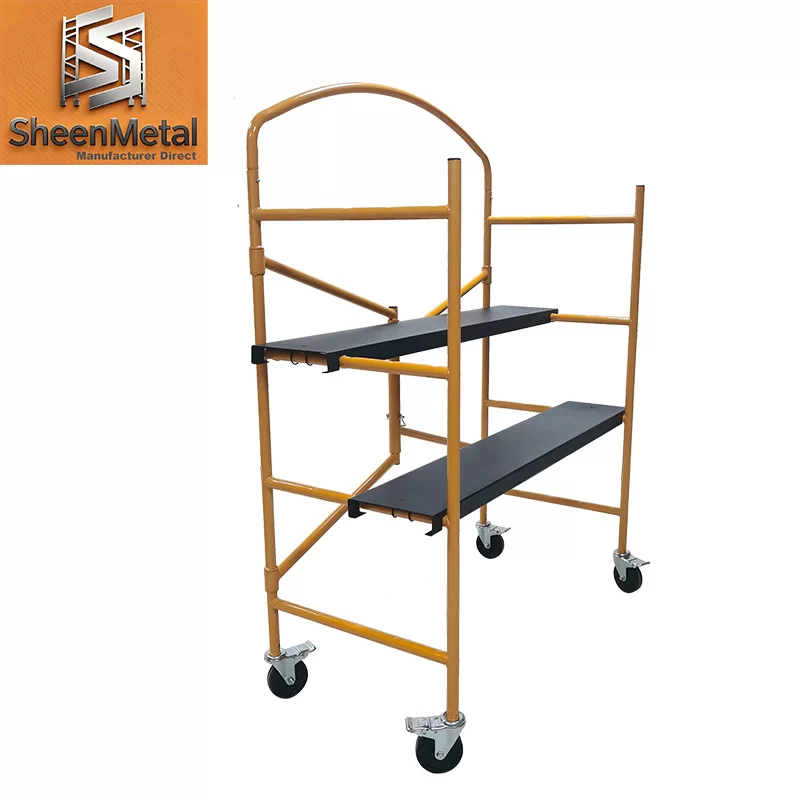
Economic volatility and a shortage of skilled labor have led Israeli contractors to shift from traditional timber supports to mechanized scaffolding prop systems. This transition prioritizes rapid assembly and disassembly, reducing project lead times in high-cost urban zones.
Furthermore, strict safety regulations imposed by Israeli building authorities necessitate the use of certified, high-tensile materials. The reliance on formwork steel prop has increased as projects move toward complex architectural geometries that require precise vertical adjustment.