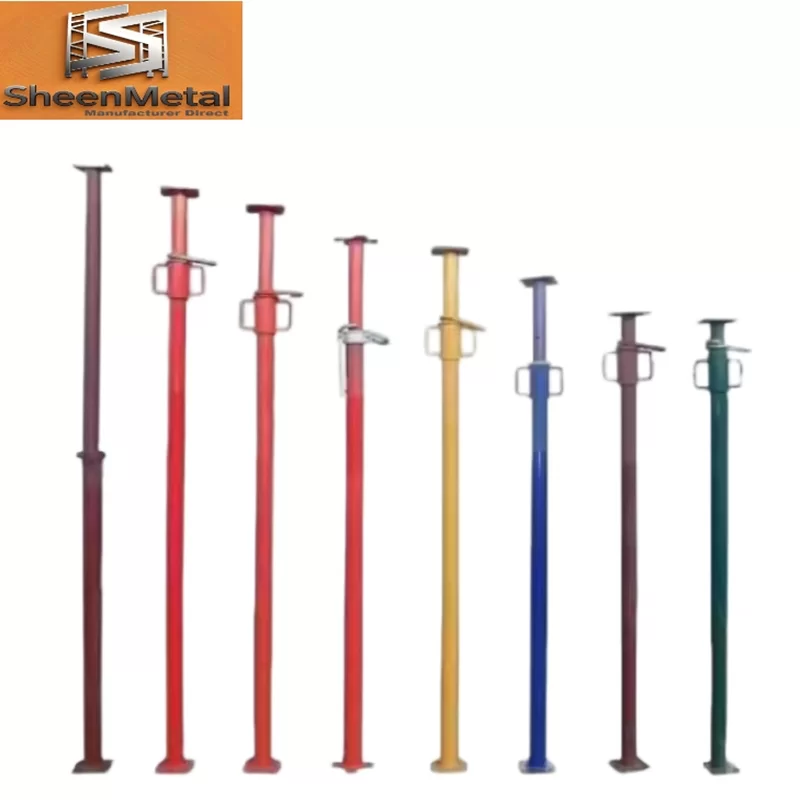
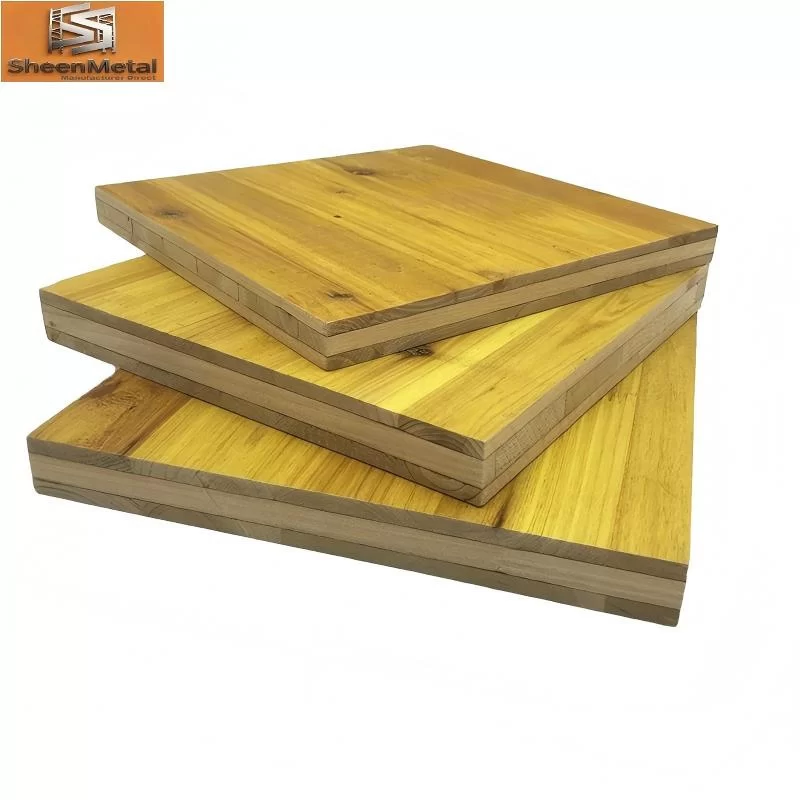
Japan's construction industry is characterized by an uncompromising commitment to safety and precision, driven largely by the geographical necessity of earthquake resistance. The use of formwork steel prop systems must meet strict JIS (Japanese Industrial Standards) to ensure that temporary structures can withstand unexpected seismic shifts during the pouring of concrete.
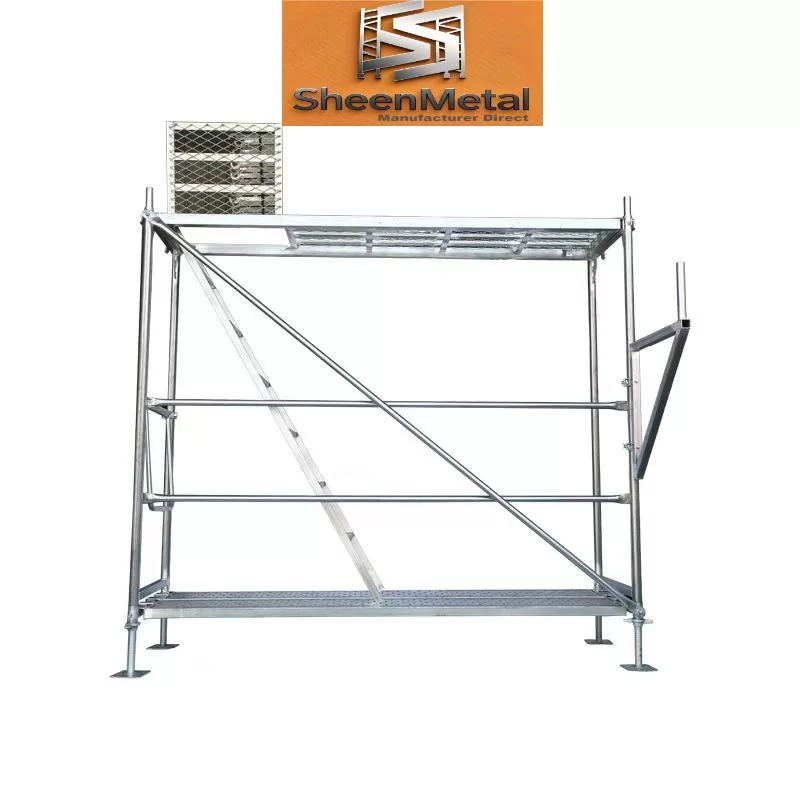
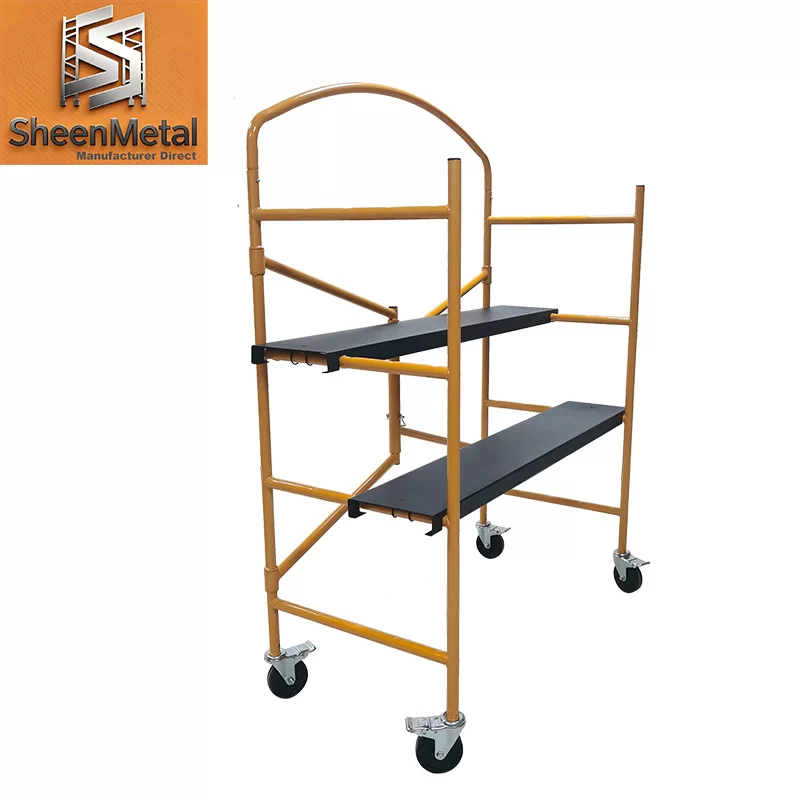
The urban density of cities like Tokyo and Osaka demands equipment that is not only strong but also highly adaptable to confined spaces. This has led to a high penetration of the scaffolding prop, where vertical accuracy and rapid deployment are critical to maintaining tight project timelines without compromising worker safety.
Currently, the market is shifting towards sustainable and recyclable metal products. The preference for high-grade galvanized finishes is dominant to combat the humid climate of the Japanese archipelago, preventing corrosion and extending the lifecycle of each acrow scaffolding prop used in coastal infrastructure projects.