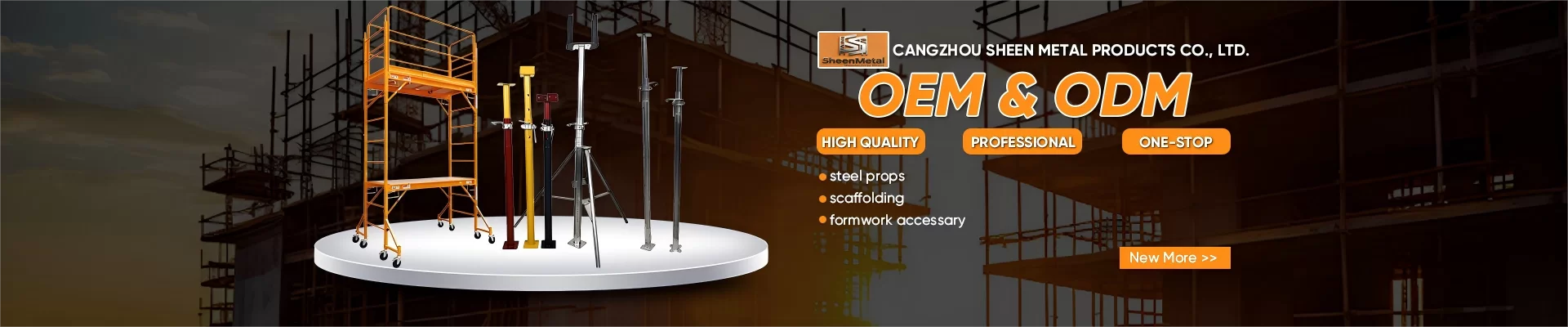
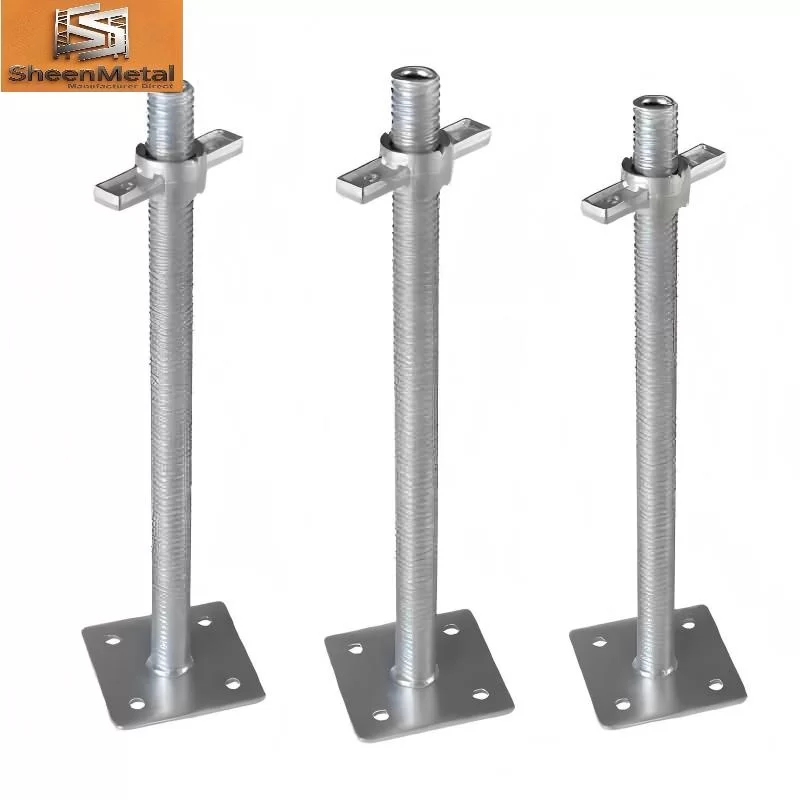
Kenya's construction landscape is currently dominated by rapid urbanization and large-scale infrastructure projects under the Vision 2030 plan. The demand for a reliable steel prop has surged as developers move away from traditional timber supports, which are susceptible to termites and humidity in the tropical Kenyan climate.
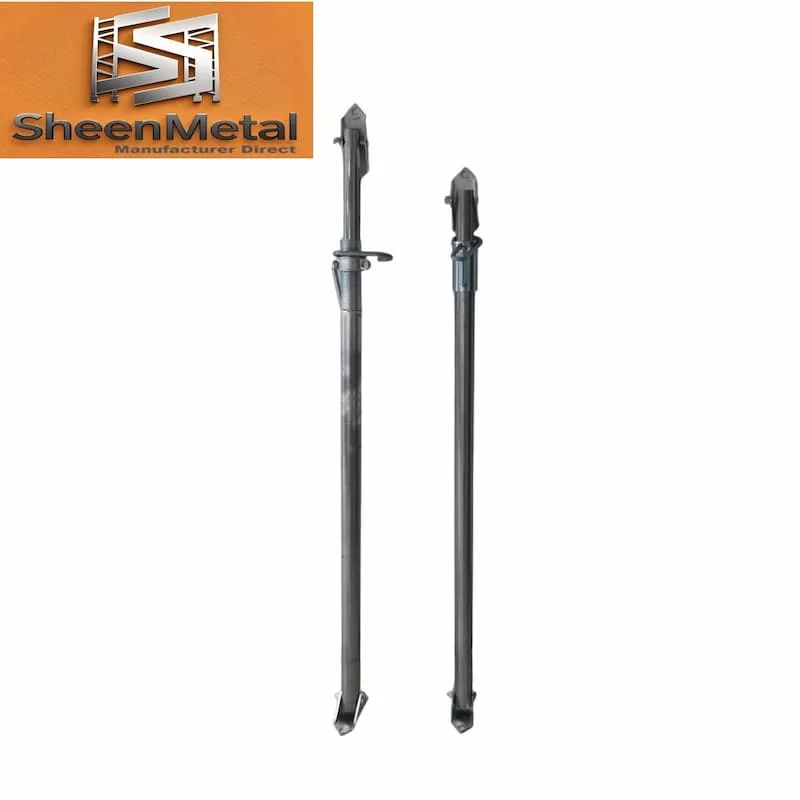
In cities like Nairobi and Kisumu, the shift toward multi-story residential complexes requires precision in formwork. The use of an adjustable steel prop has become the industry standard to handle varying ceiling heights and heavy concrete loads, reducing the risk of structural collapse during the curing process.
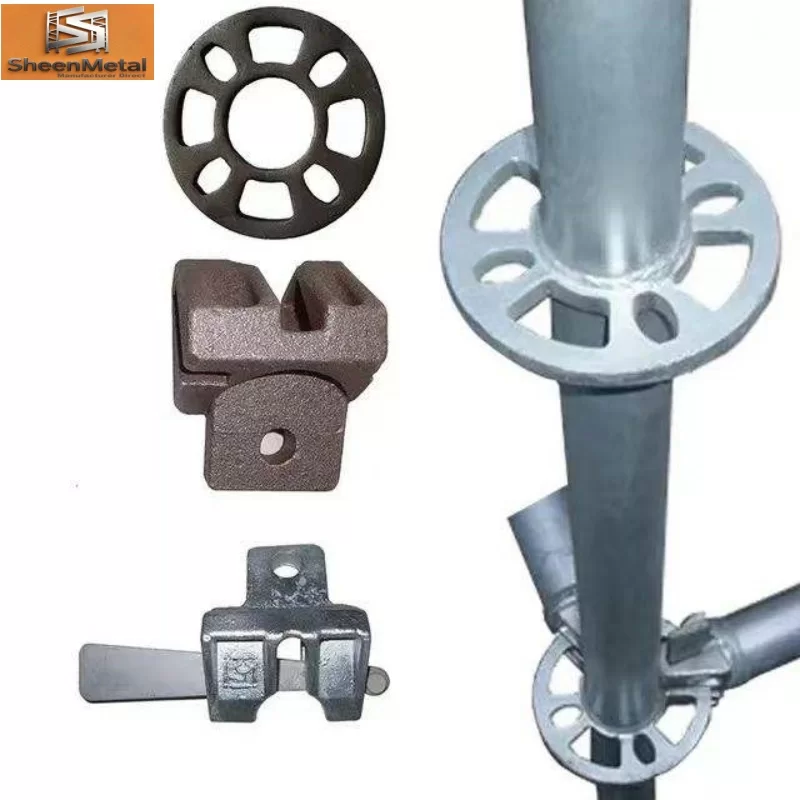
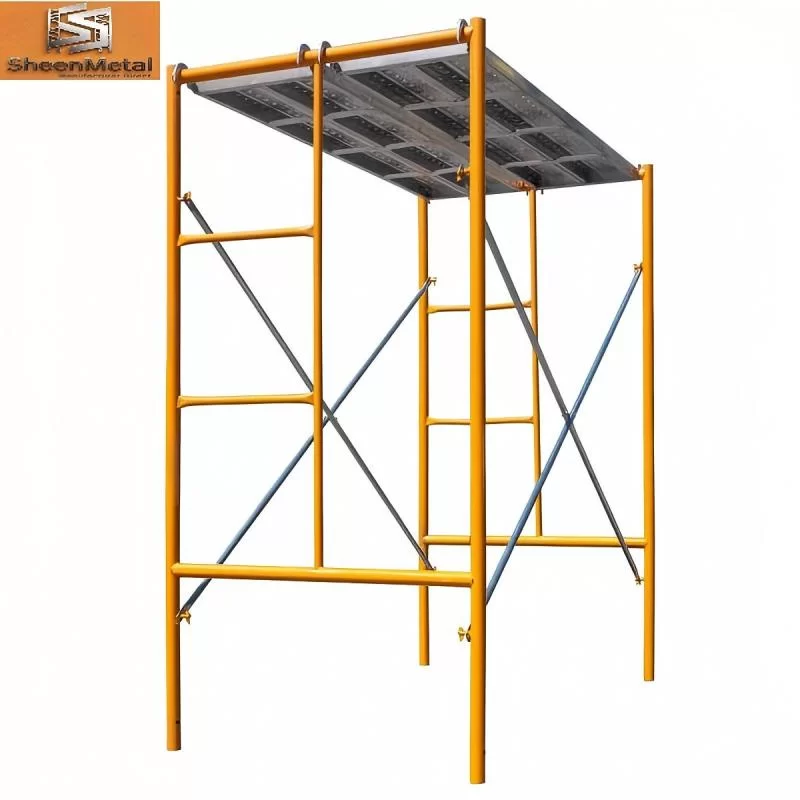
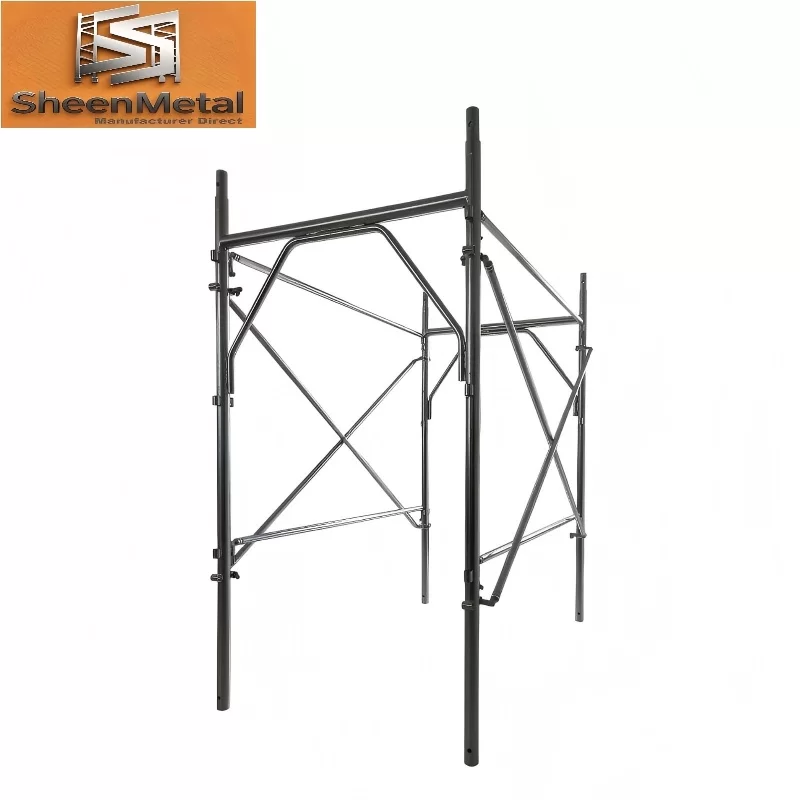
However, the market faces challenges with inconsistent quality of locally fabricated tools. This has led to an increased reliance on certified international standards for scaffolding prop systems that offer guaranteed load-bearing capacities and corrosion resistance for the salty air of the Kenyan coast.