
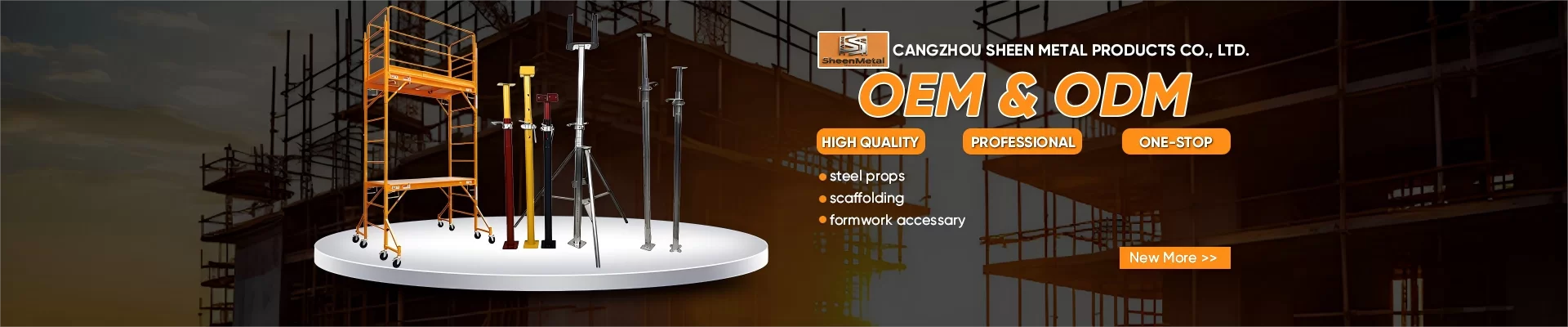

Modular construction support has revolutionized how engineers approach temporary access and structural shoring. Among these, the Ringlock system stands out for its versatility and high load capacity, serving as a critical component in industrial, commercial, and civil engineering projects. This article examines the technical intricacies and procurement strategies necessary when sourcing from a ringlock scaffolding system Factory, ensuring that safety and efficiency are prioritized.
For procurement officers and project managers, selecting the right manufacturing partner involves more than just comparing price lists. It requires an understanding of metallurgical standards, welding precision, and the ability of the supplier to provide certified components that meet rigorous international safety codes. The transition from traditional tube-and-clamp methods to modular systems significantly reduces onsite assembly time and minimizes human error during erection.
Readers will discover a comprehensive framework for evaluating technical specifications, from rosette precision to galvanization thickness. We will also analyze how specific manufacturing capabilities—such as automated production lines and ERP-driven quality control—impact the long-term durability and safety of the equipment. By the end of this guide, you will have the necessary criteria to audit a supplier's capacity to deliver high-performance architectural support solutions.
Engineering Standards for Modular Support
The fundamental advantage of modular scaffolding lies in its standardized interconnection system. Unlike traditional methods, the Ringlock design utilizes a pre-welded rosette that allows multiple horizontals to connect to a single vertical at fixed intervals. This creates a rigid, stable framework capable of supporting heavy loads while maintaining a high degree of flexibility for different structural shapes. From an engineering perspective, the stability of the system is derived from the precision of these connection points; any deviation in the rosette's dimensions can lead to instability or difficult assembly onsite. Understanding the broader context of ringlock scaffolding system Factory operations reveals that high-end production involves stringent tolerance controls and robotic welding to ensure every joint is structurally sound. The industry is moving toward higher-strength carbon steels and advanced surface treatments to extend the operational life of the equipment in corrosive environments, such as coastal bridge projects or chemical plant maintenance.
Technical Guide to Modular Scaffolding Procurement
When evaluating a supplier's technical capability, it is essential to move beyond marketing claims and analyze the actual manufacturing process. A professional production facility should integrate R&D with automated quality testing to guarantee that every component can withstand the designated load. The following sections break down the critical technical dimensions that buyers must audit to ensure project safety and cost-efficiency.
Rosette Connection Mechanism
The rosette is the heart of the modular system. It determines the number of possible connection points and the ease of locking. Precision-engineered rosettes prevent "play" in the joints, which is vital for high-rise structures where minor movements at the base are amplified at the top. High-quality factories use automated stamping and precision welding to ensure the rosette is perfectly perpendicular to the vertical tube.
| Check Factor | Requirement | Risk of Poor Quality | Buyer Question |
|---|---|---|---|
| Rosette Tolerance | ± 0.5mm | Difficult assembly/locking | What is your stamping precision? |
| Weld Penetration | Full penetration | Structural failure under load | Do you use robotic welding? |
| Locking Pin Fit | Secure, no looseness | Vibration-induced instability | How are locking pins tested? |
| Connection Angle | Exact 90 degrees | Tilted structures | How do you ensure perpendicularity? |
| Steel Grade | Q235 or Q345 | Insufficient yield strength | Can you provide mill certificates? |
| Wall Thickness | Consistent across batch | Local buckling | How is tube thickness verified? |
Material Grade and Corrosion Resistance
Durability depends on the choice of steel and the surface treatment. For long-term use across multiple projects, hot-dip galvanization is superior to painting as it provides a metallurgical bond that prevents rust even if the surface is scratched. Buyers should specify the zinc coating thickness (e.g., 60-80 microns) to ensure the equipment survives harsh outdoor environments and humidity without losing structural integrity.
Load Bearing and Structural Stability
Structural stability is a function of the steel's yield strength and the precision of the welded joints. A reputable manufacturer provides detailed load tables for different configurations. It is critical to verify that the system is tested for both vertical compression and lateral shear forces, ensuring that the scaffolding does not collapse under the combined weight of personnel, materials, and wind loads.
Assembly Efficiency and Labor Costs
The primary commercial driver for choosing modular systems is the reduction in labor. Because components are pre-fabricated, the need for skilled labor to measure and cut tubes is eliminated. An optimized system should allow for rapid "plug-and-play" erection. When auditing a factory, ask about the compatibility of their components with other global standards to avoid being locked into a proprietary system that is hard to expand.
Customization for Complex Geometry
Not all sites are rectangular. The ability to integrate custom-length ledgers, adjustable base jacks, and specialized brackets allows the system to fit around irregular facades or industrial piping. A sophisticated manufacturer like Sheen Metal utilizes a design-to-production workflow, allowing them to tailor the system to specific project blueprints while maintaining the integrity of the modular connection.
Compliance with Global Safety Certs
Safety certifications such as ISO 9001, CE, and SGS are not just paperwork; they indicate a commitment to a standardized quality management system. For international projects, ensure the supplier adheres to the specific safety codes of the destination country. This includes rigorous testing of the welded pipes and couplers to ensure they meet the required safety factors for human occupancy at height.
Lifecycle Value and Reusability
The total cost of ownership is determined by how many times the equipment can be reused. High-precision manufacturing reduces wear and tear on the connection points during assembly and disassembly. By investing in high-grade galvanized steel and precision-welded components, companies reduce the frequency of replacements and the costs associated with maintenance and scrap.
FAQ
What makes Ringlock systems different from Cuplock or Frame scaffolding?
Ringlock systems utilize a rosette-based connection that allows for more flexible connection points and higher load capacities compared to Cuplock. Unlike Frame scaffolding, which is limited to pre-defined dimensions, Ringlock is highly modular, allowing it to be configured into complex shapes and varying heights, making it more suitable for industrial and irregular architectural projects.
How do I verify the quality of a scaffolding manufacturer from abroad?
Buyers should request mill certificates for the steel, third-party test reports (such as SGS or CE), and evidence of ISO certification. Additionally, asking for a sample of the rosette weld and checking the galvanization thickness with a gauge can reveal the actual quality of the production. A factory using automated ERP systems and robotic welding generally offers higher consistency.
Can modular scaffolding be used for heavy-duty shoring applications?
Yes, Ringlock systems are frequently used for shoring due to their high vertical load capacity. However, it is critical to consult a structural engineer to determine the required spacing of the standards (verticals) and the necessity of additional bracing to prevent buckling, depending on the specific weight of the slab or structure being supported.
What is the expected lifespan of galvanized modular scaffolding?
When manufactured to high standards with hot-dip galvanization, these systems can last for over a decade with proper maintenance. The lifespan is primarily affected by the quality of the zinc coating and how the equipment is handled during transport and assembly. Regular inspections for weld cracks and corrosion are recommended to ensure ongoing safety.
Do you offer customized components for unique project needs?
Based on our manufacturing capabilities, we provide customized solutions including specific ledger lengths, specialized brackets, and custom steel props. This ensures that the system can be integrated into complex project environments, such as bridge engineering or tunnel construction, while maintaining full compatibility with the standard modular components.
Which surface treatment is better: Painted or Galvanized?
Hot-dip galvanization is significantly better for B2B industrial use. While painting is cheaper initially, it chips easily during assembly, leading to rapid corrosion. Galvanization provides a durable, rust-resistant layer that bonds to the steel, making it the professional choice for contractors who intend to reuse the equipment across multiple project sites.
References and further reading
- International Standards for Construction Scaffolding and Temporary Works.
- Guide to Hot-Dip Galvanizing for Structural Steel Components.
- Comparison of Modular vs. Tube-and-Coupler Scaffolding Efficiency Reports.
Related Articles


