
March 3, 2026
Choosing the Right Scaffolding Lock Pin Supplier: A Comprehensive Guide
Selecting a reliable scaffolding lock pin supplier is critical for ensuring the safety and stability of scaffolding structures. Lock pins are fundamental components, securing connections and preventing collapse. This article provides an in-depth overview of key considerations when choosing a supplier, covering quality, materials, certifications, and crucial factors for making the right decision. We will focus on providing insights to help you find a supplier that meets your project’s specific needs and complies with industry standards.
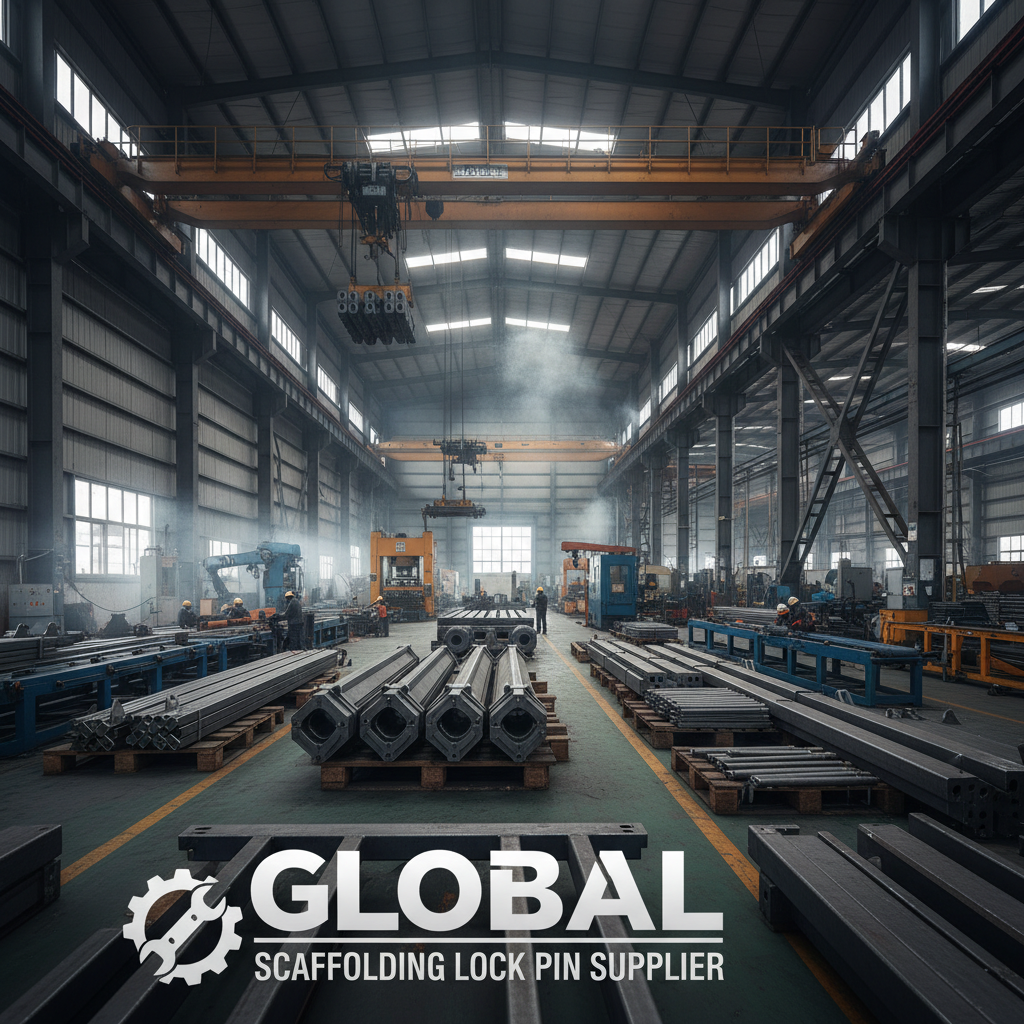
Understanding Scaffolding Lock Pins
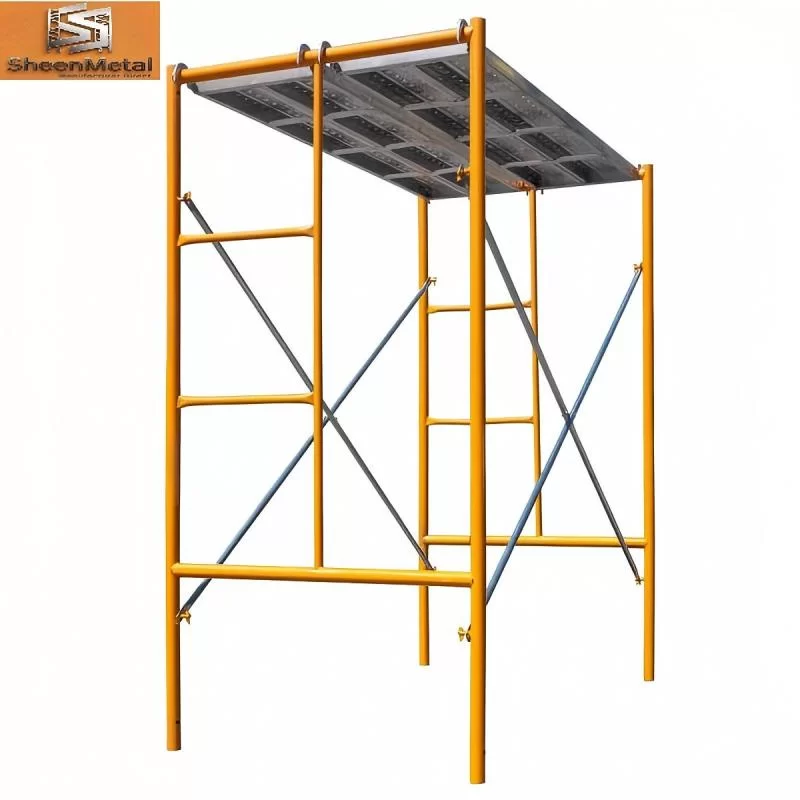
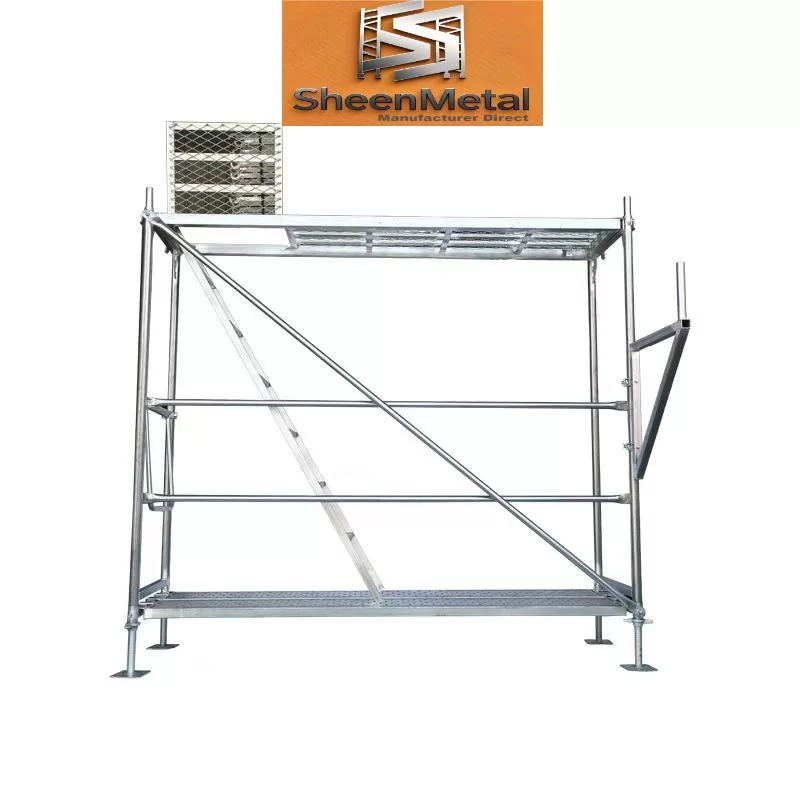
Scaffolding lock pins are essential fasteners used to securely connect scaffolding components. They prevent movement and ensure the overall structural integrity of the scaffolding. These pins are typically made from high-strength materials like steel, designed to withstand significant loads and resist corrosion. Different types of lock pins cater to various scaffolding systems, including cup-lock, frame, and system scaffolding. Choosing the correct pin type is paramount for optimal performance and safety. A quality scaffolding lock pin supplier will offer a range of options to suit diverse requirements.
Key Considerations: Ensuring the lock pins are compatible with the scaffolding system, made of high-strength materials, and meet relevant safety standards are critical for a secure setup.
Key Factors When Selecting a Scaffolding Lock Pin Supplier
Choosing the right supplier goes beyond just price. Several factors significantly impact the quality and reliability of the lock pins you receive. These include the supplier’s manufacturing process, material sourcing, quality control procedures, and adherence to industry certifications. A reputable supplier will be transparent about their processes and readily provide documentation verifying the quality and safety of their products. Consider a supplier like Sheen Metal Scaffold, known for their commitment to quality and safety.
Essential Supplier Qualities:
• Proven track record of reliability and quality.
• Commitment to adhering to safety standards (e.g., EN 12811, OSHA).
• Transparent manufacturing and sourcing processes.
• Responsive customer support and efficient delivery.
Material and Manufacturing Quality
The material used in scaffolding lock pins directly impacts their strength and durability. High-quality steel alloys are preferred, offering excellent resistance to tensile stress and corrosion. The manufacturing process should involve precise forging or machining to ensure dimensional accuracy and structural integrity. Suppliers should employ rigorous quality control measures, including material testing, dimensional checks, and load testing, to verify that each pin meets required specifications. A reliable supplier will provide material certificates and test reports upon request.
Certifications and Compliance
Look for suppliers who hold relevant industry certifications, such as ISO 9001 for quality management, and demonstrate compliance with safety standards like EN 12811 (European standard for scaffolding components) or OSHA (Occupational Safety and Health Administration) regulations. These certifications indicate a commitment to quality, safety, and adherence to established industry best practices. Valid certifications provide assurance that the lock pins have undergone rigorous testing and meet specified performance criteria.
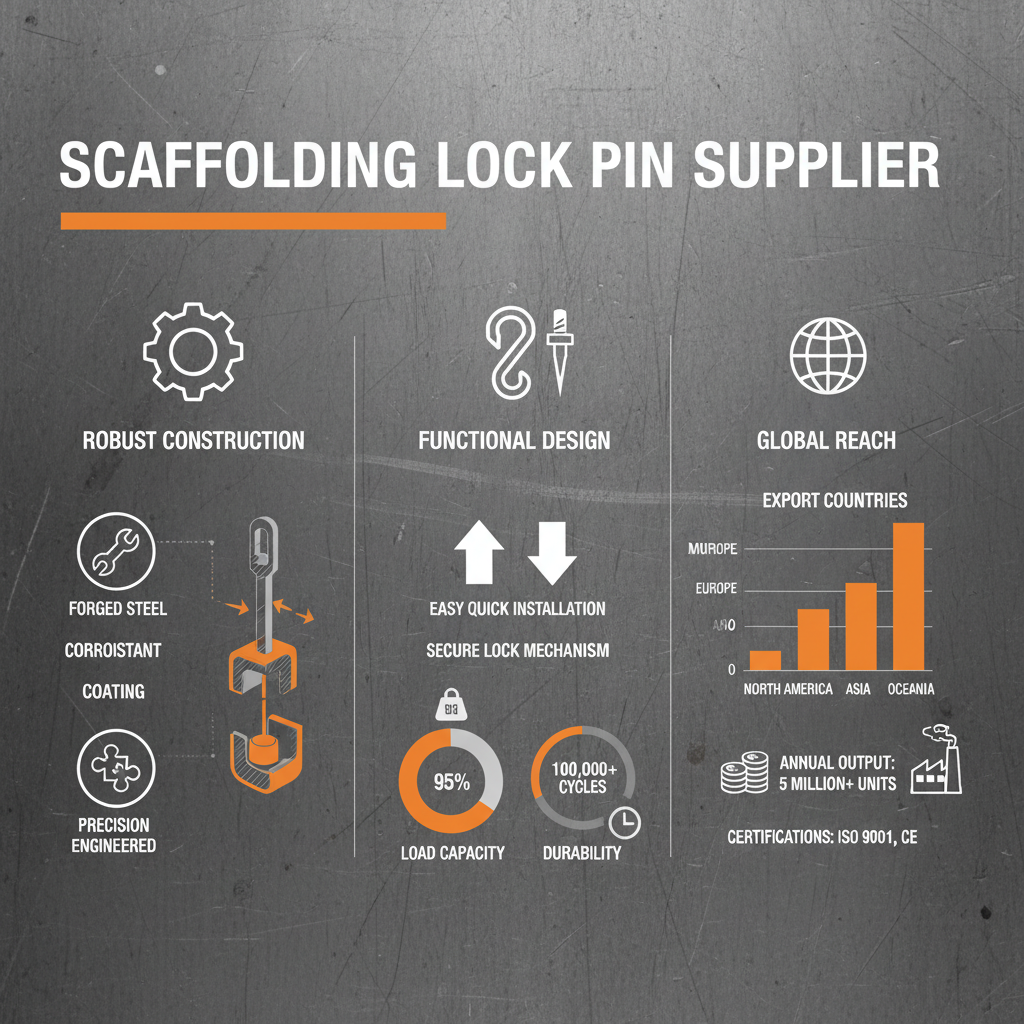
Cost vs. Value: Choosing Wisely
While price is a factor, it shouldn't be the sole determinant. Prioritize value over the lowest cost. Cheaply made lock pins may compromise safety and require frequent replacement, leading to higher long-term costs. A reputable supplier like Sheen Metal Scaffold offers competitive pricing alongside guaranteed quality and reliability, providing the best overall value. Investing in quality lock pins minimizes the risk of accidents and ensures the longevity of your scaffolding structures.
Conclusion: Prioritizing Safety and Reliability
Choosing a scaffolding lock pin supplier requires careful consideration of quality, materials, certifications, and value. Prioritizing safety and reliability over simply the lowest price is crucial for protecting workers and ensuring the structural integrity of scaffolding. Partnering with a reputable supplier committed to industry standards is a smart investment that delivers long-term peace of mind.
Frequently Asked Questions (FAQs)
What is the typical lifespan of scaffolding lock pins?
The lifespan of scaffolding lock pins depends on several factors, including the material quality, frequency of use, environmental conditions (exposure to moisture, UV radiation), and the load they bear. Generally, with proper maintenance and care, high-quality steel lock pins can last for several years. However, it’s vital to regularly inspect them for signs of wear, corrosion, or damage. Pins exhibiting any of these signs should be replaced immediately. A good practice is to implement a scheduled inspection and replacement program to ensure consistent safety.
How should scaffolding lock pins be stored to prevent corrosion?
Proper storage is essential to prevent corrosion. Lock pins should be stored in a dry, covered area protected from the elements. Avoid storing them directly on the ground, as this can expose them to moisture and contaminants. Consider applying a protective coating or lubricant specifically designed for steel to further inhibit corrosion. Regularly inspect stored pins for any signs of rust or corrosion and address any issues promptly.
What types of scaffolding systems do different lock pins support?
Different scaffolding systems require specific types of lock pins. Cup-lock scaffolding utilizes wedge lock pins to secure ledgers and transoms. Frame scaffolding typically employs pin locks to connect frames together. System scaffolding may use a combination of pins and other connectors depending on the system design. It’s crucial to use the correct type of lock pin for the specific scaffolding system to ensure proper functionality and safety. Refer to the scaffolding manufacturer's guidelines for recommended pin types and installation instructions.
What safety checks should be performed on lock pins before use?
Before each use, thoroughly inspect all lock pins for any signs of damage, such as bending, cracking, corrosion, or wear. Ensure that the locking mechanism is functioning correctly and that the pin fits securely into the corresponding hole. Do not use any pin that is damaged or compromised. Regularly check the pin's head and body for any deformation. A damaged lock pin can significantly weaken the scaffolding structure and pose a serious safety risk.