
March 31, 2026
Navigating the Wholesale Market for Factory-Direct Sourcing
Sourcing products directly from factories through the wholesale market can significantly boost your profit margins and ensure quality control. However, it requires careful planning and execution. This guide will delve into the intricacies of navigating the wholesale market and securing reliable factory partnerships, particularly focusing on the advantages for businesses seeking to scale. We'll cover identifying reputable factories, negotiating pricing, ensuring quality, and managing logistics, empowering you to make informed decisions for sustainable growth. Successfully leveraging the wholesale market and connecting directly with a Factory is key to a successful business.
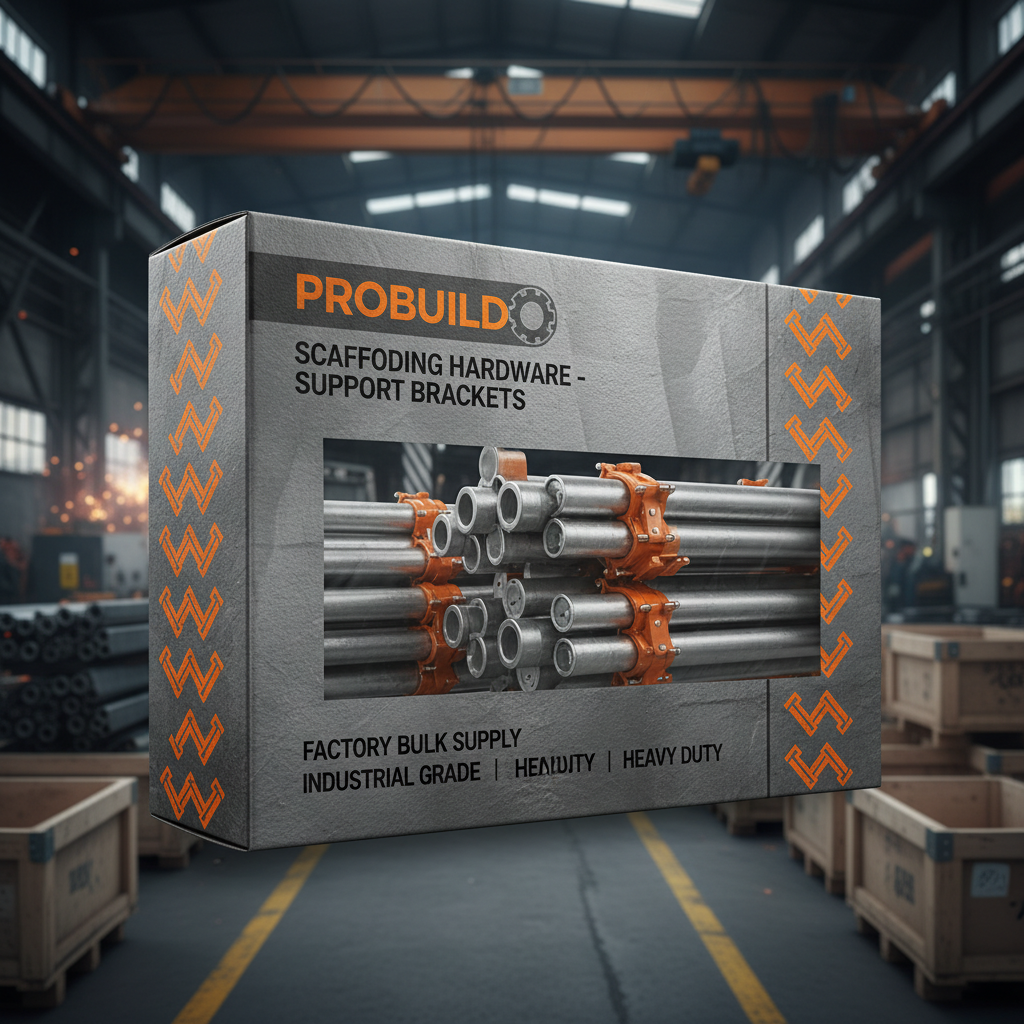
Understanding the Wholesale Market Landscape
The wholesale market encompasses a broad spectrum of sourcing options, ranging from large-scale trade shows and online B2B platforms to direct factory engagements. A key consideration is identifying your specific needs – the product type, order volume, and desired level of customization. Online platforms like Alibaba and Global Sources offer extensive catalogs and facilitate connections with numerous suppliers, but due diligence is crucial. Attending industry-specific trade shows provides a more hands-on approach, allowing you to meet suppliers face-to-face and assess product quality firsthand. However, the most potentially rewarding, and often challenging, path is establishing direct relationships with factories, offering the greatest control over production and pricing.
Key Takeaway: Direct factory sourcing requires more effort but unlocks the potential for higher profit margins, customized products, and greater quality control.
Identifying and Vetting Potential Factories
Locating reliable factories is paramount. Start by researching industry directories, attending trade shows, and leveraging online B2B platforms. Once you’ve identified potential partners, thorough vetting is essential. Request samples to assess product quality, and verify the factory's certifications (e.g., ISO 9001) to ensure adherence to quality standards. Don’t hesitate to ask for references and contact previous clients. A factory audit, conducted by a third-party inspection service, provides a comprehensive evaluation of the factory’s capabilities, production processes, and ethical practices. Protecting your intellectual property is also crucial; ensure the factory is willing to sign a Non-Disclosure Agreement (NDA).
Vetting Checklist:
• Request samples and assess quality
• Verify certifications (ISO, etc.)
• Check references and contact past clients
• Conduct a factory audit (optional)
• Ensure an NDA is in place
Wholesale Market vs. Direct Factory Sourcing: A Comparison
Choosing between sourcing through the wholesale market or directly from factories involves weighing several factors. Wholesale markets offer convenience and a wider selection of suppliers, but often at a higher cost. Direct factory sourcing, while more complex, provides greater control over quality, pricing, and customization. The optimal approach depends on your business’s size, resources, and specific requirements. Sheen Metal Scaffold specializes in providing direct factory-to-customer solutions.
Negotiating Pricing and Payment Terms
Effective negotiation is crucial when dealing directly with factories. Research market prices beforehand to establish a realistic benchmark. Be prepared to discuss order volume, payment terms, and potential discounts. Typically, factories prefer larger orders and upfront payments. Consider using an Escrow service to protect your funds until the goods are shipped and verified. Establishing a long-term relationship based on mutual trust and fair pricing is often more beneficial than seeking the lowest possible price in the short term. Clear communication and detailed contracts are essential to avoid misunderstandings.
Quality Control and Logistics Management
Maintaining consistent product quality is vital. Implement a robust quality control process, including pre-production inspections, during-production inspections, and final inspections before shipment. Consider hiring a third-party inspection agency to ensure impartiality. Effective logistics management is equally important. Work with a reputable freight forwarder to handle shipping, customs clearance, and insurance. Clearly define Incoterms (International Commercial Terms) in your contracts to delineate responsibilities for shipping costs, insurance, and risk of loss. Sheen Metal Scaffold offers comprehensive logistics support for seamless delivery.
Conclusion: Harnessing the Power of Direct Factory Sourcing
Successfully navigating the wholesale market and forging strong relationships with factories requires diligence, planning, and effective communication. By prioritizing quality control, negotiating favorable terms, and managing logistics efficiently, businesses can unlock significant cost savings and gain a competitive edge. Remember to thoroughly vet potential partners, establish clear contracts, and embrace a long-term approach to building mutually beneficial relationships.
Frequently Asked Questions (FAQs)
What are Incoterms and why are they important?
Incoterms (International Commercial Terms) are a set of standardized trade terms published by the International Chamber of Commerce. They define the responsibilities of sellers and buyers in international trade transactions, including who pays for shipping costs, insurance, and customs duties, as well as who bears the risk of loss or damage during transit. Using Incoterms in your contracts provides clarity and minimizes disputes. Common Incoterms include FOB (Free on Board), CIF (Cost, Insurance, and Freight), and EXW (Ex Works). Selecting the appropriate Incoterm is crucial for managing your costs and risks effectively.
How can I protect my intellectual property when working with a factory?
Protecting your intellectual property is paramount. Always have a Non-Disclosure Agreement (NDA) in place before sharing any sensitive information with a factory. The NDA should clearly define what constitutes confidential information and prohibit the factory from disclosing it to third parties or using it for their own benefit. Consider registering your designs and trademarks to further safeguard your IP rights. Be cautious about providing overly detailed specifications that could enable the factory to easily replicate your products. Regularly monitor the market for potential infringements.
What is a factory audit and what does it entail?
A factory audit is a comprehensive assessment of a factory’s capabilities, production processes, quality control systems, and ethical practices. It typically involves a physical inspection of the factory premises, a review of documentation, and interviews with management and workers. A factory audit can help you identify potential risks and ensure that the factory meets your standards for quality, safety, and social responsibility. Audits are often conducted by independent third-party inspection agencies. Sheen Metal Scaffold partners with audited factories.
What are the common payment terms used in wholesale market transactions?
Common payment terms include Letter of Credit (LC), Telegraphic Transfer (TT), and Escrow. LC offers the highest level of security for both parties, but it's also the most complex and expensive. TT involves a direct bank transfer, typically with a percentage paid upfront as a deposit and the remaining balance upon shipment or delivery. Escrow provides a neutral third party to hold the funds until the goods are verified. Negotiating favorable payment terms is crucial for managing your cash flow and minimizing risk. It’s advisable to start with smaller orders to build trust and establish a payment history before committing to larger transactions.