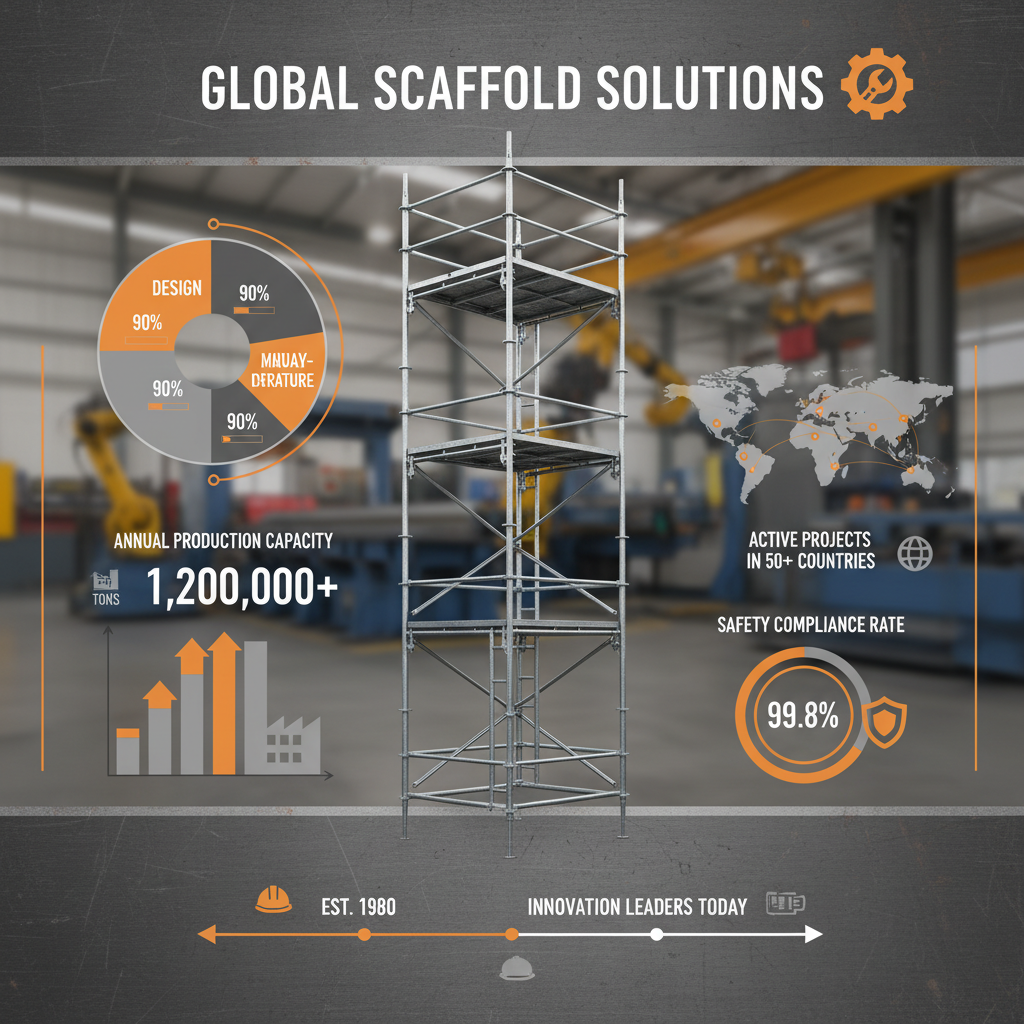
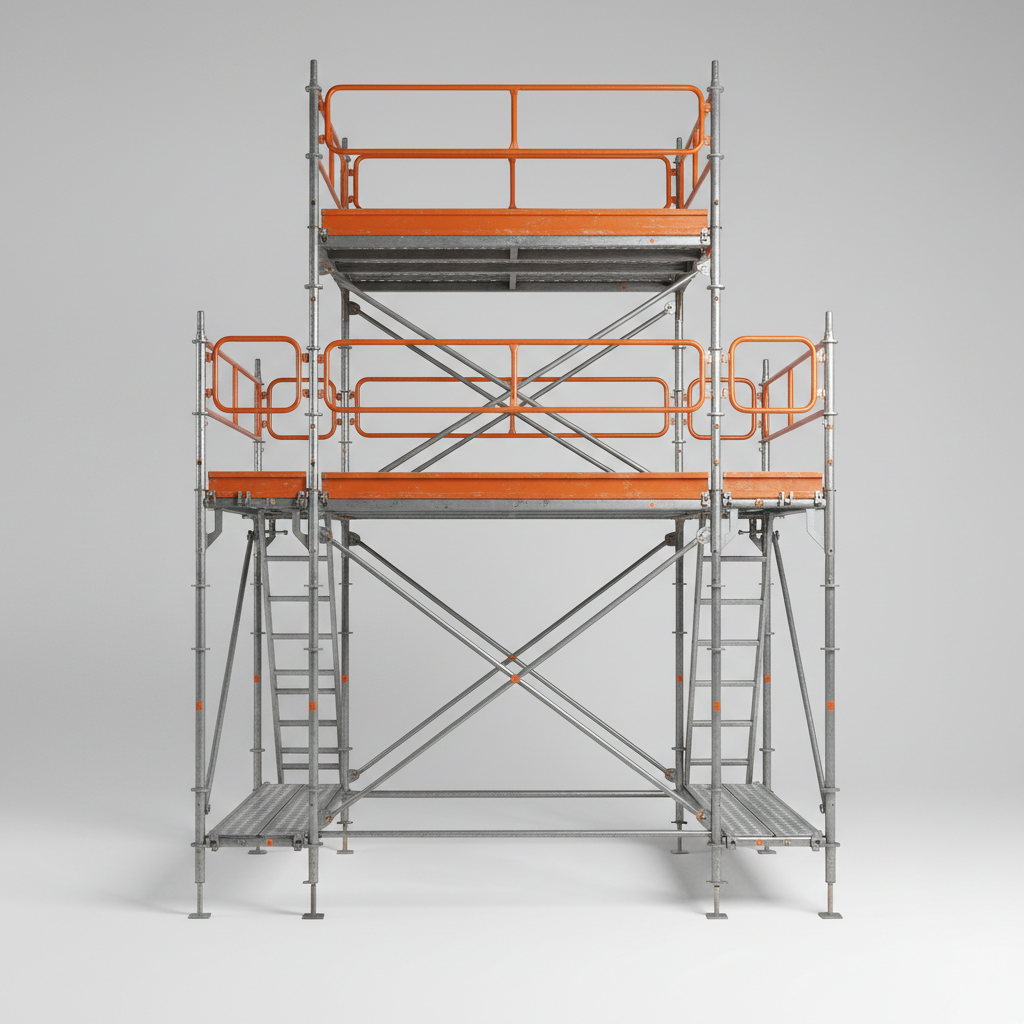
Scaffold system Suppliers play a vital role in modern construction and infrastructure development globally. These suppliers provide the essential temporary structures needed to safely facilitate work at heights, ensuring projects of all scales – from residential buildings to massive industrial complexes – can be completed efficiently and securely. Understanding the intricacies of a reliable scaffold system Supplier is crucial for project managers, safety officers, and contractors alike.
The global demand for effective scaffolding solutions is continuously increasing, driven by rapid urbanization, infrastructure investment in emerging economies, and stricter safety regulations. Choosing the right scaffold system Supplier is no longer simply a matter of cost; it's about prioritizing worker safety, project timelines, and long-term value. A comprehensive understanding of different scaffolding types, materials, and supplier capabilities is paramount.
Investing in a robust and well-maintained scaffolding system sourced from a reputable scaffold system Supplier translates directly into enhanced productivity, reduced accident rates, and ultimately, a successful project outcome. This makes selecting a reliable supplier not just a logistical decision, but a strategic one.
The Importance of Scaffold System Suppliers
A dependable scaffold system Supplier isn't merely a vendor; they are a critical partner in ensuring project success. They provide not only the physical scaffolding materials but also the expertise, technical support, and safety training necessary for their correct and compliant usage. A good supplier understands the diverse needs of different projects and offers customized solutions to meet specific challenges.
Without reliable scaffolding, construction projects face significant delays, increased safety risks, and potential cost overruns. A proactive and responsive scaffold system Supplier can mitigate these risks by providing timely delivery, ongoing maintenance, and adherence to the highest industry standards.
Defining a Scaffold System Supplier
A scaffold system Supplier is a company specializing in the provision of scaffolding equipment, encompassing design, manufacturing, sales, rental, installation, inspection, and dismantling services. These suppliers cater to a wide range of industries, including construction, industrial maintenance, oil and gas, and event management. They offer a diverse portfolio of scaffolding systems, ranging from traditional tube and coupler systems to advanced modular scaffolding solutions.
The scope of a scaffold system Supplier’s services can vary, with some focusing solely on equipment rental, while others offer comprehensive solutions including engineering design, safety training, and on-site supervision. Choosing a supplier that aligns with your project's specific needs is crucial.
Modern suppliers are increasingly integrating technology into their offerings, providing digital inventory management, 3D modeling for scaffold design, and online safety training platforms. This focus on innovation demonstrates a commitment to efficiency and safety within the industry.
Key Characteristics of Reliable Suppliers
Reliable scaffold system Suppliers distinguish themselves through several key characteristics. Foremost is a demonstrable commitment to safety, evidenced by compliance with relevant industry standards and certifications like OSHA, ANSI, and ISO. They provide comprehensive safety training for their staff and clients, ensuring that scaffolding systems are erected, used, and dismantled safely.
Beyond safety, financial stability and a proven track record are vital. A strong supplier will have a robust inventory, allowing them to quickly respond to project demands, and a well-established logistics network to ensure timely delivery. Excellent customer service, including responsive support and proactive communication, is also a hallmark of a reliable partner.
Finally, a forward-thinking supplier will continuously invest in its fleet, incorporating newer, more efficient, and safer scaffolding technologies. They’ll also demonstrate a commitment to sustainability by offering eco-friendly materials and responsible disposal practices.
Core Components and Quality Standards
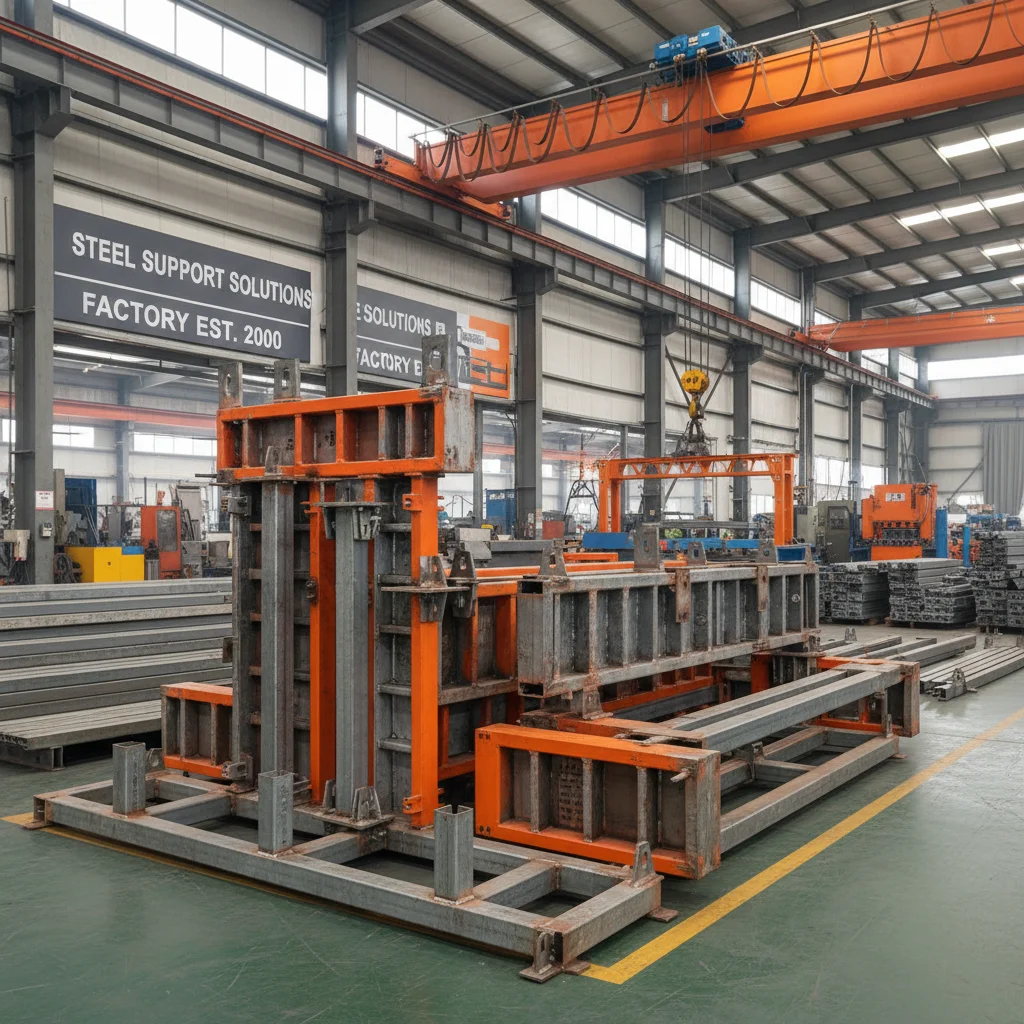
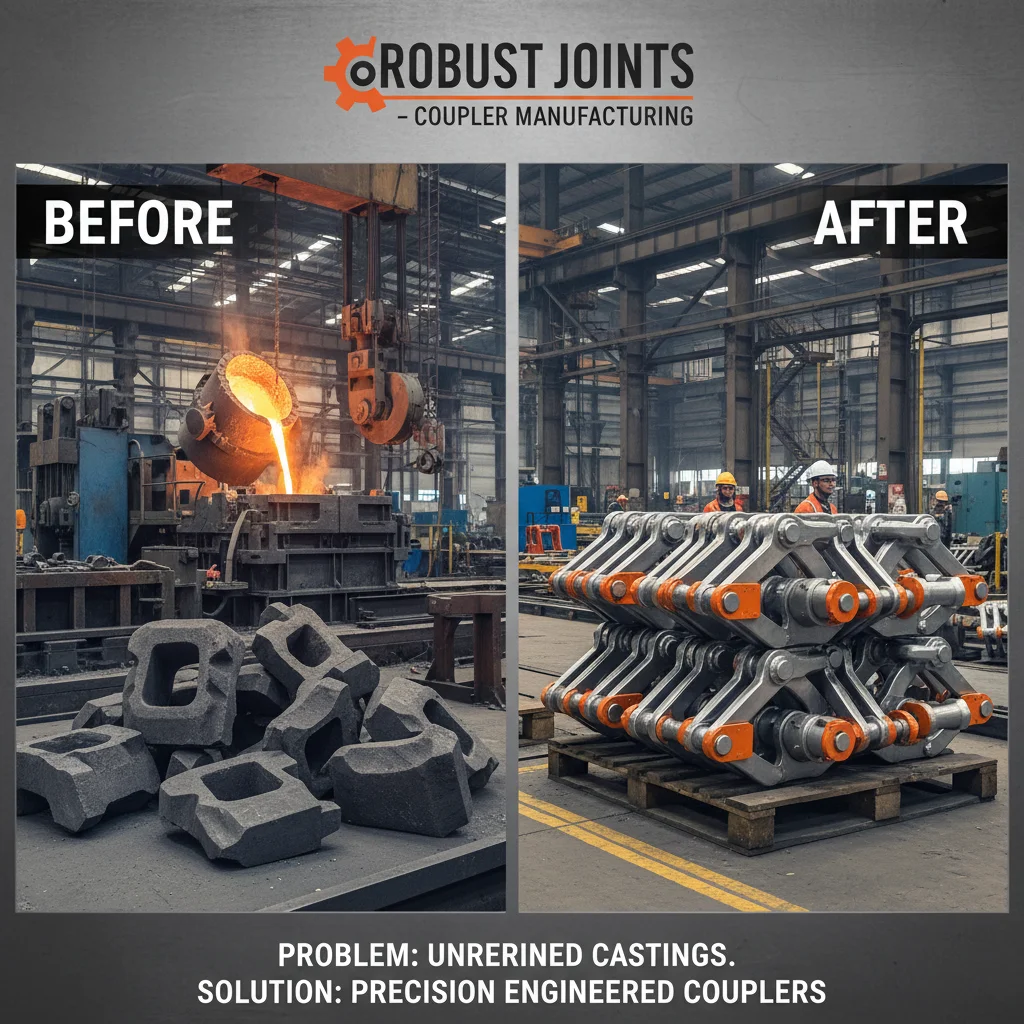
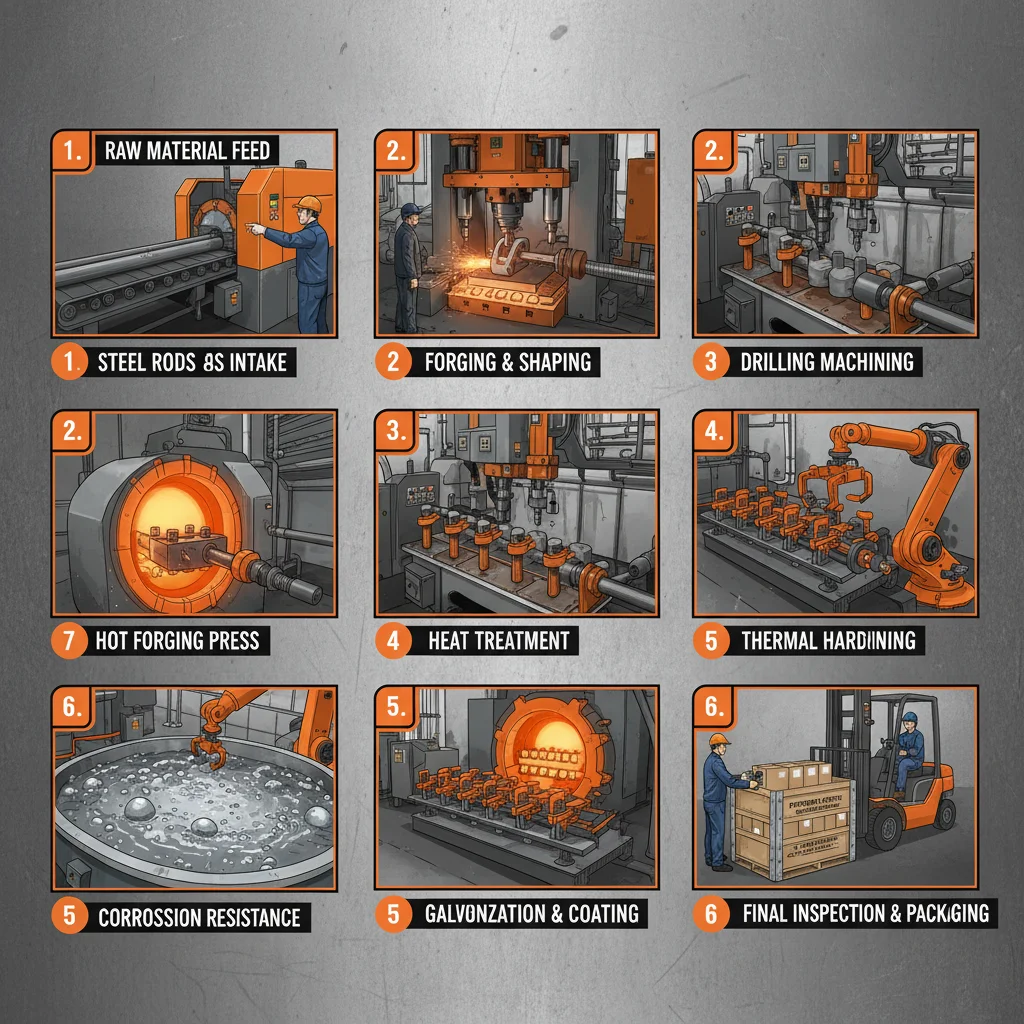
A comprehensive scaffold system Supplier provides a wide range of core components, including tubes, couplers, ledgers, transoms, base plates, and safety accessories like guardrails and toe boards. The quality of these components is paramount, directly impacting the structural integrity and safety of the erected scaffolding. Materials typically include steel, aluminum, and increasingly, composite materials designed for specific applications.
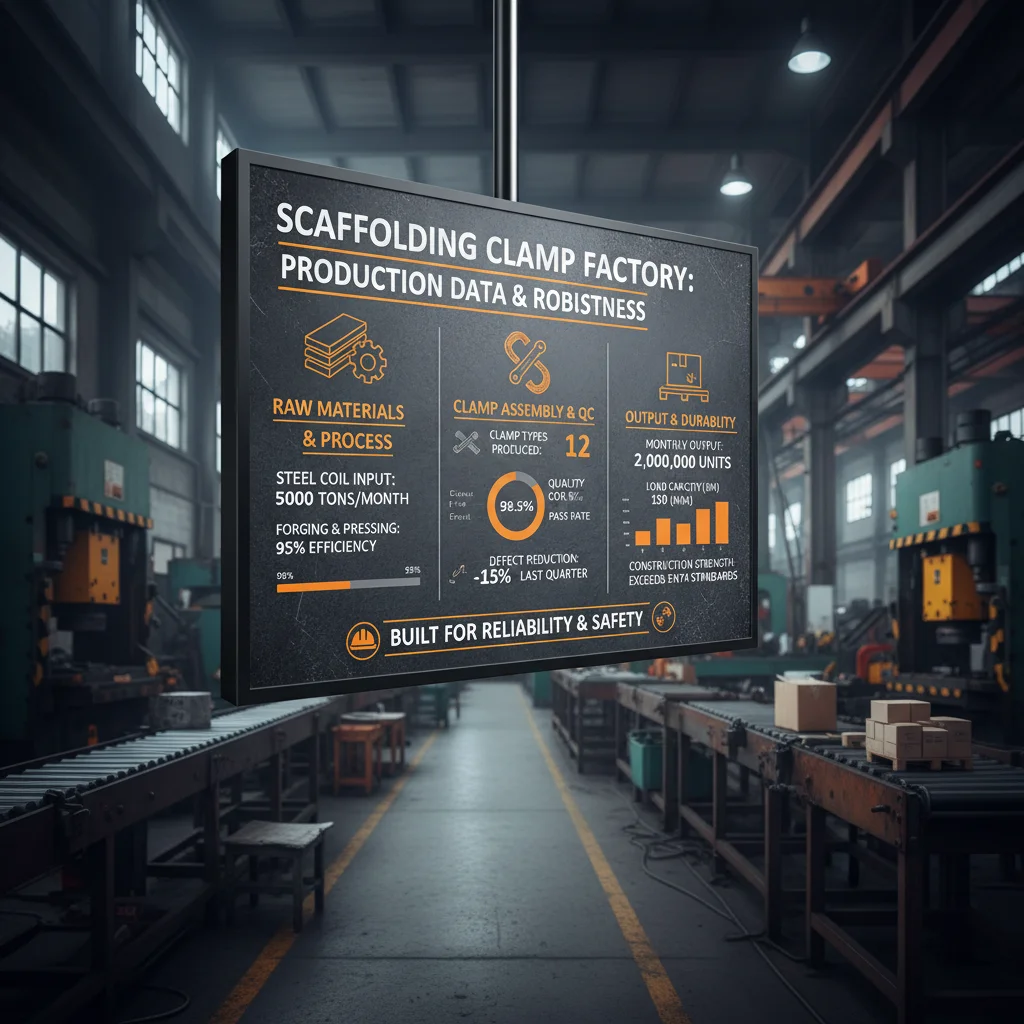
Adherence to rigorous quality standards is non-negotiable. Suppliers should provide certifications confirming that their materials meet or exceed industry standards. Regular inspection and maintenance protocols are also crucial, ensuring that all components are free from defects and in good working order.
Quality Assessment of Scaffold System Components
Global Applications of Scaffolding Systems
Scaffolding systems supplied by specialized companies like scaffold system Supplier are ubiquitous across a multitude of industries and geographical locations. In construction, they enable the building of skyscrapers, bridges, and infrastructure projects. The oil and gas industry relies heavily on scaffolding for maintenance and repair of offshore platforms and refineries.
Industrial maintenance, shipbuilding, and even event staging utilize scaffolding for safe access and work platforms. In post-disaster relief operations, mobile scaffolding systems are crucial for rapid assessment and repair efforts. Furthermore, in remote industrial zones, where conventional access methods are limited, scaffolding provides a vital lifeline for maintenance and construction teams.
Advantages of Partnering with a Quality Supplier
The benefits of partnering with a reputable scaffold system Supplier extend far beyond simply acquiring equipment. A quality supplier contributes to enhanced project safety through proper training, compliant materials, and ongoing support. This translates to reduced accident rates and improved worker morale.
Cost savings are another significant advantage. A supplier offering efficient logistics, reliable equipment, and proactive maintenance helps minimize downtime and delays. Long-term partnerships can also unlock favorable pricing and customized solutions. Furthermore, choosing a supplier committed to sustainability demonstrates a responsible approach to environmental stewardship.
Ultimately, a strong supplier relationship builds trust and confidence, allowing project teams to focus on core competencies and achieve optimal outcomes.
Future Trends and Innovation in Scaffold Supply
The scaffolding industry is undergoing a period of rapid innovation. Digital technologies, such as Building Information Modeling (BIM) and drone-based inspection, are transforming the design, erection, and monitoring of scaffolding systems. The integration of IoT sensors allows for real-time tracking of scaffold components and monitoring of structural integrity.
Sustainable materials and modular scaffolding systems are gaining prominence, driven by a growing demand for eco-friendly construction practices. Automated scaffold erection systems are also emerging, promising to significantly reduce labor costs and improve safety. Suppliers are increasingly offering comprehensive digital platforms for inventory management, safety training, and project collaboration.
Looking ahead, we can expect to see greater use of lightweight, high-strength composite materials, further advancements in automated erection technologies, and a continued emphasis on data-driven insights for optimizing scaffold system performance and safety.
Summary of Future Trends in Scaffold System Supply
| Trend Category |
Description |
Impact on Suppliers |
Adoption Rate (1-10) |
| Digital Integration |
Use of BIM, drones, and IoT sensors. |
Requires investment in new technologies and training. |
7 |
| Sustainable Materials |
Adoption of eco-friendly materials and responsible disposal practices. |
Demand for transparent supply chains and environmental certifications. |
6 |
| Modular Systems |
Increased use of pre-fabricated and modular scaffolding components. |
Requires expertise in modular design and logistics. |
8 |
| Automation |
Development of automated scaffold erection and dismantling systems. |
Requires significant capital investment and skilled technicians. |
5 |
| Data Analytics |
Leveraging data to optimize scaffold system performance and safety. |
Requires data collection infrastructure and analytical expertise. |
4 |
| On-Demand Services |
Providing scaffolding as a service, with flexible rental options. |
Requires streamlined logistics and responsive customer support. |
9 |
FAQS
When choosing a scaffold system Supplier, prioritize certifications like OSHA (Occupational Safety and Health Administration) compliance, ANSI (American National Standards Institute) adherence, and ISO 9001 for quality management. These certifications demonstrate a commitment to safety, quality, and industry best practices, ensuring the scaffolding meets rigorous standards for structural integrity and worker protection. Checking for ongoing training and inspection programs is also vital, assuring a safe working environment.
Scaffolding must be inspected regularly to guarantee safety. A competent person should conduct a pre-shift inspection before each work shift, as well as a comprehensive inspection after any event that could compromise its integrity, such as severe weather. Detailed records of all inspections should be maintained, noting any defects and corrective actions taken. Consulting with a reputable scaffold system Supplier for inspection guidelines is highly recommended.
Several scaffolding types cater to different project needs. These include supported scaffolding (frame, system, tube and coupler), suspended scaffolding (swing stage), rolling scaffolding, and mobile scaffolding. The optimal choice depends on factors like height, load capacity, site conditions, and access requirements. A scaffold system Supplier can help you select the most appropriate scaffolding type for your specific application.
Scaffold erectors require thorough training covering hazard recognition, safe erection procedures, fall protection, proper use of personal protective equipment (PPE), and inspection techniques. Training should be conducted by a qualified instructor and documented appropriately. Many scaffold system Suppliers offer comprehensive safety training programs to ensure compliance with industry standards.
Lead times for scaffold rental can vary depending on availability and the complexity of the order. Generally, it’s best to book scaffolding well in advance, especially during peak construction seasons. A reputable scaffold system Supplier will provide a clear timeline and work with you to ensure timely delivery and installation.
Proper erection and dismantling are crucial for scaffolding safety. Engage qualified and experienced scaffold erectors who follow established procedures and adhere to safety regulations. Ensure the scaffolding is erected on a stable base, properly braced, and equipped with guardrails and toe boards. A scaffold system Supplier can often provide erection and dismantling services conducted by certified professionals.
Conclusion
In conclusion, selecting the right scaffold system Supplier is a critical decision that impacts project safety, efficiency, and cost-effectiveness. A reliable supplier provides not only high-quality equipment but also the expertise, training, and support necessary to ensure compliance with industry standards and best practices. The future of scaffolding is geared toward innovation, sustainability, and the integration of digital technologies, demanding suppliers to constantly evolve and adapt.
Prioritizing a long-term partnership with a reputable supplier fosters trust, collaboration, and continuous improvement. By staying informed about emerging trends and embracing innovative solutions, project teams can maximize the benefits of scaffolding systems and achieve optimal outcomes. To learn more about how Sheen Metal Scaffold can support your project needs, visit our website today.