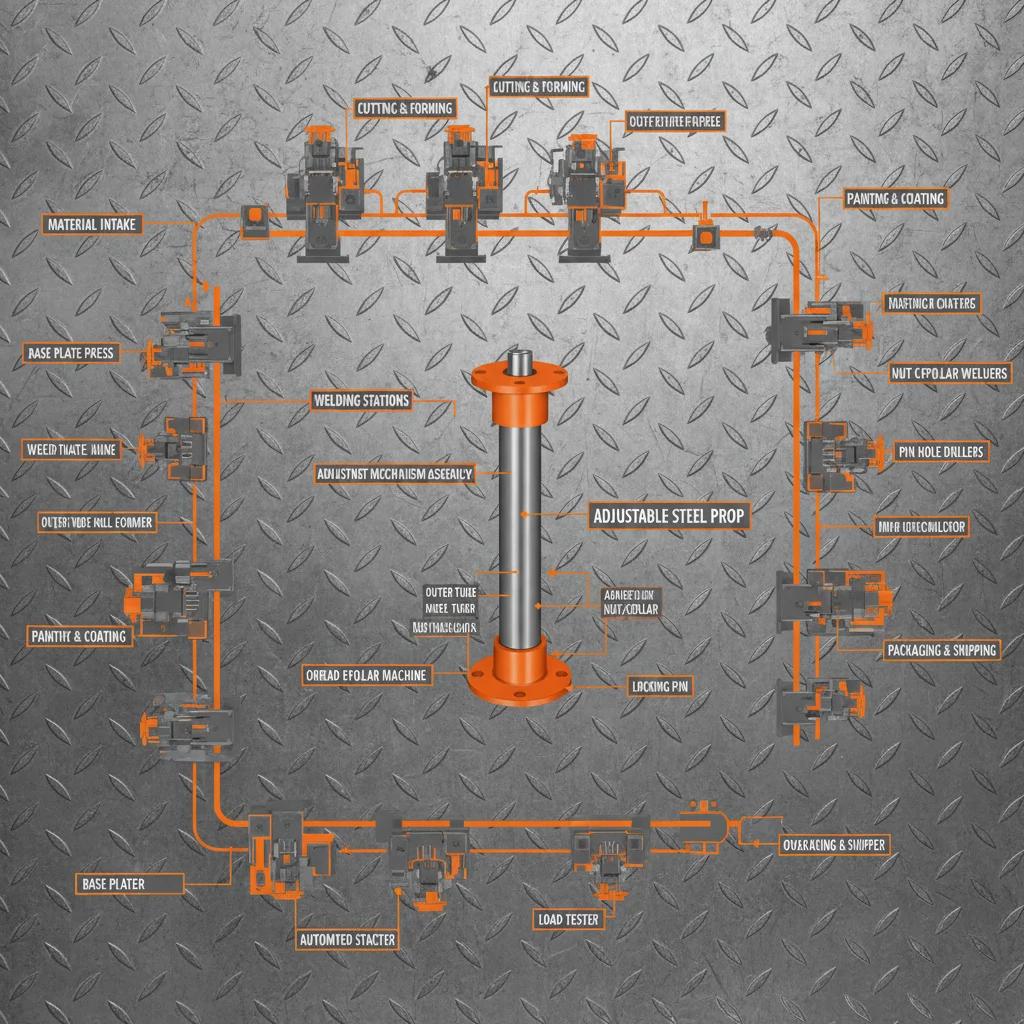
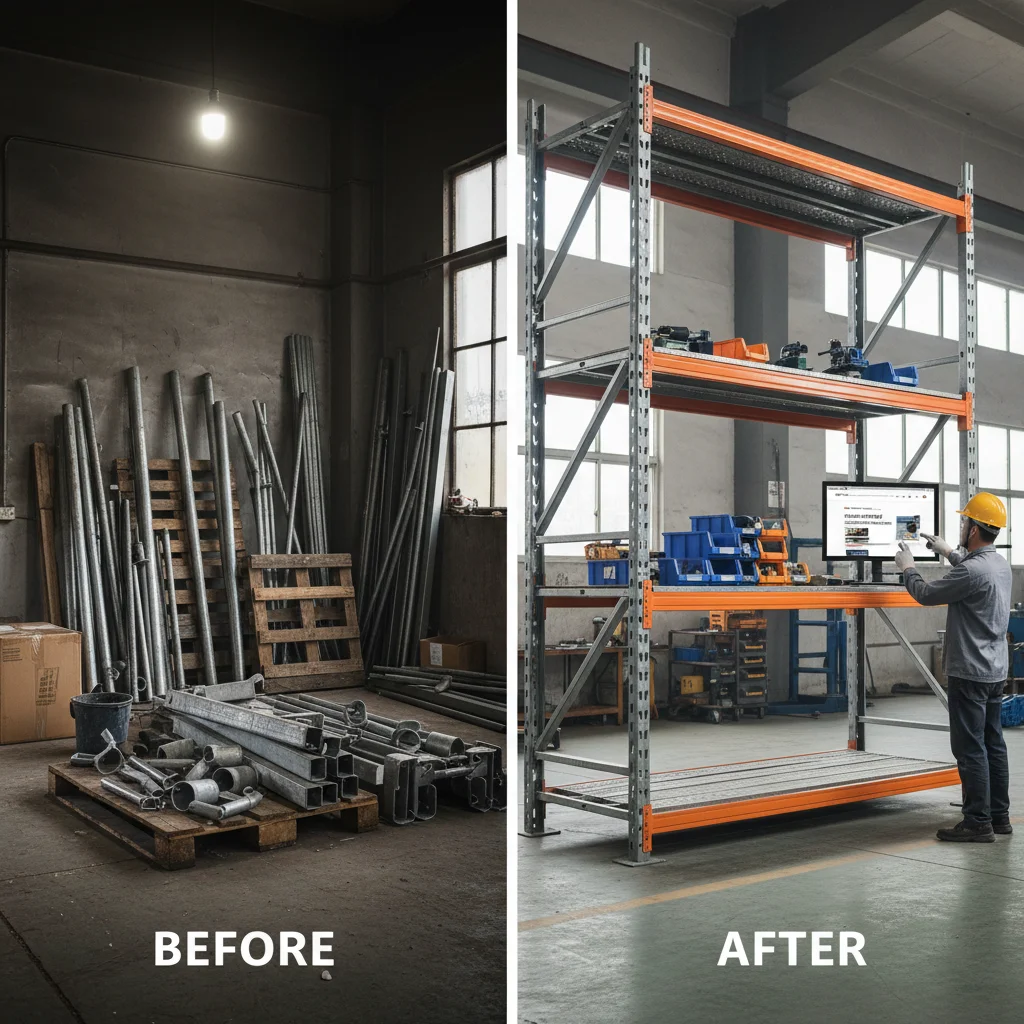
The global construction landscape is undergoing a significant shift toward mechanical splicing systems to enhance structural stability and project efficiency. In this context, the role of a professional adjustable scaffolding prop Factory becomes pivotal, as the demand for high-strength, precision-engineered components grows across high-rise and industrial projects worldwide.
Ensuring the mechanical continuity of steel reinforcement is no longer just an option but a necessity for safety and compliance with international building codes. By leveraging advanced manufacturing processes, industry leaders are replacing traditional lap splicing with sophisticated solutions that reduce material waste and prevent congestion in densely reinforced concrete areas.
From bridges to skyscrapers, the integration of drop-forged components ensures that load transfers are uniform and reliable. Selecting a partner with the expertise of an adjustable scaffolding prop Factory allows contractors to optimize their timelines while maintaining the highest standards of tensile and shear strength.

The Structural Integrity of Drop Forged Couplers
Drop Forged Couplers are engineered to deliver maximum strength and safety in reinforced concrete construction. Unlike standard cast or welded options, the drop forging process aligns the steel’s grain structure, which significantly enhances the coupler’s tensile and shear strength, making it a critical component for high-stress environments.
This high structural integrity is why professionals seeking a reliable adjustable scaffolding prop Factory prioritize forged components. By eliminating internal defects common in casting, these couplers provide a consistent and predictable performance level that is essential for the safety of high-rise structures.
Mechanical Continuity vs Traditional Lap Splicing
Traditional lap splicing requires overlapping two pieces of rebar, which often leads to excessive steel usage and congestion in densely reinforced areas. Drop Forged Couplers solve this by providing direct mechanical continuity, allowing rebars to be connected end-to-end without the need for extended overlaps.
This transition not only reduces the total volume of steel required for a project but also improves the quality of the concrete pour. When rebar congestion is reduced, concrete can flow more easily around the reinforcement, eliminating voids and honeycombing that could otherwise compromise the structure.
For any adjustable scaffolding prop Factory focusing on modern engineering, providing these mechanical splicing systems is key. They ensure uniform load transfer across the connection, maintaining the theoretical design strength of the reinforcement throughout the entire structure.
Installation Efficiency and Versatility
One of the primary operational benefits of using components from a high-quality adjustable scaffolding prop Factory is the ease of installation. These couplers can be quickly attached to threaded or plain rebar ends, which drastically accelerates the on-site assembly process and improves overall construction timelines.
Precision engineering ensures that an adjustable scaffolding prop Factory can produce couplers compatible with a wide range of rebar diameters (from 12mm to 50mm) and various steel grades. This versatility allows engineers to standardize their splicing approach across different sections of a project regardless of the bar size.
Whether utilizing threaded, compression, or wedge designs, the focus remains on reducing the need for specialized tools. This efficiency is particularly valuable in fast-track projects where every hour saved in the reinforcement phase translates to lower overhead costs and faster project delivery.
Durability and Corrosion Resistance Standards
Long-term performance in harsh environmental conditions is achieved through the use of high-strength alloy steel and advanced surface treatments. Most professional grade couplers undergo hot-dip galvanization or are epoxy-coated to prevent oxidation and rust, ensuring they remain structurally sound for the life of the building.
The ability of an adjustable scaffolding prop Factory to meet international standards such as ISO 15835 and ASTM A1034 ensures that these components can withstand extreme weather and chemical exposure, which is vital for coastal or industrial infrastructure.
Performance Ratings of Mechanical Splicing Solutions
Global Applications in Heavy Infrastructure
Mechanical splicing systems are extensively used in the construction of high-rise buildings and bridges where the load requirements are extreme. In these scenarios, the precision of a drop-forged coupler ensures that the tensile strength of the connection is equal to or exceeds the yield strength of the connected rebars.
Beyond urban centers, these solutions are critical for precast concrete elements and industrial platforms. By allowing for seamless connections between precast panels, contractors can assemble massive structures with higher speed and confidence in the overall structural integrity.
Innovations in Mechanical Splicing Technology
The industry is moving toward smarter, more sustainable manufacturing processes. Modern factories are integrating automated forging and CNC machining to ensure that every coupler has perfect dimensional accuracy, reducing the risk of installation errors and improving the safety margin of the project.
Sustainability is also playing a larger role, with a focus on reducing the carbon footprint of steel production. By minimizing the amount of steel required through the elimination of lap splicing, an adjustable scaffolding prop Factory contributes to greener construction practices.
Furthermore, the development of high-strength alloy steels allows for smaller coupler profiles without sacrificing load capacity. This innovation further reduces congestion in the concrete, allowing for even more complex architectural designs in modern reinforced concrete structures.
Comparative Analysis of Coupler Types
Choosing the right coupler depends on the specific needs of the project, ranging from the speed of assembly to the required load capacity. Threaded couplers offer the most secure, torque-based connection, while wedge and compression types are preferred for their rapid installation.
The drop forging process remains the gold standard for all these types, as it ensures the base material is optimized for stress distribution. This makes the products from a specialized adjustable scaffolding prop Factory far superior to cast alternatives.
Ultimately, the choice between a double coupler, swivel coupler, or joint pin depends on the angle and nature of the connection required, with each component playing a specific role in the overarching scaffolding and reinforcement system.
Comparative Specifications of Mechanical Splicing Components
| Component Type |
Manufacturing Process |
Load Capacity |
Primary Application |
| Drop Forged Double |
Drop Forging |
Very High |
High-Rise Columns |
| Drop Forged Swivel |
Drop Forging |
High |
Angular Connections |
| Pressed Coupler |
Cold Pressing |
Medium |
Lightweight Scaffolding |
| Wedge Coupler |
Drop Forging |
High |
Fast-Track Assembly |
| Joint Pin |
Forged/Pressed |
Medium |
Tube Extension |
| Cast Coupler |
Casting |
Low-Medium |
Temporary Supports |
FAQS
Drop forging aligns the steel's grain structure, which significantly increases the tensile and shear strength of the component. This prevents internal defects and porosities that are common in cast products, making forged couplers far more reliable for load-bearing applications in reinforced concrete.
They eliminate the need for lap splicing, which reduces the total amount of rebar steel required for the project. Additionally, they speed up installation times and improve concrete flow, reducing the likelihood of costly repairs due to honeycombing or structural voids.
A professional factory should comply with international standards such as ISO 15835, BS 8666, and ASTM A1034. These certifications ensure that the products have undergone rigorous testing for load capacity, material purity, and dimensional accuracy.
Yes, provided they have the correct surface treatment. Hot-dip galvanization or epoxy coatings are recommended for marine or coastal environments to prevent corrosion and ensure the long-term integrity of the mechanical connection.
Most standard mechanical couplers are designed for rebar sizes ranging from 12mm to 50mm. However, many specialized factories can provide custom sizes to meet the specific requirements of heavy industrial or infrastructure projects.
Secure installation requires proper alignment of the rebars and the application of a specific torque value as per the manufacturer's guidelines. Using a calibrated torque wrench ensures that the connection is tight enough to transfer loads effectively without overstressing the threads.
Conclusion
The shift toward high-performance mechanical splicing systems represents a critical evolution in construction safety and efficiency. By prioritizing drop-forged components over traditional lap splicing or cast alternatives, engineers can achieve superior structural integrity, reduced material waste, and significantly faster project timelines. The synergy between advanced alloy steel and precision forging ensures that modern infrastructure can meet the demanding load requirements of the 21st century.
As the industry moves toward greener and more automated construction, partnering with a certified adjustable scaffolding prop Factory is essential for maintaining a competitive edge. Investing in high-quality, corrosion-resistant mechanical connectors not only secures the physical structure but also provides long-term economic value through durability and reliability. For more information on premium splicing solutions, visit our website: www.sheenmetalscaffold.com.