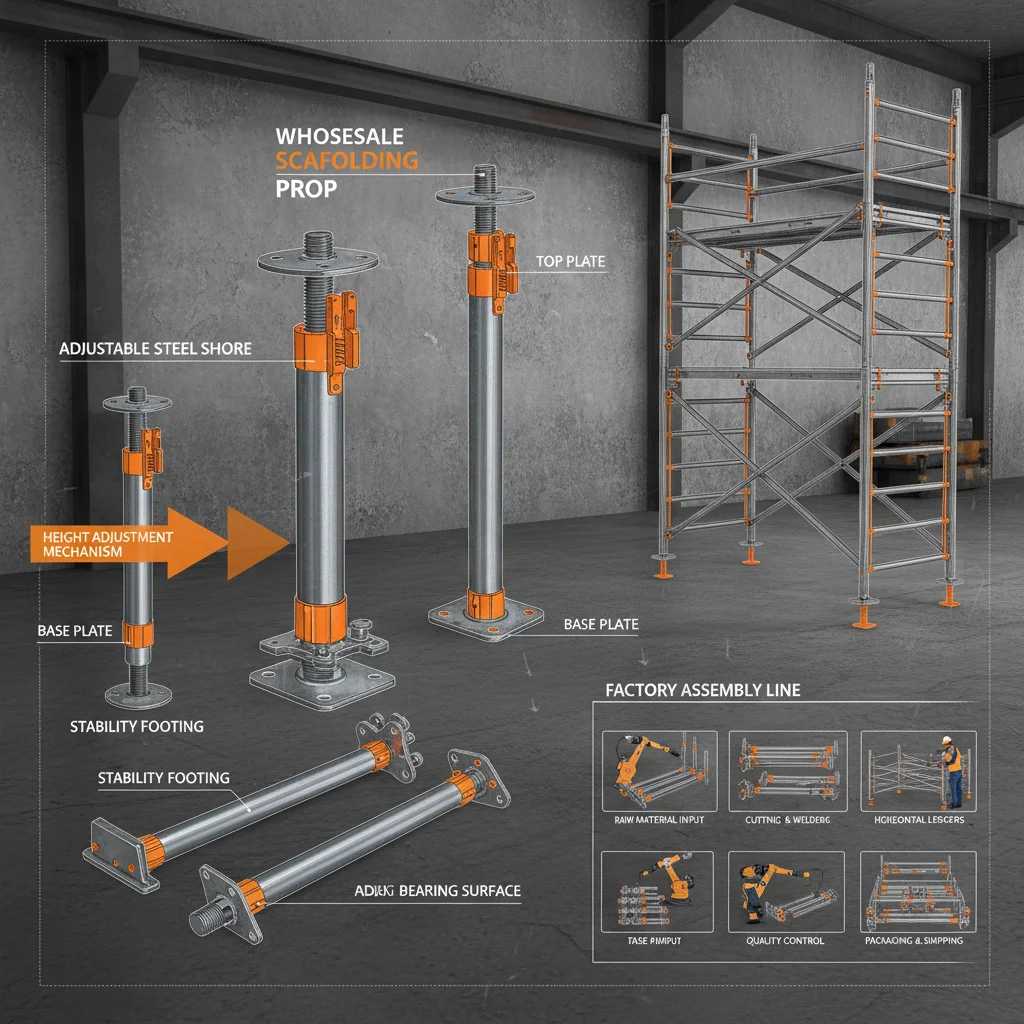
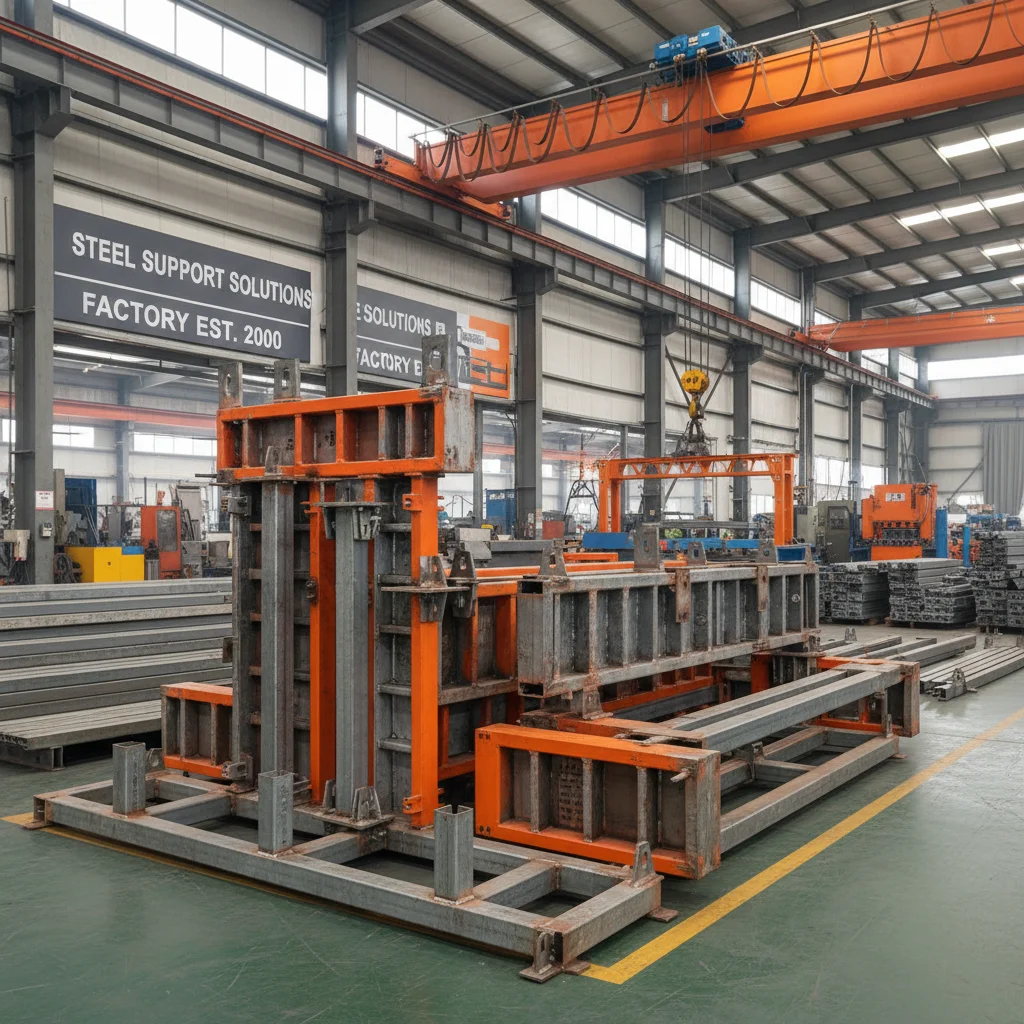
Selecting a reliable scaffolding tripod Factory is a critical decision for construction firms and industrial contractors globally. A tripod system provides the essential stability required for suspended platforms and specialized lifting operations, ensuring that workers can operate at heights with maximum security and efficiency. By partnering with a specialized manufacturer, companies can ensure that every component meets rigorous structural standards and safety certifications.
The global demand for high-quality access solutions has surged as urban infrastructure projects become more complex. A professional scaffolding tripod Factory does more than just bend steel; it engineers safety. From implementing advanced welding techniques to utilizing high-grade galvanized steel, the manufacturing process is designed to withstand extreme environmental pressures, preventing catastrophic failures on the job site.
Understanding the intricacies of tripod manufacturing allows procurement managers to balance cost-efficiency with uncompromising safety. Whether the project involves intricate building restoration or heavy industrial maintenance, the stability provided by a factory-certified tripod system reduces downtime and minimizes risk. This guide explores the technical and commercial landscape of sourcing from a premier scaffolding tripod Factory to optimize your site operations.
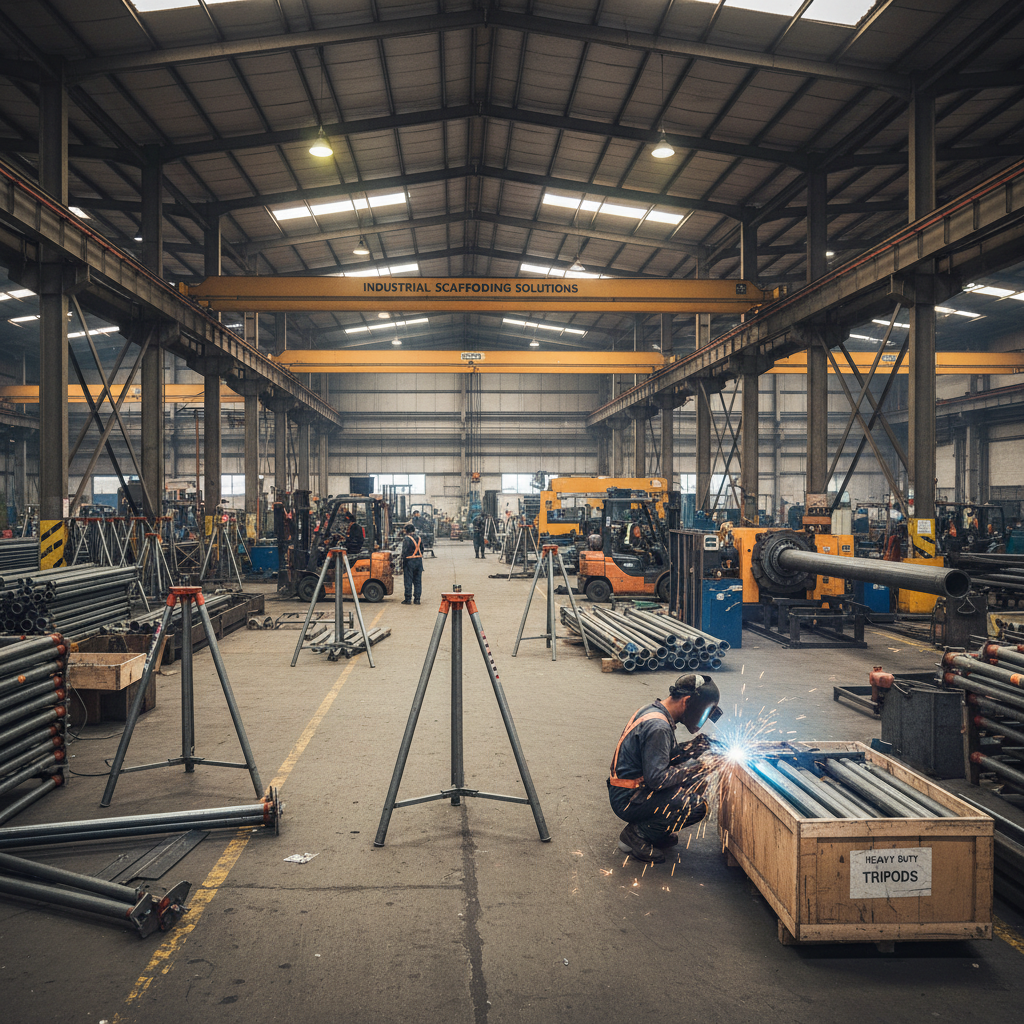
Global Industry Standards for Tripod Manufacturing
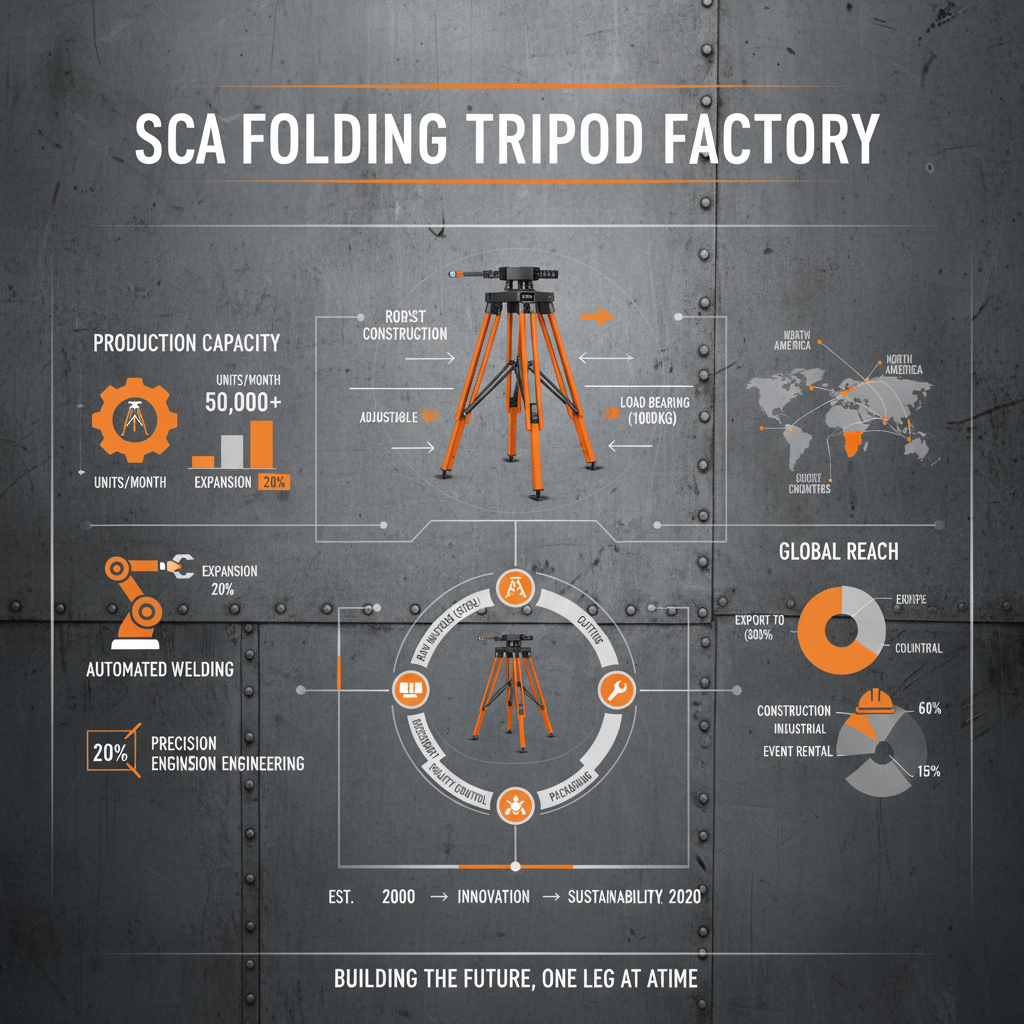
In the contemporary construction landscape, a scaffolding tripod Factory must adhere to stringent international standards such as ISO 9001 and EN 12811 to remain competitive. These certifications ensure that the raw materials used—typically high-tensile carbon steel—are tested for yield strength and fatigue resistance. The global shift toward safer worksites has forced manufacturers to move beyond basic assembly, integrating precision engineering to ensure that every tripod leg and joint can handle specified load-bearing capacities without deformation.
Furthermore, the integration of galvanized coatings has become a non-negotiable standard for any reputable factory. By applying a hot-dip zinc coating, the products are shielded from corrosion, which is a primary cause of structural failure in humid or coastal environments. This commitment to quality not only protects the worker but also extends the lifecycle of the equipment, providing a higher return on investment for construction firms across North America, Europe, and Asia.
Defining the Role of a Modern Scaffolding Tripod Factory
At its core, a scaffolding tripod Factory is a specialized manufacturing facility dedicated to producing three-legged support systems designed to hold suspended platforms, hoists, or heavy equipment. Unlike standard frame scaffolding, tripod systems are engineered for point-load distribution, allowing for temporary but incredibly stable vertical supports in areas where traditional scaffolding footprints are too large or impractical.
The role of the factory extends into the realm of humanitarian and industrial urgency. In post-disaster recovery or rapid industrial expansion, these tripod systems allow for the quick deployment of lifting points to move debris or install heavy machinery. The ability of a factory to produce modular, collapsible tripods means that safety equipment can be transported to remote regions with ease, bridging the gap between emergency response and structural stability.
Modern factories now integrate CAD (Computer-Aided Design) and FEA (Finite Element Analysis) to simulate stress points before a single piece of steel is cut. This evolution transforms the factory from a simple workshop into an engineering hub, ensuring that the final product delivered to the client is optimized for the specific weight and environmental variables of their project, whether it's for high-rise maintenance or underground mining supports.
Core Technical Components and Durability Factors
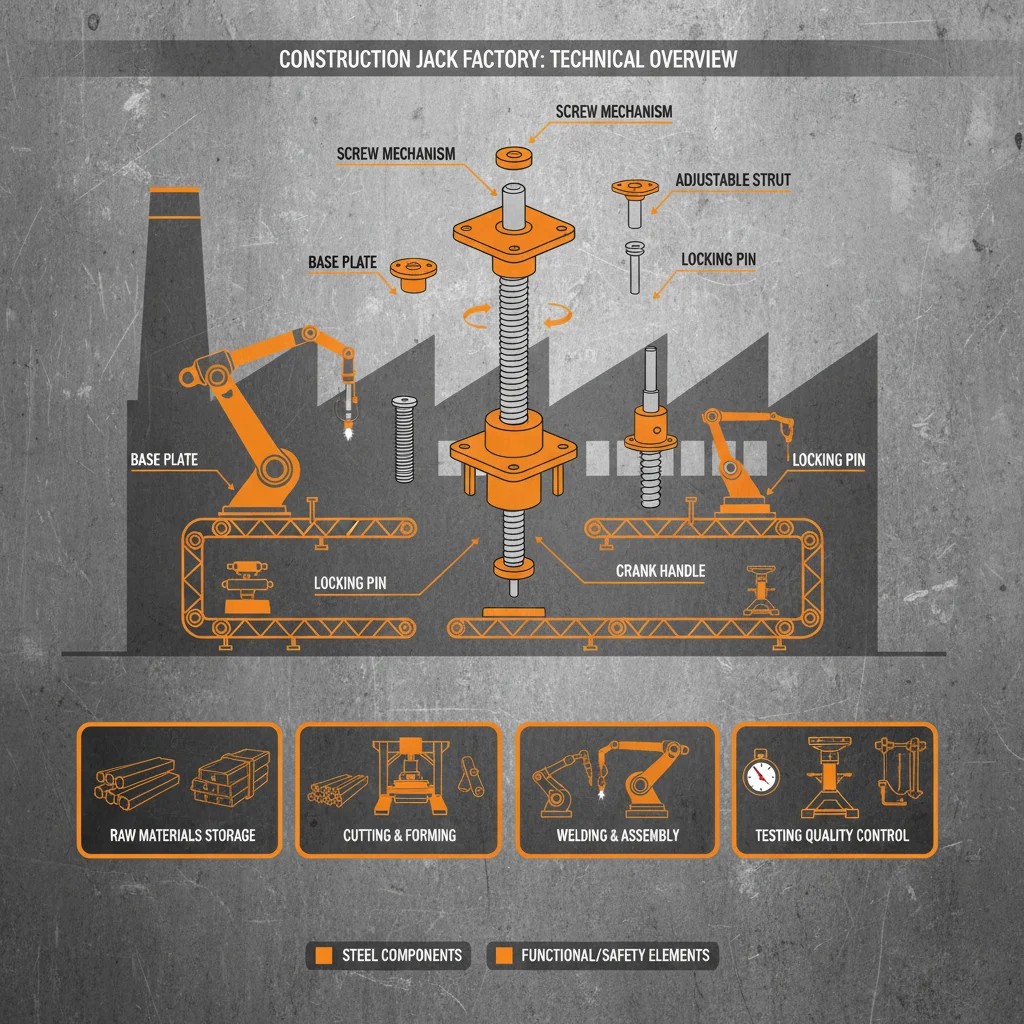
The structural integrity of a system from a scaffolding tripod Factory relies heavily on the quality of the joint connectors and the wall thickness of the tubing. High-grade seamless steel pipes are preferred to prevent leaks or structural weaknesses that can occur in welded seams. Precision-machined locking pins ensure that once the tripod is deployed, it remains locked in position regardless of the lateral forces applied during operation.
Durability is further enhanced through the use of reinforced base plates. A leading scaffolding tripod Factory focuses on the "footprint" of the tripod, ensuring that the base plates distribute the load effectively across uneven terrain. This prevents the tripod from sinking or shifting, which is the most common cause of instability in field applications.
Lastly, the integration of the head-hoist attachment point is where the highest engineering precision is required. This component must be perfectly centered to avoid eccentric loading, which could cause the tripod to tilt. By utilizing robotic welding and ultrasonic testing, factories ensure that the apex of the tripod can support the combined weight of the load and the dynamic forces of the lifting mechanism.
Performance Metrics in Scaffolding Stability
Evaluating the output of a scaffolding tripod Factory requires a look at specific performance metrics, including Load-to-Weight ratio, Deployment Speed, and Lateral Displacement resistance. A high-performance tripod provides maximum lift capacity while remaining light enough for a small crew to assemble without heavy machinery. This balance is achieved through the strategic use of alloy steels and optimized geometry.
Moreover, the reliability of the locking mechanisms directly impacts site productivity. When a tripod can be secured in seconds without compromising safety, the overall project timeline is shortened. Professional factories conduct rigorous "drop tests" and "load-stress tests" to ensure that their products maintain a safety factor of at least 4:1, meaning the tripod can technically support four times its rated capacity before failure.
Stability and Efficiency Ratings by Factory Method
Global Applications and Use Cases
Products from a scaffolding tripod Factory are utilized in diverse environments across the globe. In the oil and gas sector, specifically in the Middle East and North Sea regions, these tripods are used to hoist heavy valves and pipe segments in confined spaces where cranes cannot reach. Their compact footprint makes them ideal for offshore platforms where every square inch of deck space is critical.
In urban centers like New York or Tokyo, tripod systems are indispensable for facade maintenance and the installation of HVAC systems on heritage buildings. Because they do not require the extensive base-work of a full frame scaffold, they minimize sidewalk closures and public disruption. Additionally, in disaster-relief zones, modular tripods are used by NGOs to stabilize temporary structures or lift heavy salvage materials, proving that the value of a tripod factory's output extends far beyond commercial profit into essential social utility.
Long-Term Value and Safety Advantages
The long-term value of investing in equipment from a certified scaffolding tripod Factory is reflected in the reduction of insurance premiums and site accidents. When a company can prove that its lifting equipment is manufactured to international safety standards, it lowers its risk profile. This logical approach to safety is paired with the emotional peace of mind that comes from knowing workers are supported by a fail-safe system.
From a sustainability perspective, high-quality tripod systems are designed for a multi-decade lifespan. Rather than replacing cheap, low-grade steel supports every few years, firms can maintain and refurbish professional-grade equipment. This reduces the total cost of ownership and minimizes the environmental impact associated with the production of new steel.
Furthermore, the versatility of tripod systems allows them to be integrated with other products such as Scaffolding Caster Wheels for mobility or Scaffolding Screw Jacks for height adjustment. This interoperability ensures that the tripod remains a core part of the equipment fleet, adapting to various project requirements without needing a complete system overhaul.
Future Innovations in Scaffolding Engineering
The next generation of the scaffolding tripod Factory is moving toward the adoption of lightweight aerospace alloys and composite materials. By incorporating carbon-fiber reinforced polymers in non-load-bearing sections, manufacturers can significantly reduce the weight of the tripod without compromising its strength. This transition will make rapid deployment even faster and reduce the physical strain on assembly crews.
Digital transformation is also making its mark through the integration of IoT (Internet of Things) sensors. Future tripods may feature embedded strain gauges that provide real-time data to a site manager's smartphone, alerting them if the tripod is approaching its maximum load capacity or if it has shifted out of alignment. This proactive approach to safety transforms the tripod from a passive tool into an active safety monitor.
Finally, the industry is pivoting toward "Green Manufacturing." Modern factories are implementing closed-loop recycling systems for steel scrap and utilizing solar-powered forging plants. This ensures that the production of essential safety equipment does not come at the cost of the environment, aligning the construction industry with global ESG (Environmental, Social, and Governance) goals.
Comparative Analysis of Tripod Manufacturing Specifications
| Material Grade |
Weight Capacity |
Corrosion Resistance |
Deployment Time |
| Q235 Standard Steel |
500kg - 1000kg |
Moderate (Paint) |
15-20 Mins |
| Q345 High-Tensile |
1000kg - 2500kg |
High (Galvanized) |
10-15 Mins |
| Alloy Steel A36 |
1500kg - 3000kg |
Very High (HDG) |
8-12 Mins |
| Reinforced Aluminum |
300kg - 800kg |
Excellent (Anodized) |
5-8 Mins |
| Custom Alloy X-Series |
3000kg+ |
Maximum (Ceramic) |
12-18 Mins |
| Hybrid Composite |
800kg - 1500kg |
Immune to Rust |
5-10 Mins |
FAQS
You should request the factory's ISO 9001 certification and product-specific test reports from accredited third-party laboratories (such as SGS or TÜV). A reputable factory will provide Mill Test Certificates (MTC) for the steel used, confirming its grade and yield strength, as well as a Load Test Certificate verifying the maximum weight the tripod can safely support before any structural deformation occurs.
Galvanized tripods are dipped in molten zinc, creating a chemical bond that protects the steel from the inside out, making them ideal for outdoor, humid, or coastal sites. Painted tripods use a surface layer of powder or liquid paint, which is more cost-effective but prone to chipping and scratching. Once the paint is compromised, the steel is exposed to oxygen and moisture, leading to rust and potential structural failure over time.
Yes, but it requires specific accessories. A professional scaffolding tripod Factory designs systems that can be paired with adjustable screw jacks or specialized base plates. It is critical to ensure that the load remains centered; if the ground is significantly uneven, the use of sole boards or timber padding is recommended to distribute the weight evenly and prevent the tripod legs from sinking or sliding.
When sourced from a high-quality factory and maintained correctly, a galvanized steel tripod can last between 15 to 25 years. Lifespan depends on the environment and usage frequency. Regular inspections for weld cracks, corrosion, and pin wear are essential. Following a standard maintenance schedule—such as cleaning and lubricating locking points—can extend the utility of the equipment significantly.
Modern engineering has closed the gap. Collapsible tripods from a specialized factory use high-precision locking collars and reinforced joints that, when properly engaged, provide stability equal to fixed frames. The trade-off is usually a slight decrease in absolute maximum load capacity for the sake of mobility and storage efficiency, but for 95% of construction applications, they are more than sufficient.
Importing requires verifying the HS Code for metal scaffolding and ensuring the manufacturer provides all necessary customs documentation and certificates of origin. We recommend working with a factory that offers integrated logistics support, including sea-worthy packaging and insurance, to ensure that the heavy steel components arrive without damage and clear customs efficiently.
Conclusion
In summary, sourcing from a professional scaffolding tripod Factory is an investment in both site productivity and human safety. By focusing on certified materials, precision engineering, and corrosion-resistant coatings, businesses can secure a stable foundation for their most challenging lifting and access tasks. The integration of high-grade steel, rigorous testing, and modular design ensures that these systems provide long-term value across diverse global applications, from urban skyscrapers to remote industrial zones.
Looking forward, the shift toward smart materials and IoT-enabled monitoring will further redefine the standards of structural safety. We encourage procurement officers and site managers to prioritize quality over initial cost, as the long-term benefits of durability and risk reduction far outweigh the savings of low-grade alternatives. For those seeking industry-leading stability and reliability, we invite you to explore our comprehensive range of access solutions. Visit our website: www.sheenmetalscaffold.com