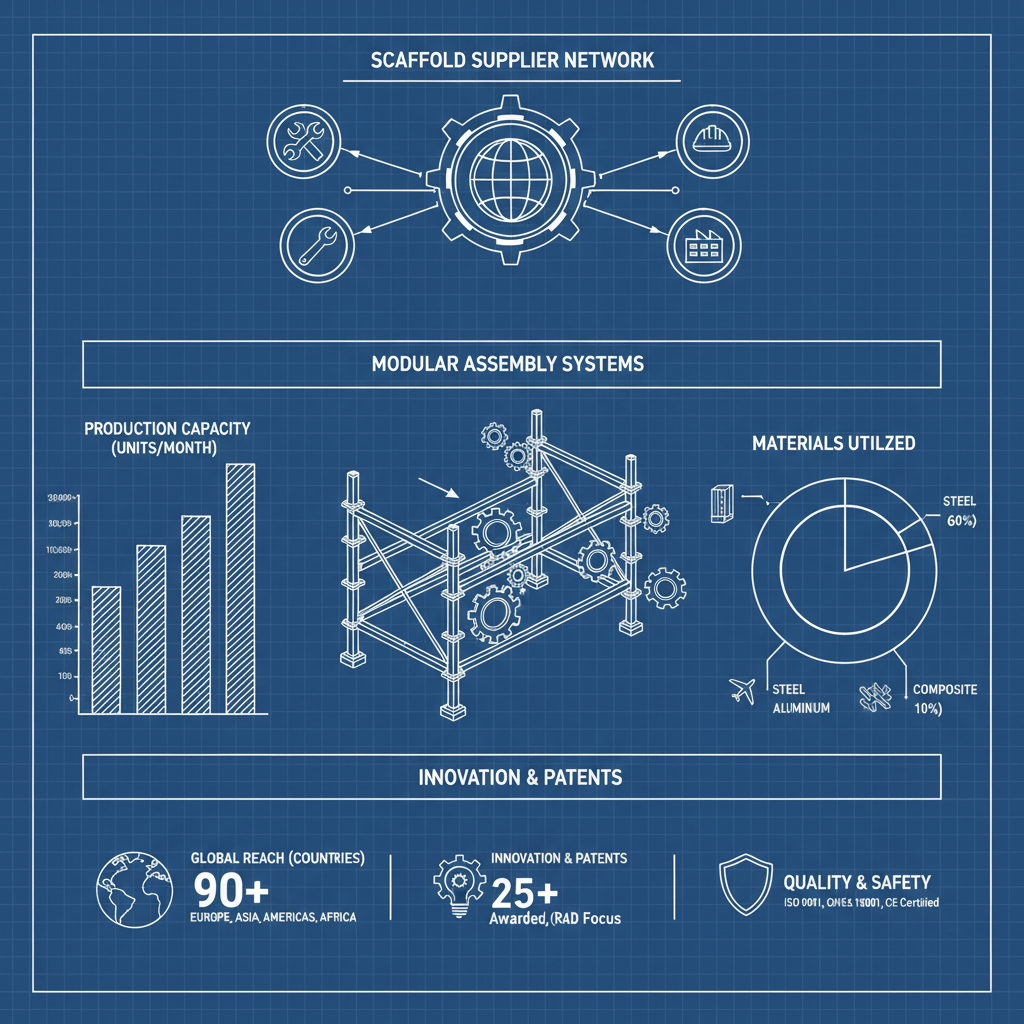
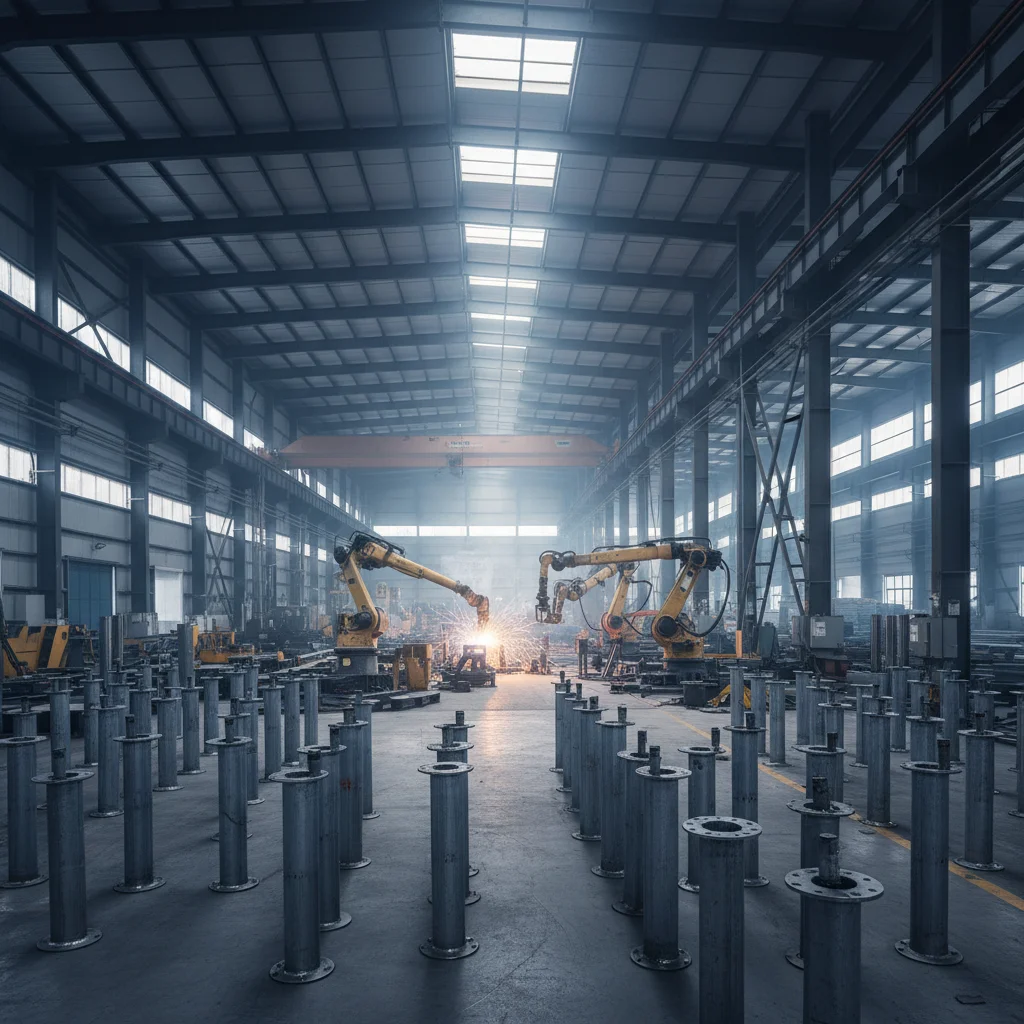
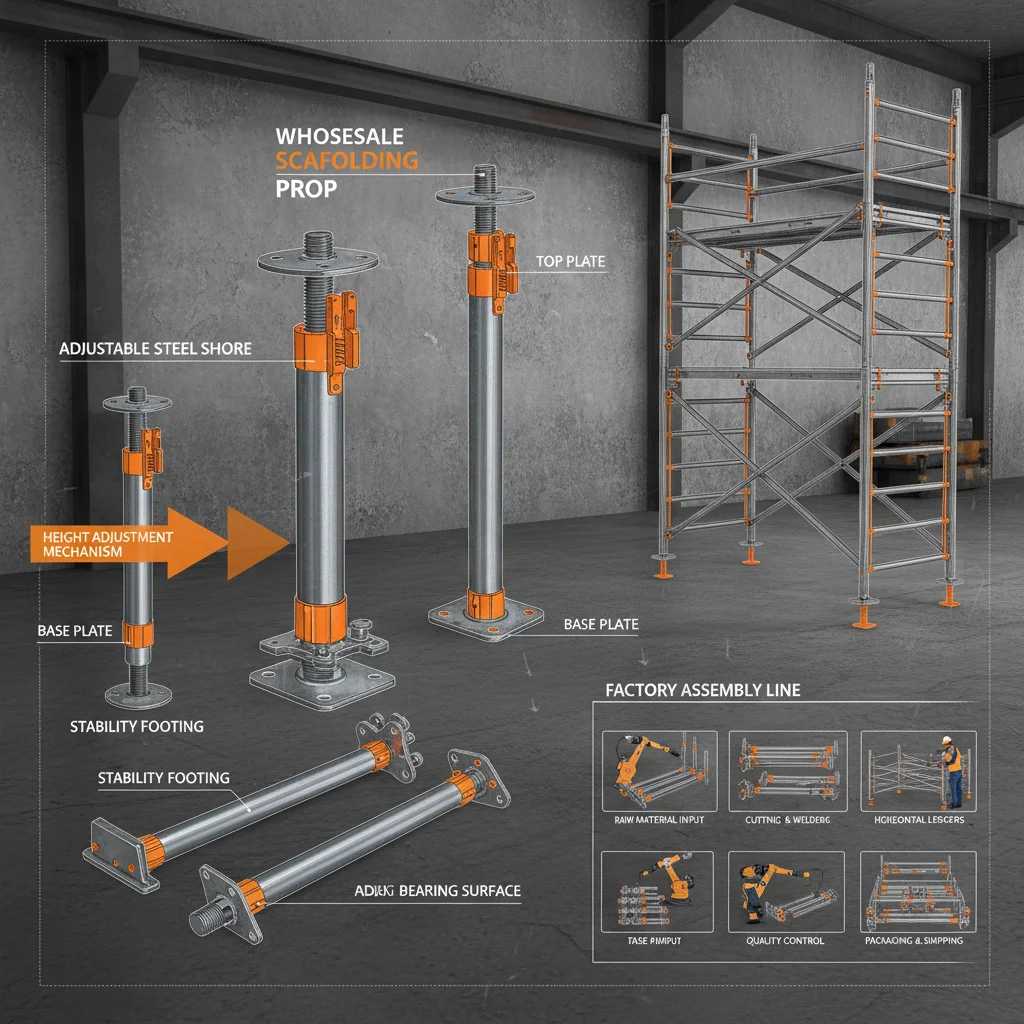
Scaffold suppliers play a critical role in modern construction and infrastructure development globally. They are essential for providing safe access and working platforms for various tasks, from building skyscrapers to maintaining bridges. The demand for reliable and innovative scaffold solutions is constantly increasing, driven by urbanization, infrastructure investment, and a growing focus on worker safety. A trusted scaffold Supplier ensures projects are completed efficiently and safely, minimizing downtime and potential hazards.
The global scaffold market is a multi-billion dollar industry, significantly impacted by regional construction booms and stringent safety regulations. Countries with rapid economic growth, such as those in Asia-Pacific and the Middle East, represent substantial markets for scaffold suppliers. Increasingly, there's a demand not just for the physical structures, but for comprehensive services including design, installation, inspection, and training. Choosing the right scaffold supplier impacts project timelines and overall success.
Understanding the nuances of scaffold supply – from material science and engineering to logistical challenges and regulatory compliance – is paramount for anyone involved in construction, maintenance, or related industries. High-quality scaffold systems contribute to project efficiency, safety, and durability, ultimately saving time and resources and delivering better outcomes. Selecting a competent scaffold supplier is a strategic investment, impacting a project's entire lifecycle.
The Importance of a Reliable Scaffold Supplier
A dependable scaffold supplier isn't merely a provider of materials; they are a critical partner in ensuring project safety and efficiency. The quality of the scaffold directly impacts the ability of workers to perform their tasks safely, influencing project timelines and budgets. A supplier committed to rigorous quality control, regular inspections, and adherence to industry standards is essential.
Choosing a supplier with a proven track record, comprehensive inventory, and responsive customer service can significantly mitigate project risks. They should be able to provide tailored solutions to meet specific project needs, offer expert advice, and ensure timely delivery of materials to the job site. A reliable scaffold supplier understands the importance of minimizing downtime and maximizing productivity.
Defining Scaffold Supply
Scaffold supply encompasses the provision of temporary structures used to support workers and materials during construction, maintenance, and repair activities. This includes not just the physical scaffold components—tubes, couplings, boards, brackets—but also the associated services of design, erection, dismantling, and inspection. A comprehensive scaffold supplier often handles the entire process, ensuring compliance with safety regulations.
Modern scaffold supply extends beyond traditional steel and aluminum systems to include modular systems, mobile towers, and specialized access solutions. The scope often includes providing training to workers on safe scaffold usage and conducting regular site inspections to identify and address any potential hazards. Selecting the correct scaffold supplier requires understanding project demands.
The purpose of scaffold supply is to create a safe and productive working environment at height. It's an integral part of any project involving work above ground level, enabling workers to reach difficult areas and perform tasks efficiently. Effective scaffold provision contributes to improved project outcomes and reduced risk of accidents.
Key Attributes of a Quality Scaffold Supplier
Several key attributes define a high-quality scaffold supplier. First and foremost is a commitment to safety, demonstrated through adherence to industry standards (like OSHA in the US, or EN 12811 in Europe) and a robust safety management system. This includes regular inspections, maintenance programs, and employee training.
Secondly, a reliable supplier boasts a comprehensive inventory of scaffold systems to meet diverse project requirements. This includes various types of scaffolds—frame scaffolds, system scaffolds, mobile towers—and a range of accessories. Furthermore, their ability to provide customized solutions, design services, and quick turnaround times are crucial.
Finally, a reputable scaffold supplier prioritizes customer service, offering responsive support, technical expertise, and clear communication throughout the project lifecycle. They should be able to provide detailed quotes, prompt delivery, and ongoing assistance to ensure a seamless experience.
Global Applications of Scaffold Systems
Scaffold systems are ubiquitous in construction, but their applications extend far beyond building new structures. They are vital for maintenance and repair work on bridges, dams, power plants, and other critical infrastructure. scaffold suppliers serve diverse industries globally, adapting their solutions to specific needs.
In the oil and gas industry, specialized scaffolds are used for constructing and maintaining offshore platforms and refineries. The aerospace industry relies on scaffolds for aircraft maintenance and repair. In post-disaster relief operations, mobile scaffolds and temporary structures provide essential support for emergency response teams.
Scaffold System Utilization by Industry
Advantages and Value Proposition
The advantages of utilizing a professional scaffold supplier are multi-faceted. Beyond the obvious safety benefits, a well-maintained and properly erected scaffold system boosts worker productivity, leading to faster project completion times and reduced labor costs.
The value proposition extends to minimizing potential delays caused by accidents or equipment failures. Investing in quality scaffolds and reliable service ultimately translates to improved project ROI. A reputable supplier also offers peace of mind, knowing that all safety regulations are being met.
Future Trends in Scaffold Supply
The scaffold industry is experiencing a technological shift towards greater automation and digitalization. Drones are increasingly used for scaffold inspection, providing real-time data and reducing the need for manual climbs. Building Information Modeling (BIM) is being integrated into scaffold design, enabling more accurate planning and clash detection.
Furthermore, there’s a growing demand for sustainable scaffold solutions, with manufacturers exploring lighter-weight materials and eco-friendly coatings. The integration of smart sensors within scaffold systems will provide real-time data on load distribution, stability, and environmental conditions, further enhancing safety and efficiency. Choosing a forward-thinking scaffold supplier ensures access to these innovations.
Prefabricated and modular scaffold systems are also gaining popularity, allowing for faster erection and dismantling times, particularly in urban environments with limited space. These trends point towards a more efficient, safer, and sustainable future for the scaffold industry.
Addressing Challenges in Scaffold Provision
Despite advancements, the scaffold industry faces ongoing challenges. Logistical complexities, particularly in remote or congested sites, can create delays and increase costs. Ensuring consistent quality control across large projects and managing inventory efficiently are also significant hurdles.
A critical challenge is maintaining a skilled workforce capable of safely erecting, dismantling, and inspecting scaffolds. Investing in comprehensive training programs and promoting a strong safety culture are essential. Utilizing digital platforms for scaffold management, including inventory tracking and inspection reports, can also help overcome these obstacles.
Choosing a scaffold supplier who actively addresses these challenges – through innovative solutions, skilled personnel, and a commitment to continuous improvement – is crucial for project success.
Summary of Key Challenges and Solutions in Scaffold Provision
| Challenge Area |
Impact on Project |
Potential Solutions |
Supplier Role |
| Logistics & Transportation |
Delays, Increased Costs |
Optimized Routing, Just-in-Time Delivery |
Efficient Fleet Management, Proactive Planning |
| Skill Gap & Training |
Safety Risks, Poor Erection Quality |
Comprehensive Training Programs, Certification |
Providing Certified Installers, Safety Training |
| Quality Control |
Structural Integrity Issues, Accidents |
Regular Inspections, Material Testing |
Implementing Strict QA/QC Procedures |
| Inventory Management |
Material Shortages, Project Delays |
Digital Inventory Systems, Demand Forecasting |
Maintaining a Large and Accessible Inventory |
| Regulatory Compliance |
Fines, Project Shutdowns |
Staying Updated on Regulations, Documentation |
Ensuring Compliance with all Relevant Standards |
| Emergency Response |
Project Stoppages, Safety Concerns |
Rapid Deployment Capabilities, 24/7 Support |
Providing Emergency Scaffold Services |
FAQS
When selecting a scaffold supplier, prioritize safety certifications, a comprehensive inventory, experience with similar projects, responsive customer service, and competitive pricing. A reputable supplier will provide detailed quotes, adhere to industry standards, and offer ongoing support throughout the project. Ensure they have a strong track record and can demonstrate a commitment to quality and safety.
Scaffolding should be inspected before each shift, after any modifications, and following adverse weather conditions. These inspections should be conducted by a competent person who is trained to identify potential hazards. Thorough documentation of inspections is crucial for maintaining a safe working environment and complying with safety regulations. Regular inspections help prevent accidents and ensure the structural integrity of the scaffold.
Common scaffold systems include frame scaffolds, system scaffolds, mobile scaffolds (rolling towers), tube and coupler scaffolds, and suspended scaffolds. The best type for a project depends on the specific requirements, such as height, load capacity, and site conditions. A knowledgeable scaffold supplier can help you select the most appropriate system for your needs.
Workers who erect, dismantle, alter, or use scaffolds must receive comprehensive safety training. This training should cover topics such as hazard identification, fall protection, proper erection procedures, load capacity limits, and inspection requirements. Regular refresher training is also essential to ensure ongoing competency and awareness of safety best practices.
Yes, many reputable scaffold suppliers offer scaffold design services. They can create detailed plans tailored to your project’s specific needs, ensuring structural integrity and compliance with safety regulations. This service can save you time and resources and minimize the risk of errors or delays.
Using certified scaffolding guarantees that the materials have been tested and meet strict safety standards. Certification ensures that the scaffold is structurally sound and capable of supporting the intended loads. This reduces the risk of accidents and injuries, protecting workers and ensuring project success. Always verify that your scaffold supplier provides certified products.
Conclusion
In conclusion, a reliable scaffold supplier is far more than just a vendor; they are a critical partner in ensuring project safety, efficiency, and success. From meticulous quality control and comprehensive inventory to expert design services and proactive safety training, a reputable supplier delivers significant value throughout the project lifecycle. Prioritizing these attributes is essential for mitigating risks and achieving optimal outcomes.
Looking ahead, embracing innovative technologies and sustainable practices will be crucial for the future of the scaffold industry. By partnering with a forward-thinking supplier committed to continuous improvement, organizations can stay ahead of the curve and unlock new levels of efficiency and safety. Visit our website today at www.sheenmetalscaffold.com to learn more about how we can support your project needs.