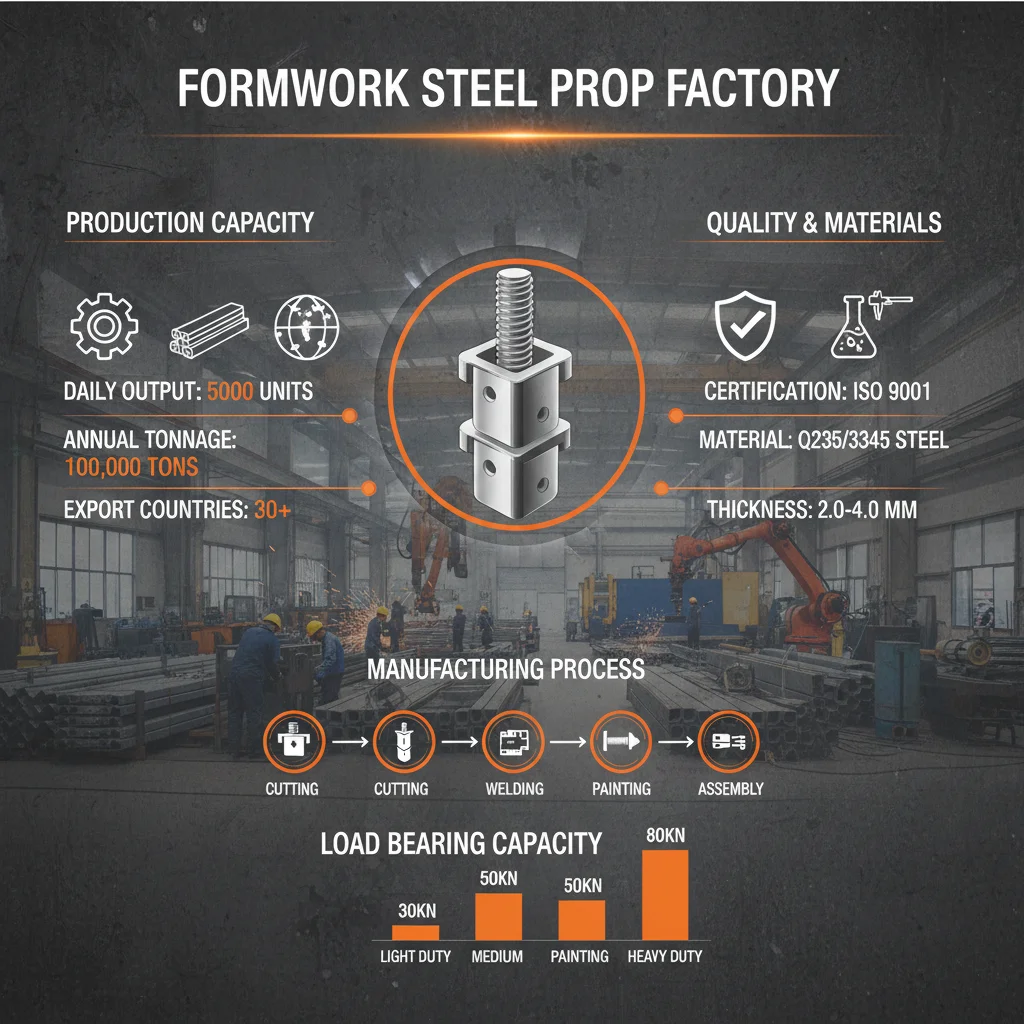
Shoring scaffolding prop Factories play a critical role in modern construction and infrastructure development globally. These factories specialize in the manufacturing of essential support systems that ensure safety and stability during building projects, maintenance, and repairs. The demand for high-quality, reliable shoring props is constantly increasing alongside urbanization and infrastructure investments worldwide, driving innovation and growth in this specialized manufacturing sector. Understanding the intricacies of shoring scaffolding prop Factory production, quality control, and logistical capabilities is paramount for construction companies, safety professionals, and regulatory bodies.
The global construction industry, valued at trillions of dollars, heavily relies on robust shoring systems. According to the United Nations, the world population is projected to reach 9.7 billion by 2050, necessitating significant investment in housing, transportation, and infrastructure. This growth directly fuels the demand for shoring scaffolding prop Factories capable of meeting increasingly complex project requirements. Furthermore, stringent safety regulations, driven by organizations like the ISO, emphasize the need for certified and reliable equipment, placing a premium on factories that adhere to international quality standards.
The availability of efficient and dependable shoring scaffolding prop Factories is essential for mitigating risks associated with construction activities. These factories not only provide vital equipment but also contribute to overall project timelines, cost-effectiveness, and worker safety. The industry’s ability to adapt to evolving construction techniques and material science hinges on the capabilities of these specialized manufacturers.
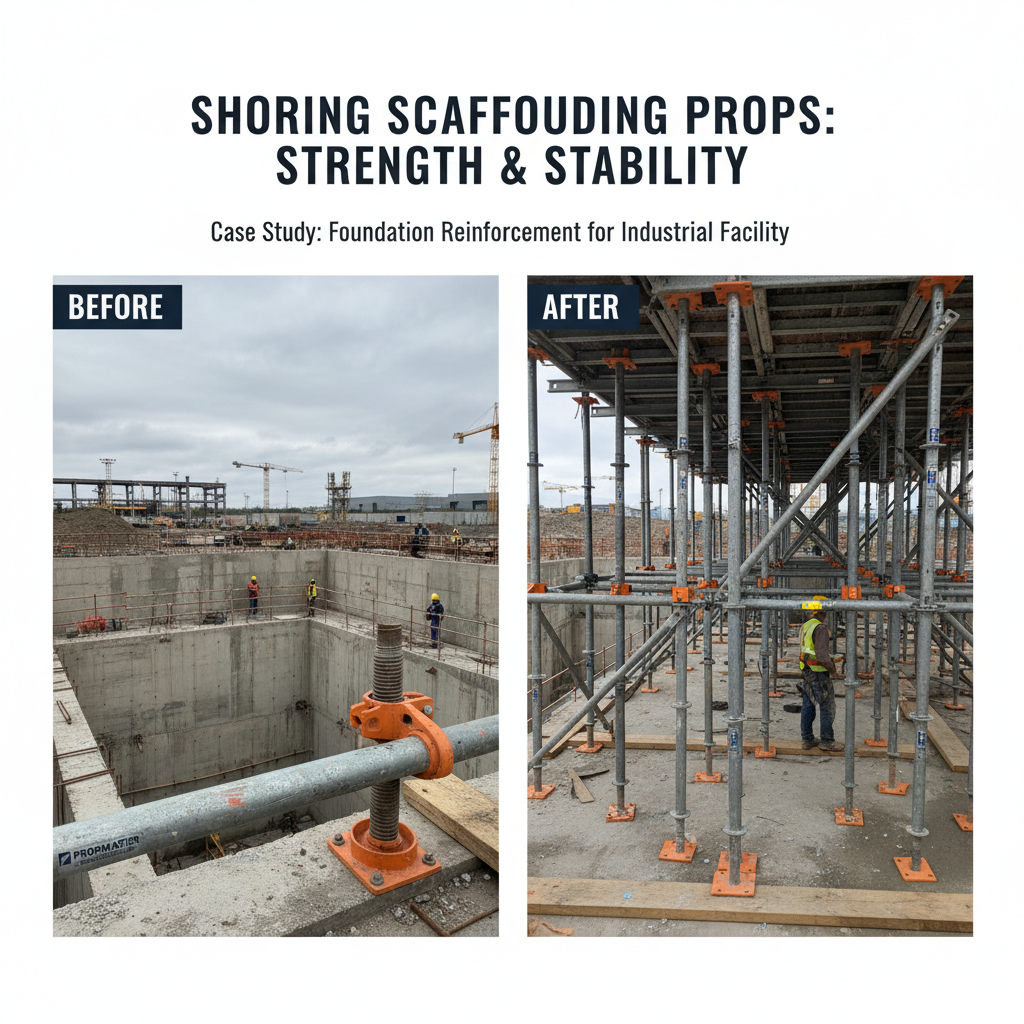
The Importance of Shoring Scaffolding Prop Factories
The modern construction landscape demands increasingly sophisticated support systems. Shoring scaffolding prop Factories are at the forefront of providing the equipment necessary to ensure project safety and efficiency. These factories don't simply manufacture components; they engineer solutions tailored to a wide range of structural challenges, from temporary support during renovations to the complete stabilization of large-scale construction projects.
The significance of these factories extends beyond the immediate construction site. A reliable supply of high-quality shoring props is integral to minimizing project delays, reducing labor costs, and ultimately, protecting lives. Investing in dependable shoring systems is an investment in the overall success and sustainability of construction ventures.
Defining Shoring Scaffolding Prop Factories
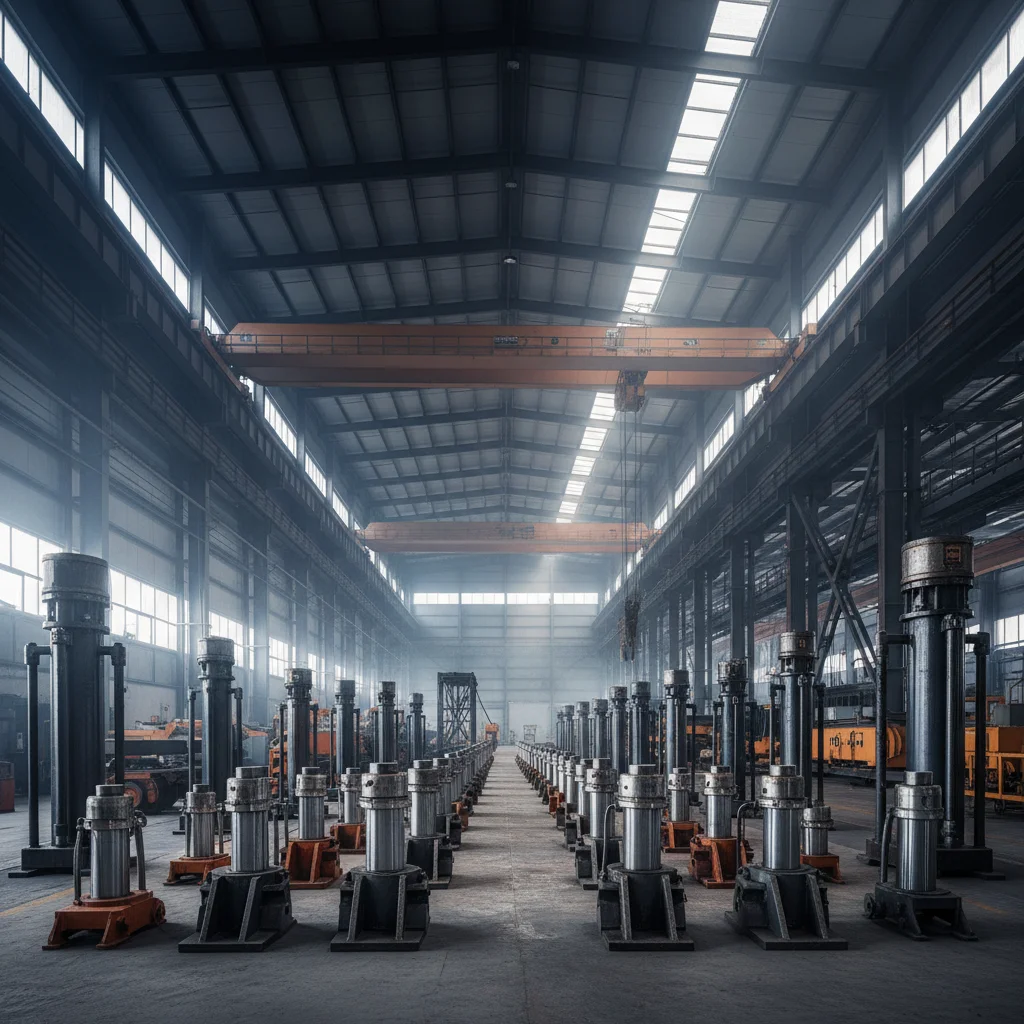
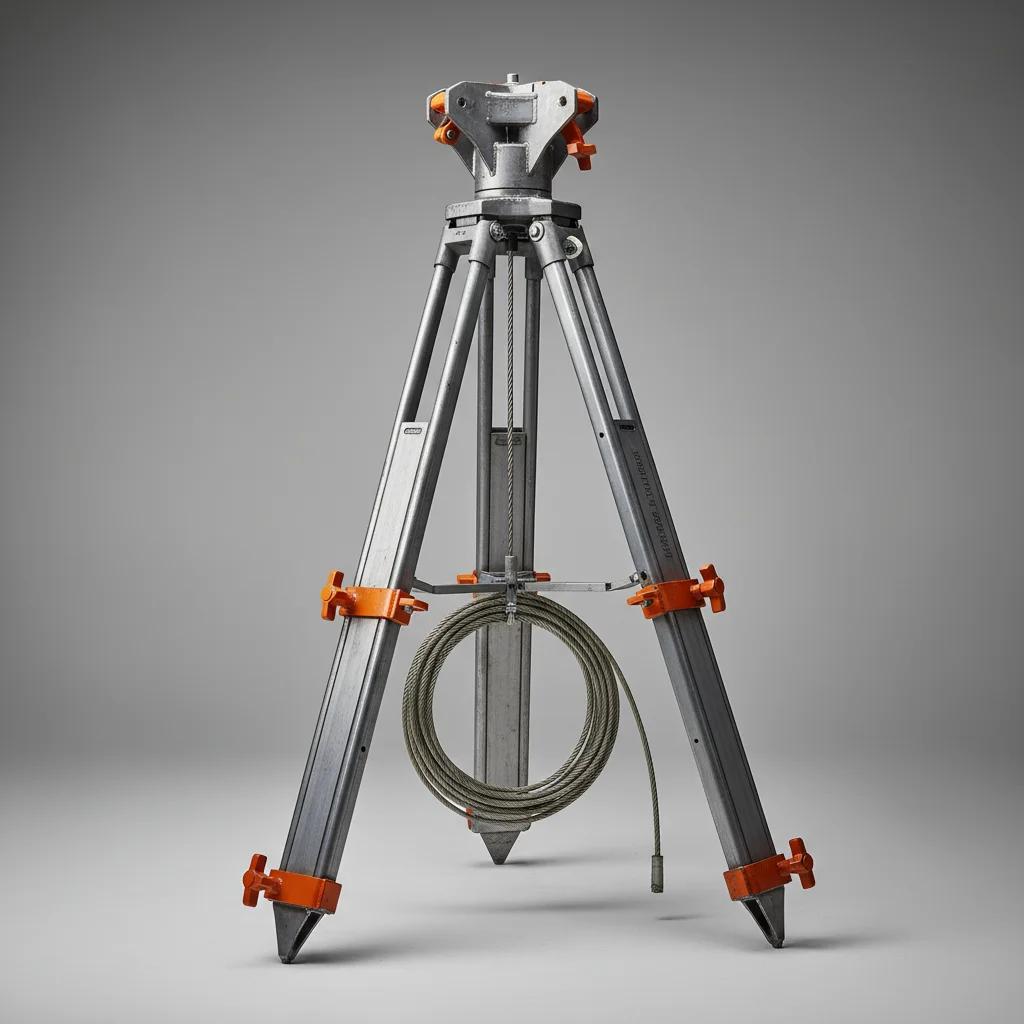
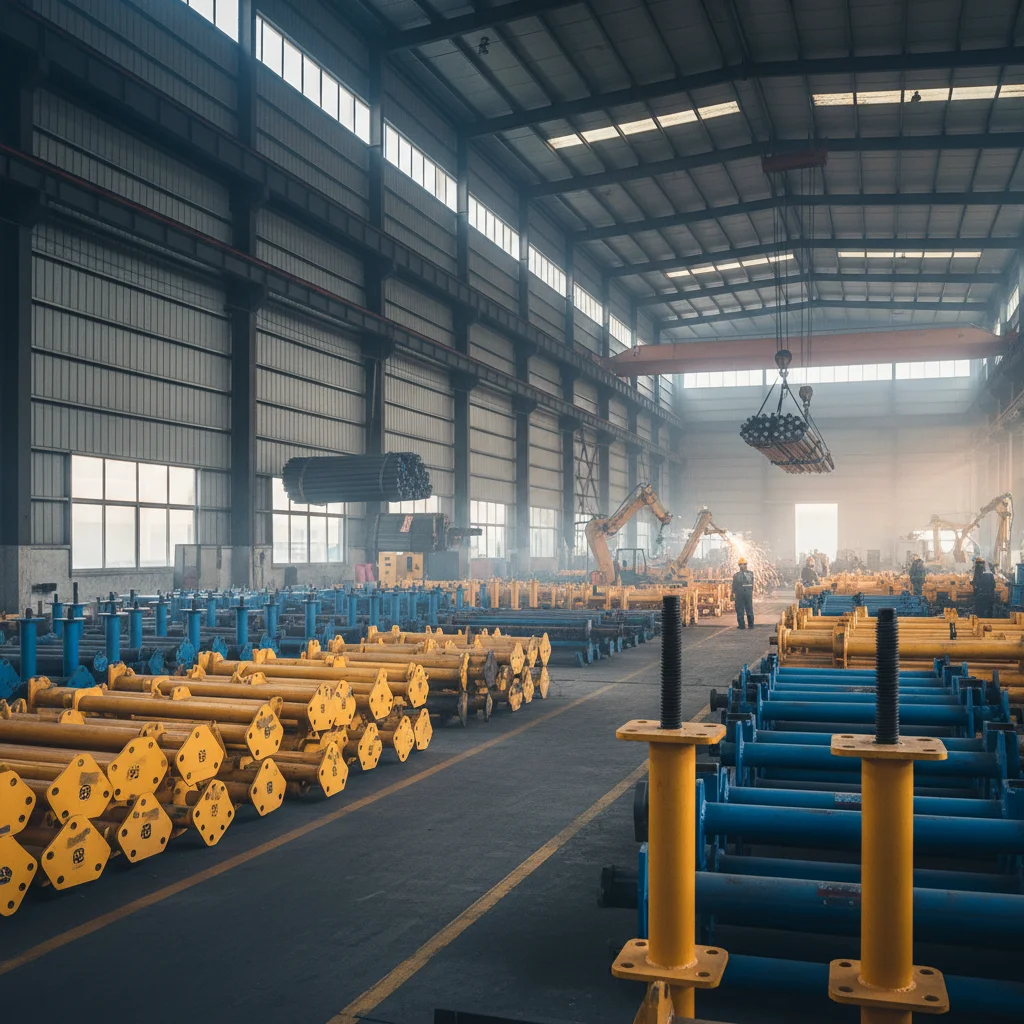
A shoring scaffolding prop Factory is a manufacturing facility specializing in the design, production, and distribution of adjustable and fixed props used to support structures during construction, renovation, or repair. These props, often made of steel or aluminum, are critical components of a shoring system, transferring loads safely to the ground. The scope of these factories can vary, ranging from specialized producers focusing solely on props to larger operations that manufacture a complete range of scaffolding and access solutions.
These factories often serve a diverse clientele, including construction companies, scaffolding rental businesses, and industrial maintenance providers. They must adhere to strict quality control standards and comply with relevant safety regulations to ensure the reliability and performance of their products. Modern shoring scaffolding prop Factories are increasingly incorporating advanced manufacturing techniques and materials to meet the evolving demands of the construction industry.
The connection to modern industry and humanitarian needs is direct. In developed nations, these factories support large-scale infrastructure projects. In disaster-stricken areas, readily available and dependable shoring props are essential for stabilizing damaged structures and enabling rescue operations.
Key Factors in shoring scaffolding prop Factory Excellence
Several key factors differentiate leading shoring scaffolding prop Factories. First and foremost is Durability: Props must withstand significant loads and harsh environmental conditions without deformation or failure. The quality of materials used, coupled with robust manufacturing processes, is crucial for ensuring longevity. Secondly, Load Capacity is paramount, with factories offering a wide range of props capable of supporting varying weights and structural requirements.
Safety Compliance is another non-negotiable aspect. Factories must adhere to international safety standards (such as OSHA, EN, and AS/NZS) and provide certifications for their products. This includes rigorous testing and quality control procedures throughout the manufacturing process. Further, Customization Capabilities are increasingly valuable, as projects often require props with specific dimensions or features. The ability to adapt to unique project needs is a significant differentiator.
Finally, Efficient Logistics & Supply Chain Management ensures timely delivery and responsiveness to customer demands. A well-managed supply chain minimizes lead times and ensures that props are available when and where they are needed. This is especially crucial for large-scale projects with tight deadlines.
Global Applications and Use Cases
Shoring scaffolding prop Factories supply equipment for a vast range of applications. In major cities like New York, London, and Tokyo, their products are integral to the construction of skyscrapers and infrastructure projects. In post-disaster relief operations, such as after earthquakes or hurricanes, these props provide critical support for stabilizing damaged buildings, allowing for rescue efforts and temporary shelter construction.
In remote industrial zones, such as oil and gas facilities in the Middle East or mining operations in Australia, shoring props are used for maintenance and repair work on complex structures. They are also crucial in bridge construction and repair, where temporary support systems are essential for ensuring structural integrity.
Furthermore, shoring scaffolding prop Factories are vital for the restoration of historical landmarks and buildings, enabling delicate structural interventions without compromising the original architecture. This demands precise manufacturing and often customized solutions.
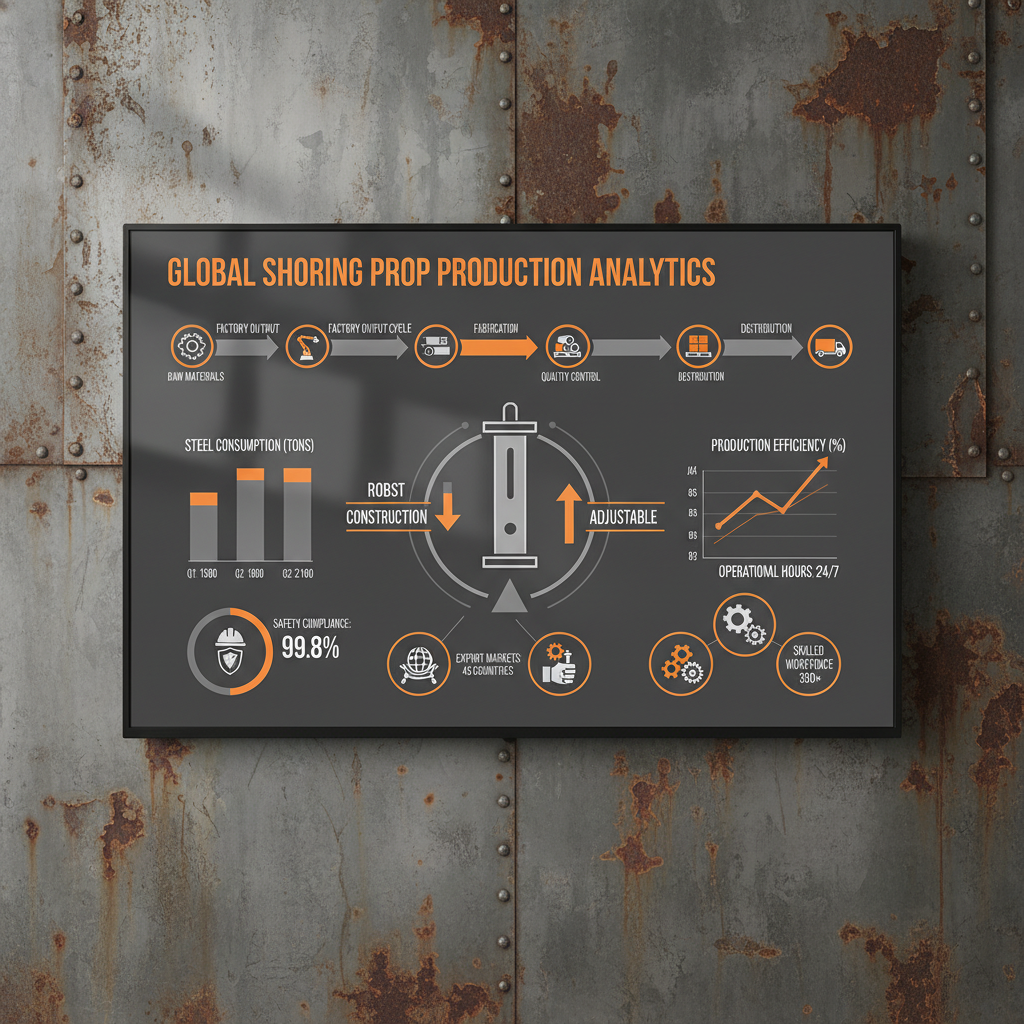
shoring scaffolding prop Factory Performance Metrics
Advantages and Long-Term Value
Investing in shoring scaffolding prop Factories translates to tangible benefits. Cost-efficiency is a primary driver; utilizing robust shoring systems reduces the risk of structural failures, minimizing expensive repairs and delays. Sustainability is also a growing advantage, with manufacturers increasingly employing eco-friendly materials and production processes.
From a social impact perspective, prioritizing safety through high-quality shoring props protects workers and the public. Reliability builds trust between construction companies and stakeholders, enhancing project reputations and fostering long-term partnerships. These benefits extend beyond immediate project gains, establishing a foundation for sustainable growth and responsible construction practices.
Future Trends and Innovations
The future of shoring scaffolding prop Factories is poised for significant innovation. The integration of digital technologies, such as Building Information Modeling (BIM), will allow for more precise design and optimization of shoring systems. Automation in manufacturing processes will increase efficiency and reduce production costs.
Further research into lightweight, high-strength materials, like advanced alloys and composite materials, will yield even more versatile and efficient props. A growing emphasis on circular economy principles will drive the development of recyclable and reusable shoring components.
Challenges and Solutions
Despite advancements, shoring scaffolding prop Factories face challenges. Maintaining consistent quality control across large-scale production runs can be difficult. Supply chain disruptions, as witnessed during recent global events, can impact material availability and lead times.
Solutions include investing in advanced quality control systems, diversifying sourcing strategies, and building stronger relationships with suppliers. Adopting predictive maintenance programs can also minimize downtime and ensure the longevity of manufacturing equipment.
Furthermore, embracing digital twin technology allows factories to simulate and optimize production processes, identifying potential bottlenecks and improving overall efficiency.
Summary of Key Challenges and Solutions for shoring scaffolding prop Factory
| Challenge |
Impact |
Proposed Solution |
Implementation Cost (1-10) |
| Quality Control Consistency |
Increased defect rates, potential safety hazards |
Implementation of automated inspection systems |
7 |
| Supply Chain Disruptions |
Material shortages, production delays |
Diversification of supplier network |
6 |
| Rising Material Costs |
Reduced profit margins, increased product prices |
Negotiating long-term contracts with suppliers |
5 |
| Skilled Labor Shortage |
Difficulty maintaining production capacity |
Investment in employee training programs |
8 |
| Increasing Regulatory Requirements |
Increased compliance costs, potential penalties |
Proactive monitoring of regulatory changes |
4 |
| Lack of Digital Integration |
Inefficient data management, limited process optimization |
Implementation of ERP and MES systems |
9 |
FAQS
When choosing a shoring scaffolding prop Factory, prioritize certifications like ISO 9001 (Quality Management System), OSHA compliance (Occupational Safety and Health Administration), and EN 12811-1 (European standard for self-supporting towers). These certifications demonstrate a commitment to quality control, safety standards, and regulatory compliance, ensuring you receive reliable and safe products.
Shoring scaffolding props should be inspected before each use, after any modification or repair, and at least every six months, even if not in use. Inspections should cover signs of damage, corrosion, deformation, and proper functioning of locking mechanisms. Thorough documentation of these inspections is crucial for maintaining safety and accountability.
Lead times for custom orders can vary significantly depending on the complexity of the design, the quantity required, and the factory's current workload. Typically, expect a lead time of 4-8 weeks for standard customizations and 8-12 weeks for more complex designs. Clear communication and early planning are essential to ensure timely delivery.
The most common materials used in shoring scaffolding props are steel (typically high-strength carbon steel) and aluminum alloys. Steel offers high load-bearing capacity and durability, while aluminum provides a lighter weight and corrosion resistance. The choice of material depends on the specific application and the desired performance characteristics.
Reputable shoring scaffolding prop Factories employ robust traceability systems, often utilizing serial numbers, batch codes, and material certifications. This allows for tracking the origin of materials, the manufacturing process, and the inspection history of each prop, ensuring accountability and facilitating recall procedures if necessary.
Warranty terms typically range from 12 to 24 months, covering defects in materials and workmanship. However, warranties often exclude damage caused by misuse, improper installation, or lack of maintenance. Carefully review the warranty terms and conditions before purchasing to understand your coverage.
Conclusion
In conclusion, shoring scaffolding prop Factories represent a cornerstone of modern construction, providing essential equipment that safeguards projects, workers, and the public. Their commitment to quality, safety, and innovation is paramount in meeting the ever-increasing demands of a rapidly evolving industry. Understanding the key factors that drive excellence in these factories – durability, load capacity, safety compliance, and efficient logistics – is critical for selecting reliable partners and ensuring project success.
Looking ahead, the future of shoring scaffolding prop Factories hinges on embracing digital technologies, sustainable practices, and a proactive approach to safety. By investing in research and development, fostering collaboration across the industry, and prioritizing continuous improvement, these factories will continue to play a vital role in building a safer, more resilient, and sustainable built environment. Visit our website to learn more about how we can help: sheenmetalscaffold.com