The global construction industry is currently undergoing a significant transition toward mechanical splicing systems to replace traditional lap splicing in reinforced concrete structures. As high-rise buildings and complex infrastructure projects demand higher structural integrity and tighter rebar congestion management, the role of a specialized steel pipe scaffolding fastener Factory and mechanical connector supplier has become critical for ensuring safety and efficiency.
Traditional lap splicing often leads to excessive steel waste and creates "congestion zones" where concrete cannot flow freely, increasing the risk of honeycombing and structural weak points. Modern mechanical couplers resolve these issues by providing end-to-end connections that maintain the continuous transfer of tensile and compressive forces, which is essential for bridge engineering and deep excavation projects.
This technical analysis examines the engineering shift toward mechanical splicing, the critical parameters that govern coupler performance, and how integrated solutions from providers like Cangzhou Sheen Metal Products Co., Ltd. help engineers optimize material consumption while adhering to international safety standards.


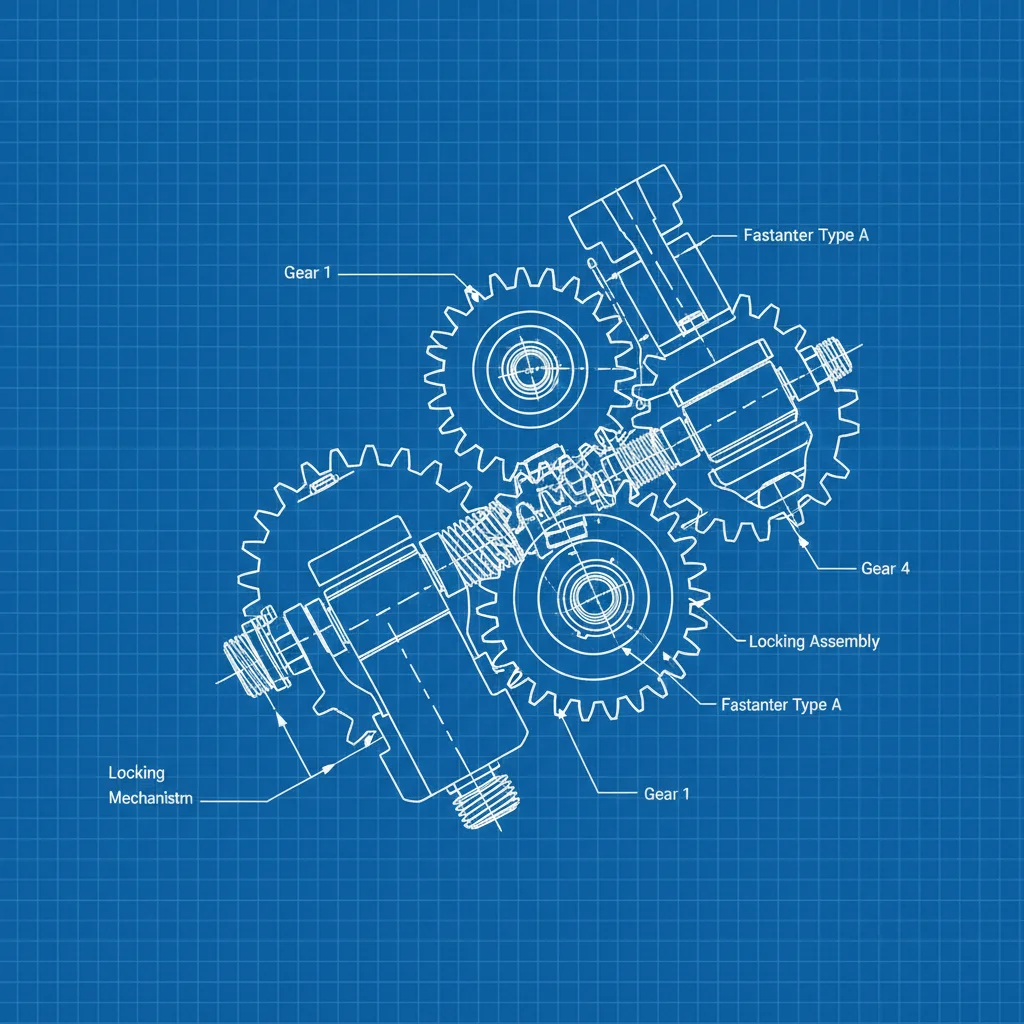
Mechanical splicing replaces the reliance on bond stress between overlapping bars and concrete with a direct mechanical interlock. Whether using threaded, compression, or wedge-type configurations, the goal is to create a joint that is as strong as the rebar itself.
This architecture is particularly vital in high-stress zones where seismic loads or extreme vertical pressures are present. By ensuring a uniform stress distribution across the joint, engineers can eliminate the variable stress zones typically found in lap-spliced sections.
The selection of a mechanical coupler depends heavily on material grade and diameter compatibility. High-strength carbon steel or alloy steel is standard, ensuring that the coupler does not become the weakest link in the structural chain. For most industrial applications, diameter ranges from 12mm to 50mm are required, with custom sizes available for specialized heavy-duty infrastructure.
Compliance with international standards such as ISO 15835, BS 8666, and ASTM A1034 is non-negotiable. These certifications guarantee that the load capacity equals or exceeds the rebar yield strength, providing a safety margin that is critical for municipal infrastructure and bridge engineering.
Surface treatments also play a decisive role in long-term durability. Galvanization, epoxy coating, or the use of stainless steel is necessary for projects exposed to marine environments or harsh chemical conditions, preventing corrosion from compromising the structural integrity of the spliced connection.
In heavily reinforced sections, such as column-beam joints in high-rise buildings, the sheer volume of steel can impede the flow of concrete. This creates voids or "honeycombing," which significantly reduces the compressive strength of the concrete and exposes the steel to premature oxidation.
Beyond structural safety, this reduction in material waste offers significant economic advantages. Reducing the overlap of hundreds of rebar connections across a large-scale project leads to a measurable decrease in overall steel consumption and project cost without sacrificing safety.
Evaluating the effectiveness of mechanical splicing involves analyzing several key metrics: installation speed, material efficiency, and structural reliability. When compared to traditional methods, mechanical couplers show a clear advantage in high-density reinforcement zones.
The following data represents a normalized engineering assessment of different splicing configurations across five key performance indicators. These ratings reflect the relative efficiency and safety of mechanical systems compared to baseline industry standards.
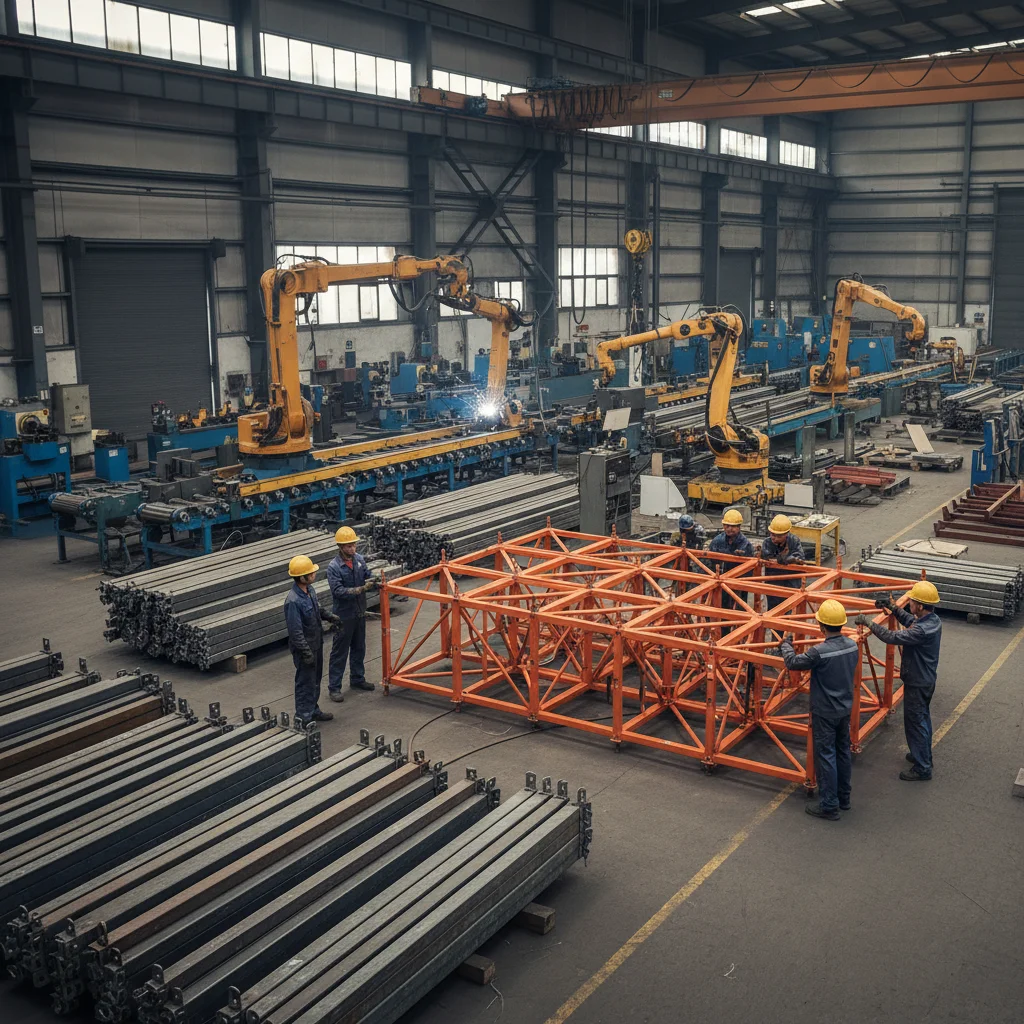
In precast concrete production, embedded couplers are used to leave precise connection points that can be joined on-site. This allows for the rapid assembly of bridge girders or modular wall panels, where the structural continuity between precast elements is maintained through high-torque threading or mechanical interlocking.
For cast-in-place projects, the integration of these fasteners occurs during the initial pouring phase. By coordinating the distribution of embedded components, site managers can accelerate construction schedules, as the transition between structural levels no longer requires the time-consuming process of tying long overlap sections of rebar.
The industry is moving toward "smart" installation monitoring, where torque control and alignment verification are digitally tracked. This ensures that every mechanical joint meets the required tension specifications, reducing the reliance on manual sampling and increasing the overall quality assurance of the structural frame.
Another emerging direction is the development of advanced corrosion-resistant alloys that eliminate the need for external coatings. These materials aim to extend the lifecycle of reinforced concrete in aggressive environments, such as underwater tunnels or chemical processing plants, by fundamentally altering the chemistry of the connector.
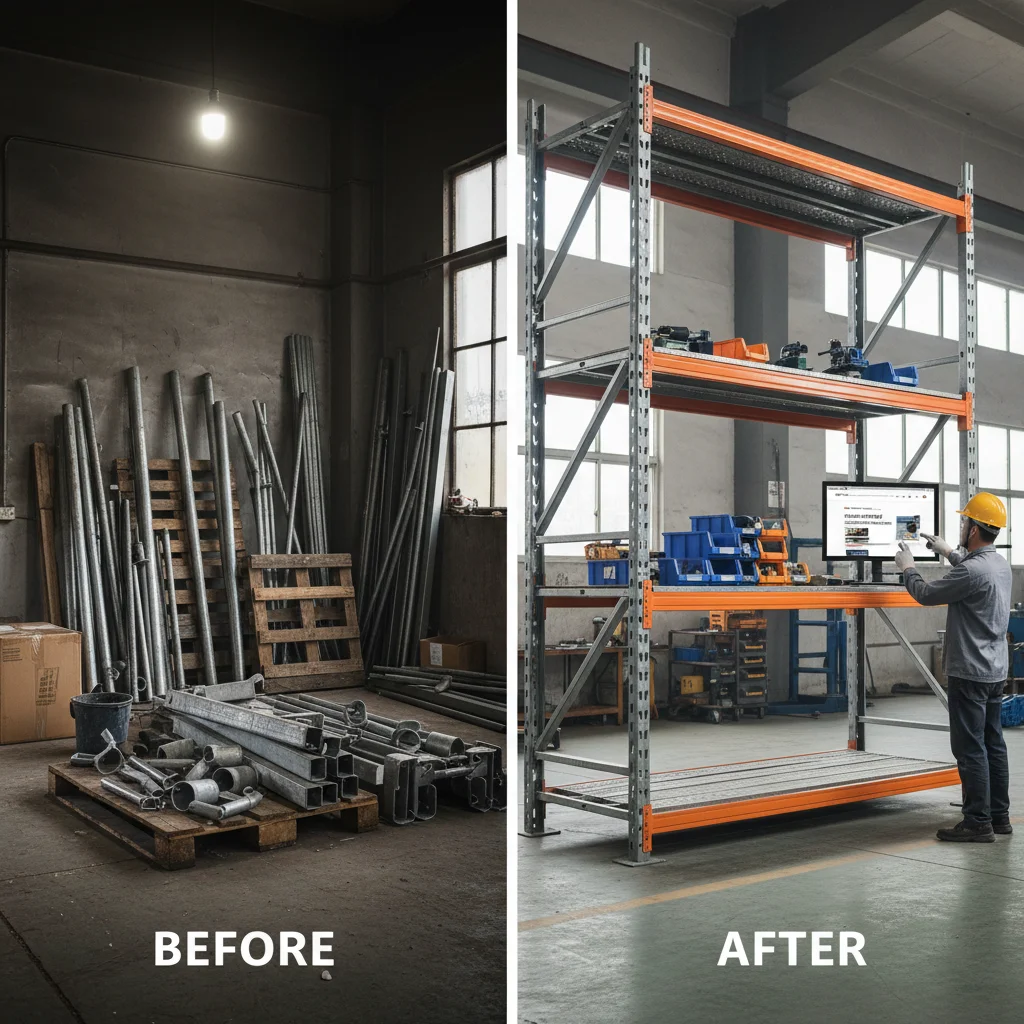
Furthermore, the integration of ERP-based intelligent management systems, as implemented by leading manufacturers, allows for real-time tracking of coupler inventory and size distribution. This synchronization ensures just-in-time delivery to construction sites, minimizing downtime and optimizing the logistics of large-scale engineering projects.
When deciding between splicing methods, engineers must weigh the trade-off between initial material cost and long-term structural value. While lap splicing is simpler for low-load residential projects, the technical advantages of mechanical systems are indispensable for industrial infrastructure.
The following matrix provides a comparative evaluation of different splicing configurations. Rather than specific models, these represent standard industry profiles that help procurement officers and site engineers select the appropriate technology based on project requirements.
Ultimately, the choice of a steel pipe scaffolding fastener Factory partner should depend on their ability to provide certified, precision-engineered components that meet both the technical specs and the environmental constraints of the site.
| Configuration Type | Stress Distribution | Material Efficiency | Recommended Use Case |
|---|---|---|---|
| Traditional Lap Splicing | Variable / Non-uniform | Low (High Overlap) | Light Residential |
| Standard Threaded Coupler | Uniform / Linear | High (End-to-End) | Commercial High-rise |
| High-Duty Wedge Type | High Compression | High (End-to-End) | Bridge Infrastructure |
| Precision Compression | Consistent Tension | High (End-to-End) | Precast Elements |
| Embedded Casting Coupler | Optimized for Pour | Very High | Modular Construction |
| Industry Baseline (Hybrid) | Moderate | Moderate | General Municipal |
Unlike lap splicing, which relies on the bond between two overlapping bars and the surrounding concrete to transfer loads, mechanical couplers create a direct physical connection. By joining rebars end-to-end, they eliminate the need for overlap, which prevents steel congestion in dense structural sections and reduces overall material waste. This results in a more predictable and uniform stress distribution across the joint.
Reliability is ensured through adherence to global standards such as ISO 15835, BS 8666, and ASTM A1034. These standards dictate the tensile and compressive testing protocols required to verify that the splice is as strong as the rebar itself. Certification through these frameworks ensures that the couplers can withstand the design loads of the building without failure.
Yes, provided the correct surface treatment is selected. For aggressive environments like coastal areas or chemical plants, galvanized coatings, epoxy-coated finishes, or full stainless steel construction are used. These treatments prevent the infiltration of moisture and chlorides, ensuring that the mechanical connection does not degrade over the project's lifecycle.
Standard mechanical couplers are generally available for rebar diameters ranging from 12mm to 50mm. However, for extreme infrastructure projects, custom sizes can be engineered to meet specific load requirements. It is critical to match the coupler diameter exactly to the rebar grade and size to ensure the mechanical interlock functions as designed.
Embedded couplers are cast into the precast element during the manufacturing process, leaving a threaded or open end exposed. Once the precast component is delivered to the site and positioned, the connecting rebar is inserted and tightened. This allows for seamless structural continuity between separate precast units, enabling the fast assembly of complex bridge decks or building frames.
Verification is typically conducted through destructive tensile testing on a representative sample of the batch. The coupler is pulled until failure; if the rebar breaks before the coupler fails or slips, the connection is considered successful. Additionally, torque wrenches are used during installation to ensure that every joint is tightened to the manufacturer's specified value.
The transition from lap splicing to mechanical systems represents a critical evolution in reinforced concrete construction. By prioritizing stress uniformity and reducing material congestion, these systems directly enhance the longevity and safety of modern infrastructure. The evidence shows that while the initial component cost may be higher, the reduction in steel waste and the acceleration of construction schedules provide a superior return on investment.
For procurement and engineering teams, the focus must remain on certification and material compatibility. Partnering with a verified steel pipe scaffolding fastener Factory ensures that every connection in the structural grid is a point of strength rather than a potential failure, ultimately building a safer and more sustainable future for global engineering.