
June 11, 2026
Choosing the Right Scaffolding Tripod Factory for Your Project
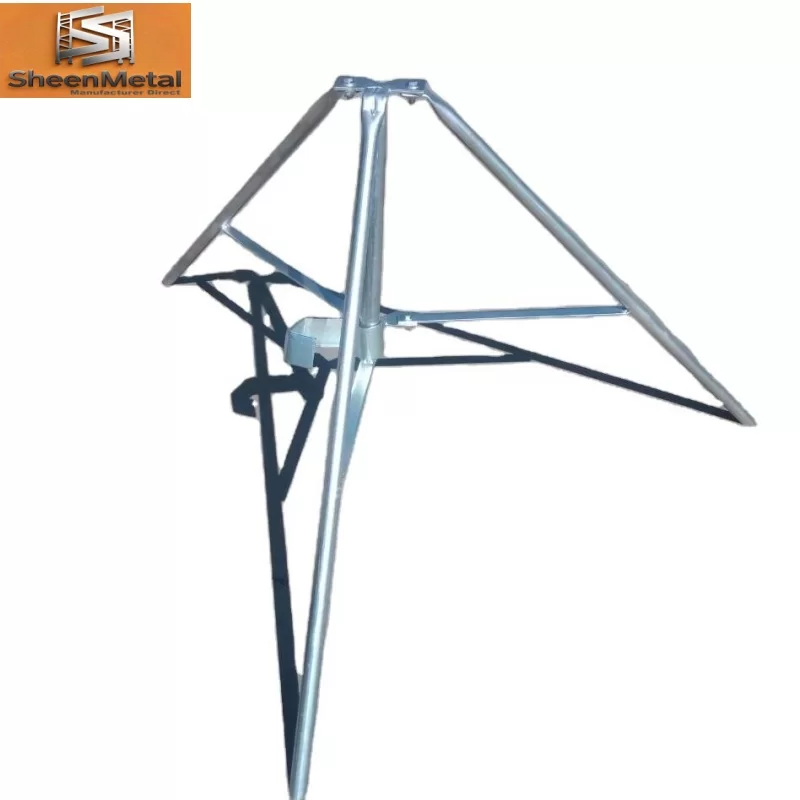
When it comes to high-altitude construction and industrial maintenance, stability is not just a preference—it is a safety requirement. Partnering with a professional scaffolding tripod Factory ensures that your equipment is engineered to withstand rigorous loads while providing maximum agility on-site. A high-quality tripod system allows workers to reach awkward spaces with confidence, reducing the risk of accidents and improving overall productivity. In this guide, we will explore the technical advantages of choosing a factory-direct source and what to look for in a premium scaffolding tripod system to ensure your project meets all safety regulations.

The Role of a Professional Scaffolding Tripod Factory in Safety
A specialized scaffolding tripod Factory does more than just bend metal; they implement rigorous quality control processes that a general trader cannot provide. From the selection of high-grade galvanized steel to the precision of the welding joints, every detail is calculated to prevent structural failure. Factory-direct production allows for strict adherence to international safety standards (such as EN or ANSI), ensuring that the load-bearing capacity is verified through stress testing. By eliminating the middleman, you receive equipment that is tailored to specific industrial needs, whether it be for electrical work, ceiling installation, or heavy-duty construction.
Industry Insight: Precision engineering at the factory level reduces the "sway" factor in tripods, which is the primary cause of worker instability during high-reach tasks.
Engineering Excellence: Scaffolding Tripod Factory Standards
The quality of a tripod depends heavily on the materials used. Most leading factories utilize hot-dip galvanized steel to prevent corrosion, which is essential for outdoor environments. Furthermore, the integration of adjustable legs allows the system to remain level on uneven terrain. When you source from a reputable scaffolding tripod Factory, you gain access to innovative designs such as quick-lock mechanisms and reinforced head-plates that simplify the assembly process. This focus on ergonomics not only saves time but also reduces worker fatigue during setup.
Comparing Factory-Direct Tripods vs. Generic Alternatives
Many contractors make the mistake of buying generic scaffolding components. However, the difference in durability and safety is stark. Equipment from a certified scaffolding tripod Factory undergoes destructive testing to find the actual breaking point, whereas generic brands often rely on theoretical calculations. Below is a detailed comparison showing why professional factory sourcing is the superior choice for long-term investment.
Customization Options from a Scaffolding Tripod Factory
One of the biggest advantages of working with a scaffolding tripod Factory is the ability to customize the equipment to fit the specific constraints of your site. Whether you need a specific height range to clear industrial machinery or specialized head attachments for different lifting tools, the factory can adjust the blueprints before production. Customization ensures that you aren't forcing a "one-size-fits-all" solution into a complex environment, which is often where safety lapses occur. Tailored solutions improve the speed of installation and the overall stability of the workspace.

Technical Specifications for Heavy-Duty Tripods
To understand the quality of a product from a scaffolding tripod Factory, one must look at the technical data. The load capacity, wall thickness of the tubes, and the grade of the locking pins determine the safety factor of the equipment. Below is a typical specification table for industrial-grade tripods produced under strict quality management systems.
Conclusion: Optimizing Performance with a Trusted Factory
Choosing a reputable scaffolding tripod Factory is the most effective way to balance cost and safety. By sourcing directly, you ensure that every piece of equipment is built to a strict standard, customized to your specific needs, and durable enough to last for years of heavy use. Investing in high-quality tripod systems not only protects your workers but also streamlines your project timeline by reducing equipment failures. When safety is the priority, factory-certified equipment is the only logical choice.
Frequently Asked Questions (FAQs)
How do I verify the quality of a scaffolding tripod factory?
To verify a factory, first request their quality certifications such as ISO 9001 or specific regional safety standards (EN, ANSI). A professional factory will be transparent about their testing process, including load-bearing tests and material analysis reports. You should also ask for case studies or references from previous industrial clients. Visiting the facility or requesting a detailed production video can also reveal whether they use automated precision welding or manual, inconsistent methods. Always ensure the factory provides a warranty for structural integrity.
Can a factory produce tripods for specialized hazardous environments?
Yes, a specialized scaffolding tripod Factory can adapt materials for hazardous environments. For example, in highly corrosive chemical plants, they may use stainless steel or specialized epoxy coatings instead of standard galvanization. For explosive environments (ATEX zones), they can ensure the equipment is designed to minimize spark risks. Customization of the base plates to prevent slipping on oily surfaces is also a common factory modification for industrial plants.
What is the average lead time when ordering from a tripod factory?
Lead times vary based on the order volume and the level of customization. For standard models, many factories maintain a stock that can be shipped within 7-14 days. For fully customized orders, the process typically involves a design phase, material sourcing, and production, which can take 3-6 weeks. However, ordering directly from the factory allows you to track the production stages and make adjustments in real-time, which is often faster than dealing with a distributor who must coordinate between the client and the manufacturer.
Is hot-dip galvanizing better than powder coating for tripods?
For industrial scaffolding, hot-dip galvanizing is vastly superior. Powder coating is essentially a surface paint that can chip or scratch; once the seal is broken, the steel underneath begins to rust. Hot-dip galvanizing involves submerging the steel in molten zinc, creating a metallurgical bond that protects the metal from the inside out. This is crucial for equipment that is frequently moved, bumped, and exposed to rain or humidity. A professional factory will almost always recommend galvanization for any equipment intended for long-term field use.