
April 9, 2026
Choosing the Right formwork nut Factory for Your Construction Needs
In the demanding world of modern construction, the integrity of your structural supports depends on the smallest components. A high-quality formwork nut Factory provides the essential fasteners that ensure concrete molds remain secure under immense pressure. Whether you are managing a high-rise project or a residential build, the precision of these nuts prevents blowouts and ensures a smooth architectural finish. Selecting a professional manufacturer isn't just about price; it is about sourcing components that meet international safety standards and offer long-term durability in harsh environments. In this guide, we will explore what makes a factory superior and how to optimize your procurement process.
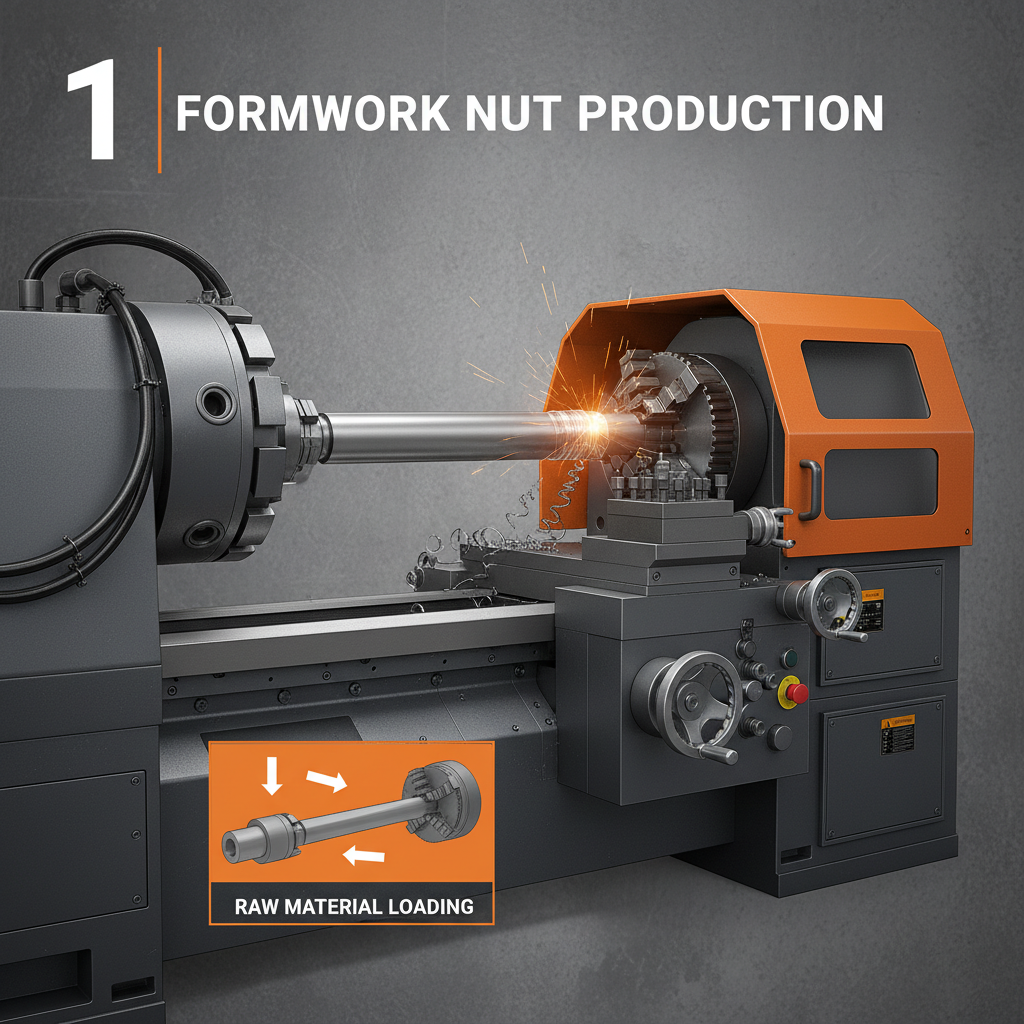
The Role of a Professional formwork nut Factory in Structural Safety
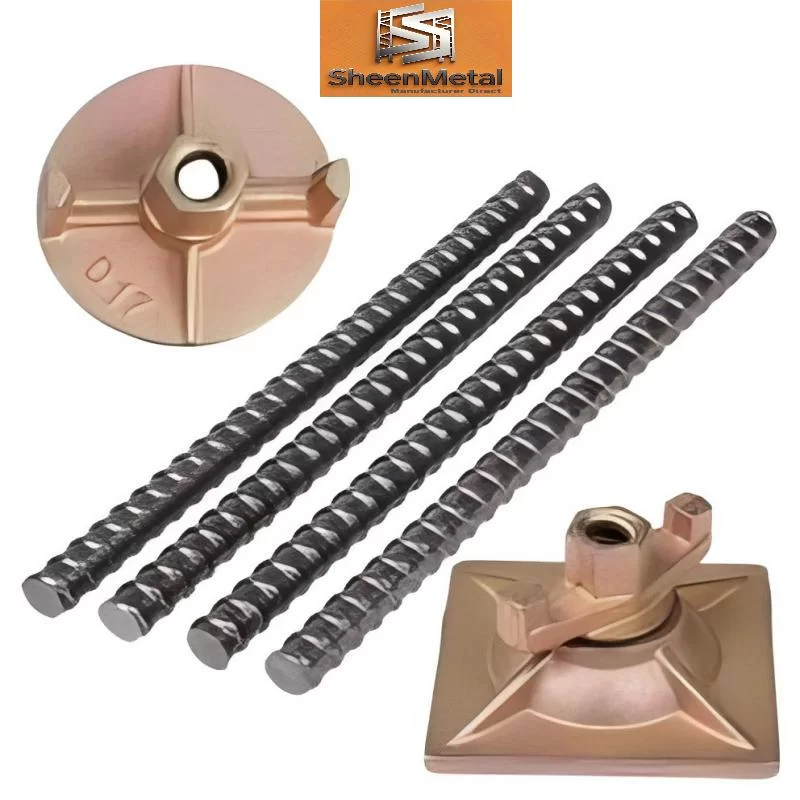
A specialized formwork nut Factory does more than just forge metal; it engineers stability. Formwork nuts are designed to lock tie rods in place, maintaining the precise distance between panels during the concrete pouring process. If a nut fails due to poor threading or inferior material, the resulting shift can lead to catastrophic structural failure or costly rework. Top-tier factories utilize high-grade carbon steel or alloy steel and implement rigorous heat treatment processes to ensure that every piece can withstand extreme tension and compression without stripping or cracking.
Industry Insight: Precision threading is the most critical quality metric. A deviation of even 0.1mm in the thread pitch can significantly increase the time required for assembly and disassembly on-site, impacting overall project timelines.
Manufacturing Standards at a Leading formwork nut Factory
Quality begins with the raw material and ends with a strict inspection protocol. A reputable formwork nut Factory employs automated cold-forging and CNC machining to maintain consistency across millions of units. To prevent corrosion, especially in humid or coastal construction sites, these factories offer various coatings such as zinc plating, hot-dip galvanizing, or specialized powder coatings. These finishes ensure that the nuts do not rust, allowing them to be reused across multiple project cycles, which significantly reduces the total cost of ownership for the contractor.
Comparing Industrial vs. Standard Formwork Nuts
Not all nuts are created equal. When sourcing from a formwork nut Factory, it is essential to distinguish between standard-grade and industrial-grade components. Standard nuts may suffice for light residential work, but industrial-grade nuts are engineered for heavy-duty load-bearing walls and bridge supports. The difference lies in the tensile strength and the anti-corrosion layer. Using the wrong grade can lead to "slippage," where the nut fails to hold the tie rod firmly, potentially causing a concrete leak or wall bulge.
Technical Specifications and Sizing Options
When ordering from a formwork nut Factory, technical specifications are the language of quality. Most projects require specific diameters to match the tie rods (e.g., 12mm, 15mm, or 17mm). The "wing nut" design is particularly popular because it allows workers to tighten the component manually before applying a wrench, significantly speeding up the installation process. Below is a typical specification table for industrial-grade formwork nuts produced by leading manufacturers.
How to Audit a formwork nut Factory for Global Exports
For procurement managers importing components, auditing the formwork nut Factory is vital to avoid delays. First, check for ISO 9001 certification, which guarantees a standardized quality management system. Second, verify the factory's testing capabilities; do they have an in-house tensile strength tester? A factory that can provide Material Test Reports (MTRs) for every batch is far more reliable than one that only offers general promises. Finally, assess their production capacity to ensure they can scale with your project's timeline without compromising quality.
Audit Checklist for Buyers:
• Verification of raw material sourcing (Mill certificates)
• Review of thread gauging and tolerance checks
• Testing of coating thickness (Micrometer tests)
• Packaging standards to prevent transit damage
Sustainability and Cost-Efficiency in Formwork Accessories
Modern construction is shifting toward sustainable practices. A forward-thinking formwork nut Factory now focuses on circular economy principles. By producing nuts with superior durability and corrosion resistance, factories enable contractors to reuse components across dozens of projects rather than treating them as consumables. This not only reduces the environmental footprint of the construction site by decreasing steel waste but also slashes the procurement budget over the long term. Investing in premium components today means spending less on replacements tomorrow.
Conclusion: Secure Your Foundation with the Best Components
Selecting a reliable formwork nut Factory is a strategic decision that impacts both the safety and the profitability of your construction project. From the precision of the threads to the resilience of the galvanization, every detail matters. By partnering with a manufacturer that prioritizes international standards and technological innovation, you ensure that your formwork remains stable, your workers stay safe, and your projects are completed on schedule. Don't let a small nut cause a big problem—choose quality and precision every time.
Frequently Asked Questions (FAQs)
How do I know if a formwork nut is made of high-quality steel?
The easiest way to verify quality is to request a Mill Test Certificate (MTC) from the formwork nut Factory. This document details the chemical composition and physical properties of the steel used. Additionally, a quality nut should have a clean, burr-free thread and a consistent coating thickness. If the nut strips easily during a trial tightening or shows signs of rust immediately after exposure to moisture, it is likely made of inferior mild steel without proper treatment.
What is the difference between zinc plating and hot-dip galvanizing for formwork nuts?
Zinc plating (electro-galvanizing) provides a thin, smooth layer of protection that is excellent for indoor use or short-term projects. Hot-dip galvanizing, however, involves dipping the nut into molten zinc, creating a much thicker and more durable protective layer. For construction sites exposed to rain, salt, or concrete chemicals, hot-dip galvanizing is highly recommended as it prevents corrosion for a significantly longer period, extending the life of the hardware produced by the factory.
Can I customize the size of the nuts if I have a unique tie rod system?
Yes, most professional formwork nut factories offer OEM and customization services. By providing a technical drawing or a physical sample, you can request specific thread pitches, diameters, and head designs. Customization is common for specialized infrastructure projects like dams or nuclear power plants where standard M12 or M16 sizes are insufficient for the load requirements. Always ensure that custom designs are stress-tested before full-scale deployment.
How often should formwork nuts be replaced?
While industrial-grade nuts are designed for reuse, they should be inspected before every new project cycle. Replacement is necessary if the threads are worn down, the nut is deformed from over-tightening, or the anti-corrosion coating has peeled away, exposing the base metal to rust. Using a worn nut can lead to a failure in the formwork system, which is a significant safety risk. Regular maintenance and cleaning of the nuts after each pour can significantly extend their usable lifespan.