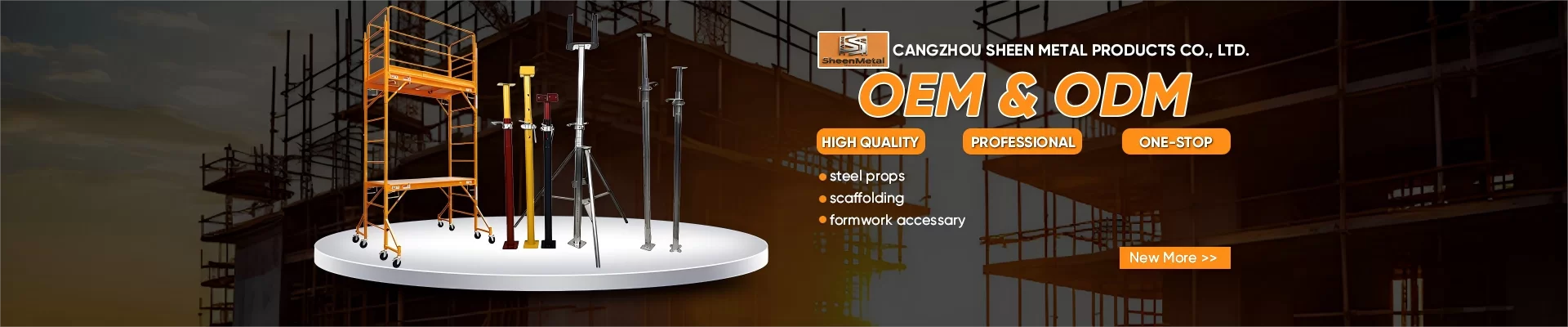
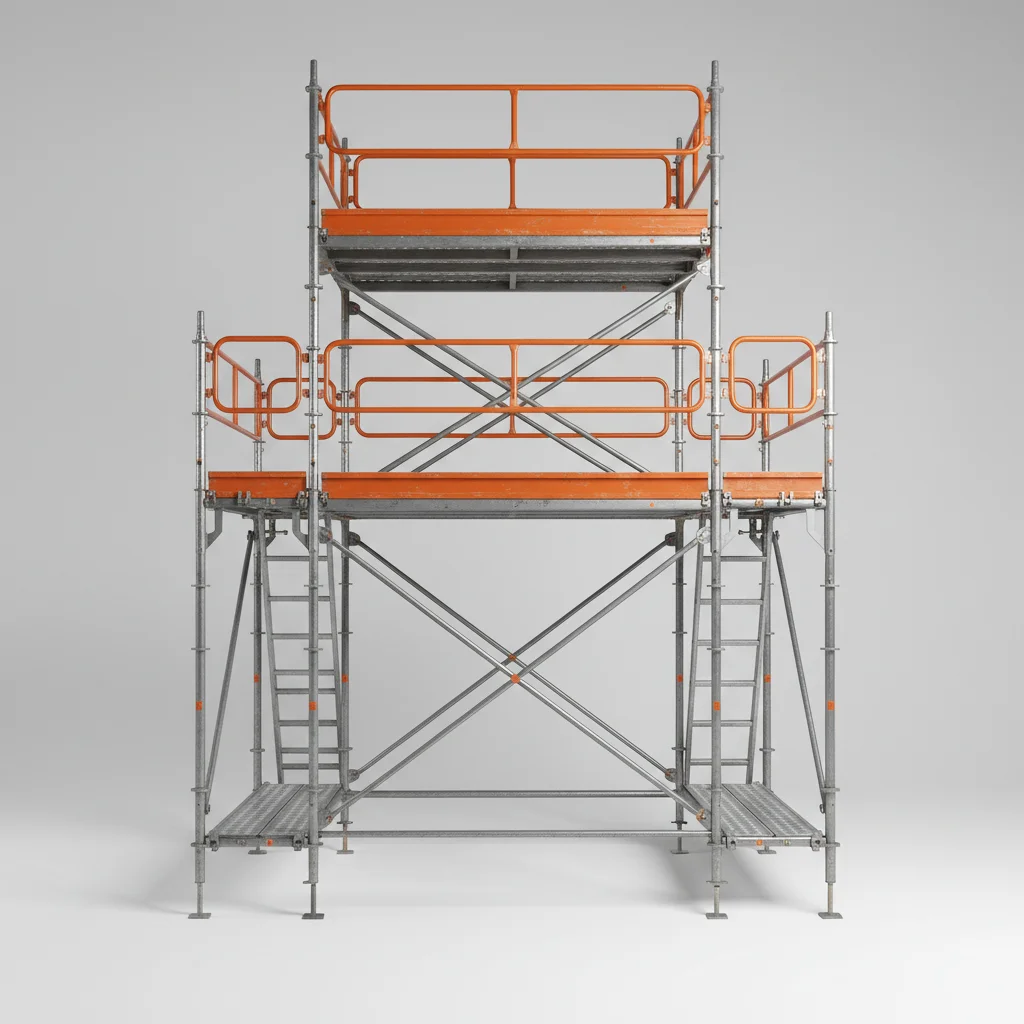
In the high-stakes world of modern construction, the stability of shoring systems is non-negotiable. Achieving precise vertical alignment for steel props is a primary challenge that can either ensure the structural integrity of a pour or lead to catastrophic failure. Finding a reliable scaffolding lock pin Supplier who understands the intricacies of lateral stabilization is the first step toward mitigating these risks on the job site.
The industry is currently seeing a shift toward specialized stabilization accessories, such as the Steel Prop Tripod, which are engineered to prevent tipping during high-pressure concrete pouring. These tools bridge the gap between standard prop installation and the rigorous safety demands of complex slab and beam formwork, providing a critical safety barrier that protects both the structure and the workforce.
For contractors managing large-scale projects, partnering with a professional scaffolding lock pin Supplier ensures that every component—from the main props to the stabilizing tripods—meets strict industrial standards. By prioritizing high-grade Q235 carbon steel and advanced corrosion-resistant finishes, builders can achieve high-precision verticality while reducing labor hours and shipping costs.

Global Relevance of Stability Components
Across the global construction landscape, the demand for precision shoring is driven by the increasing complexity of urban infrastructure. According to international safety standards, lateral instability remains one of the leading causes of formwork collapse. This has placed a spotlight on the role of the scaffolding lock pin Supplier in providing not just the pins, but the comprehensive stabilization accessories required to maintain verticality under extreme loads.
In regions experiencing rapid urbanization, the pressure to accelerate concrete pouring schedules often conflicts with safety protocols. The introduction of specialized steel prop tripods addresses this tension, allowing for rapid deployment without compromising the structural integrity of the beam or slab. These components ensure that the vertical load-bearing props remain steady, significantly reducing the risk of site accidents.
Defining the Steel Prop Stabilization System
A steel prop stabilization system, specifically the Steel Prop Tripod, is a high-performance accessory designed to maintain a precise vertical alignment for shoring props. Unlike the prop itself, which carries the vertical load of the slab, the tripod serves as a lateral safety barrier. It prevents the prop from tipping or shifting during the critical stages of concrete pouring, where high pressures can displace unstable supports.
In simple terms, these accessories act as a "steady hand" for the shoring system. By utilizing a three-legged geometry, they distribute lateral forces evenly, ensuring that the prop remains perfectly vertical even when the ground is slightly uneven. This is an essential requirement for modern engineering where tolerances for deviation are minimal.
From a humanitarian and safety perspective, these tools remove the reliance on manual balancing by multiple workers. By enabling a single operator to secure a prop quickly and accurately, the stabilization system reduces the time laborers spend in high-risk zones beneath unsupported formwork, thereby elevating the overall safety standard of the job site.
Core Components of High-Performance Tripods
The effectiveness of a stabilization system depends heavily on the materials used. A professional scaffolding lock pin Supplier will prioritize high-strength Q235 carbon steel, which provides the necessary rigidity to resist deformation. This material choice ensures that the tripod can withstand the harsh environment of a construction site, from moisture to physical impacts.
Surface treatment is another critical factor for durability. To prevent rust and wear, these components are typically treated with galvanized finishes, powder coating, or industrial paint. This ensures that the equipment remains operational over multiple projects, providing a high return on investment for the contractor while maintaining the safety standards expected from a top-tier scaffolding lock pin Supplier.
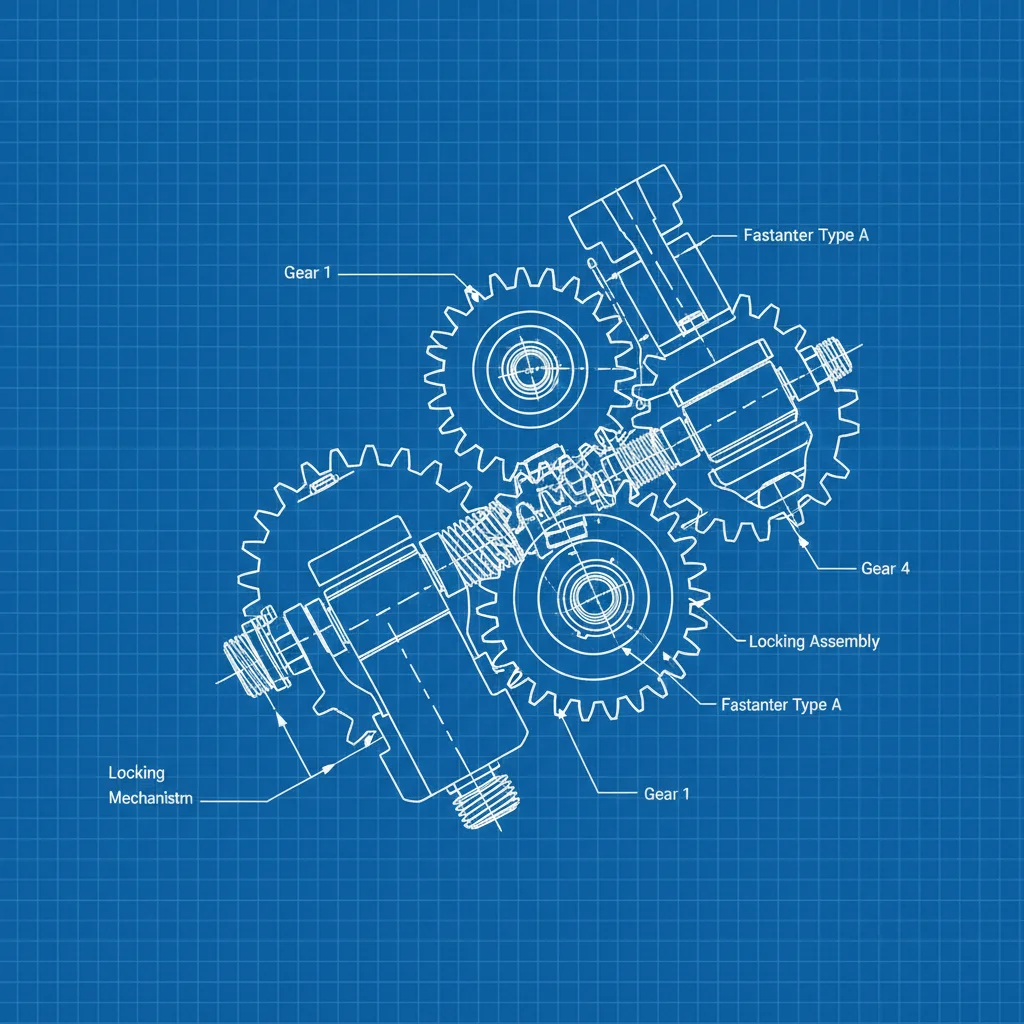
Finally, the design architecture—specifically the foldable, three-legged structure—optimizes both deployment and logistics. The use of a simple locking mechanism allows for rapid installation, while the compact foldable nature reduces warehouse storage requirements and shipping costs, making it a logically sound choice for large-scale industrial applications.
Global Applications in Modern Formwork
Steel prop tripods are utilized globally in a variety of high-pressure construction environments. In large-scale infrastructure projects, such as highway overpasses and bridge decks, these supports are indispensable for maintaining the precise geometry of beam formwork. By distributing lateral loads, they ensure that the concrete is cast exactly to the engineering specifications.
In remote industrial zones or post-disaster reconstruction, where ground conditions are often unpredictable and compacted, the three-legged design is particularly valuable. It allows the shoring system to remain stable on uneven terrain, reducing the need for extensive ground leveling and allowing projects to move forward more efficiently.
Stabilization Performance by Component Type
Long-Term Value and Safety Advantages
The long-term value of integrating stabilization tripods extends beyond mere safety; it is an investment in operational efficiency. By reducing the labor hours required for vertical alignment, contractors can significantly lower their overhead costs. The ability for a single operator to deploy the system quickly means that the timeline from prop installation to concrete pouring is shortened, accelerating the overall project cycle.
Moreover, the psychological impact on the workforce cannot be overstated. When laborers know that the shoring system is secured by high-precision tools from a trusted scaffolding lock pin Supplier, it creates a culture of trust and professional dignity. The reduction in tipping risks leads to a safer work environment, which in turn lowers insurance premiums and reduces the likelihood of costly project delays due to accidents.
Future Trends in Shoring Accessories
As the construction industry moves toward "Green Building" and sustainable practices, the demand for reusable, long-life shoring accessories is increasing. Future innovations are likely to focus on even lighter yet stronger alloys that maintain the structural integrity of Q235 steel while reducing the carbon footprint associated with transport and logistics.
Digital transformation is also beginning to touch the realm of shoring. We anticipate the integration of smart sensors within stabilization tripods that can alert site managers in real-time if a prop begins to shift or tilt. This shift toward "intelligent shoring" will further minimize human error and maximize site safety.
Furthermore, the move toward modularity will see stabilization components becoming more universal. The goal is to create accessories that are compatible across a wider range of global prop standards, allowing companies to source from a single scaffolding lock pin Supplier regardless of the specific brand of props used on a particular site.
Challenges and Solutions in Prop Alignment
One of the primary challenges in prop alignment is the variability of the ground surface. Flat bases often fail on uneven terrain, leading to an unstable center of gravity for the prop. The solution lies in the three-legged geometry of the tripod, which inherently distributes lateral loads more effectively, ensuring balance even on compacted or rocky soil.
Another common limitation is the time required for manual balancing. Traditionally, multiple workers had to hold a prop in place while another secured it. This is solved by the rapid locking mechanism of modern tripods, which enables a "single-operator" setup, drastically reducing labor costs and exposure to risk.
Lastly, corrosion remains a constant threat in outdoor environments. The solution provided by leading manufacturers is the implementation of advanced hot-dip galvanization and powder coating. This minimizes the need for frequent maintenance or repainting, ensuring that the tool remains a reliable asset over several years of heavy use.
Comparison of Shoring Stability Performance Metrics
| Metric |
Without Tripod |
With Steel Prop Tripod |
Impact Score |
| Tipping Risk |
High |
Low |
9/10 |
| Setup Time |
Slow (Manual) |
Fast (Quick Lock) |
8/10 |
| Labor Need |
Multiple Workers |
Single Operator |
10/10 |
| Alignment Accuracy |
Variable |
High Precision |
9/10 |
| Durability |
Standard |
Enhanced (Galvanized) |
7/10 |
| Storage Space |
Standard |
Optimized (Foldable) |
8/10 |
FAQS
The primary function of a steel prop tripod is to provide critical lateral stabilization for steel props during the installation and pouring process. It prevents the props from tipping or shifting before the formwork system is fully secured, ensuring that the prop remains in a precise vertical alignment to safely support the weight of the slab.
No, the tripod is strictly a stabilizing aid. The primary vertical load is carried by the steel prop itself. The tripod's role is to ensure that the prop stays perfectly vertical and steady, preventing any lateral movement that could lead to a structural collapse.
To ensure durability in harsh outdoor construction environments, we offer several surface treatments, including industrial painting, powder coating, and hot-dip galvanization. These finishes protect the Q235 carbon steel from rust and wear, extending the lifespan of the product across multiple projects.
Our tripods are designed to be compatible with most standard steel props used in slab and beam formwork. However, because different manufacturers may have slight variations in prop diameter, we always recommend verifying your prop's specific dimensions to ensure a perfect, secure fit.
The foldable design allows for highly compact storage and easier transport across busy construction sites. This reduces the physical footprint of the equipment in the warehouse and on-site, which lowers overall logistics costs and simplifies inventory tracking for the project manager.
Yes, the three-legged geometry is specifically engineered to distribute lateral loads and maintain balance more effectively than flat bases. This makes it an ideal solution for sites where the ground is uneven, as it prevents the prop from shifting due to surface instability.
Conclusion
In conclusion, the integration of high-performance stabilization tools, such as the Steel Prop Tripod, is essential for any construction project prioritizing safety and precision. By addressing the critical need for lateral stability through the use of Q235 carbon steel and intelligent foldable designs, contractors can significantly reduce the risk of prop collapse while optimizing labor efficiency. Partnering with a professional scaffolding lock pin Supplier ensures that these critical safety barriers are manufactured to the highest industrial standards, providing long-term reliability and peace of mind.
Looking forward, the industry's move toward smarter, more sustainable shoring solutions will only increase the importance of precision accessories. Investing in quality stabilization equipment today not only safeguards the current project but also builds a foundation for more efficient, safer, and more cost-effective building practices in the future. To ensure your project meets the highest standards of stability and safety, we invite you to explore our full range of shoring solutions. Visit our website: www.sheenmetalscaffold.com